
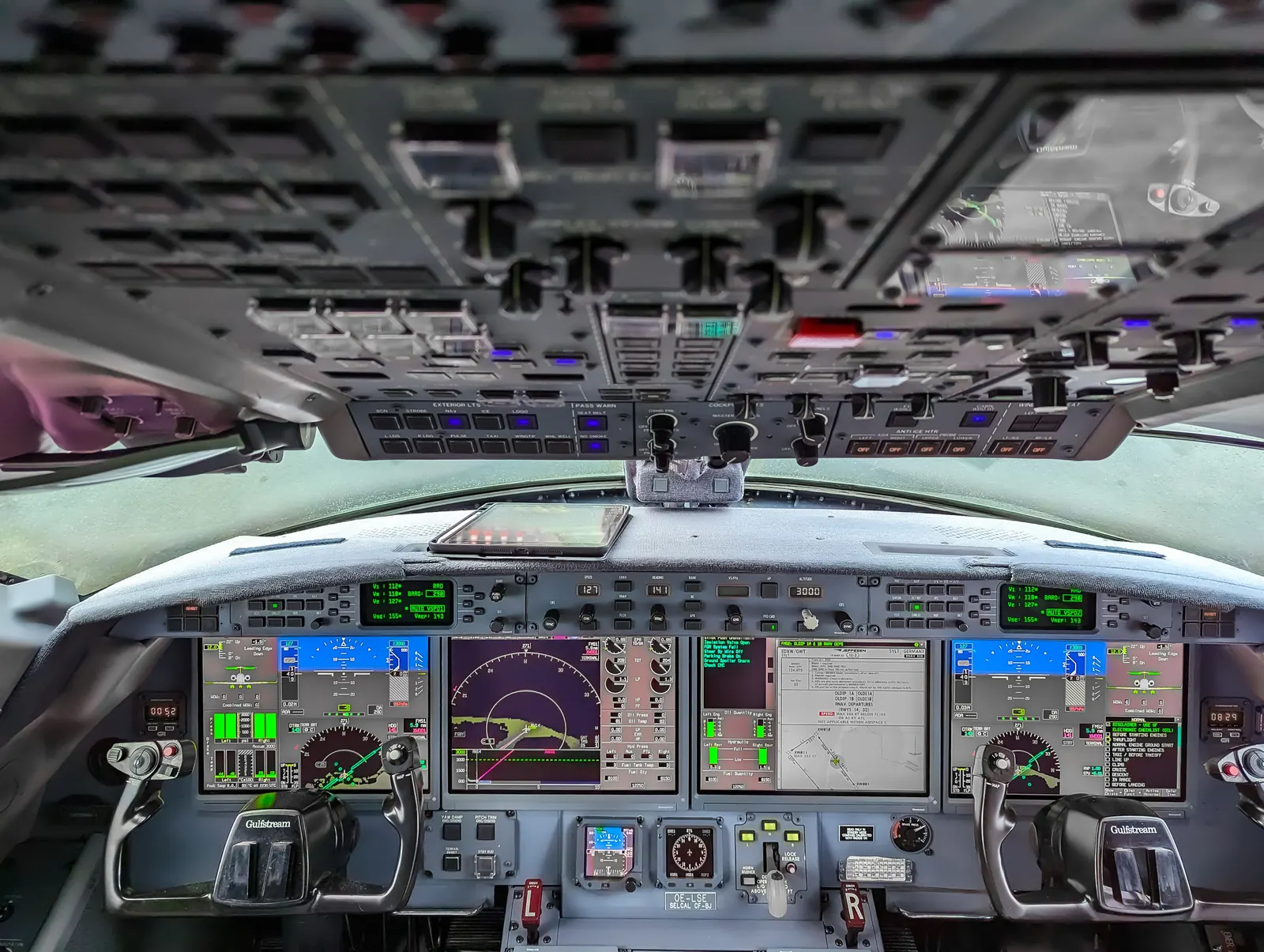
Flight deck
Clear glass, legible placards,and every switch where the crew left it.
The cockpit is a workplace before it is a showpiece. We clean it with non-solvent product, a light hand, and the crew's agreement on what may be touched.
- A short task, usually completed alongside a cabin detail or within a turnaround.
- At your FBO or hangar
- Confidential by default
What is cockpit and placard care?
Cockpit and placard care is the cosmetic cleaning of an aircraft's flight deck: displays, instrument panels, placards, yokes or sidesticks, crew seats and side windows. Noctavius Aviation uses non-solvent, acrylic-safe products, applies them to the cloth rather than the panel, and leaves every switch and control exactly as the crew set it.
Overview
Cockpit and placard caredone properly.
Flight decks collect fingerprints, skin oils, dust and the film from coffee and hand cream faster than any other part of the aircraft. Cleaning them looks simple, but the surfaces are among the most sensitive in the airframe. Displays carry anti-glare coatings. Placards are printed or engraved and must stay legible. Acrylic and lighted panels haze under the wrong chemistry.
Our approach is conservative. Product goes onto the cloth, never onto the panel, so nothing runs behind a bezel or into a switch. Screens are cleaned with product suited to coated displays. Placards are wiped with non-solvent cleaner, because solvents can soften printed markings and remove them for good.
We agree the scope with the crew before we start. Some flight departments prefer to look after the glareshield and pedestal themselves; others want the whole flight deck done. Either way, nothing that changes the aircraft's configuration is touched, and the crew checks the cockpit before we leave.
The scope
What it includes.Every surface, by name.
- Displays and screens
- Coated displays cleaned with suitable product and a soft cloth, with no pressure applied.
- Instrument panels and pedestal
- Dust and film removed around knobs and switches, with product applied to the cloth only.
- Placards and markings
- Wiped with non-solvent product so lettering stays sharp, legible and attached.
- Yokes, sidesticks and power levers
- High-touch controls cleaned and sanitised for the crew.
- Crew seats and harnesses
- Seats cleaned to their material; harness webbing surface-cleaned without saturating it.
- Side windows and sun visors
- Interior acrylic cleaned with acrylic-safe product and microfibre kept only for transparencies.
- Floor and side consoles
- Vacuumed and wiped, including stowage pockets, with contents left in place.
Why the method matters
The differenceis in what you don't see.
- I
Solvents end placards
Alcohol- and solvent-based cleaners can blur or lift printed placards. Some markings are required, so replacing them becomes maintenance work.
- II
Acrylic crazes
Ammonia and solvents can haze or craze acrylic over time. The damage is cumulative and cannot be cleaned away.
- III
Liquid finds electronics
Spraying a panel drives moisture behind bezels and into switches. Applying product to the cloth prevents it.
- IV
Configuration is not ours to change
Switches, breakers and settings stay untouched. The flight deck is returned exactly as found.
The process
How we workon your aircraft.
A short task, usually completed alongside a cabin detail or within a turnaround.
- I
Agree the scope
Confirm with the crew what may be cleaned and which areas to leave alone.
- II
Dry dust
Soft brushes and microfibre lift dust from panels and around switches before any liquid is used.
- III
Screens and placards
Displays and placards cleaned with non-solvent product applied to the cloth.
- IV
Controls, seats and windows
High-touch controls, crew seats and interior acrylic completed.
- V
Crew check
The crew reviews the flight deck before we sign off.
Airframes
Matched to the aircraft,not applied generically.
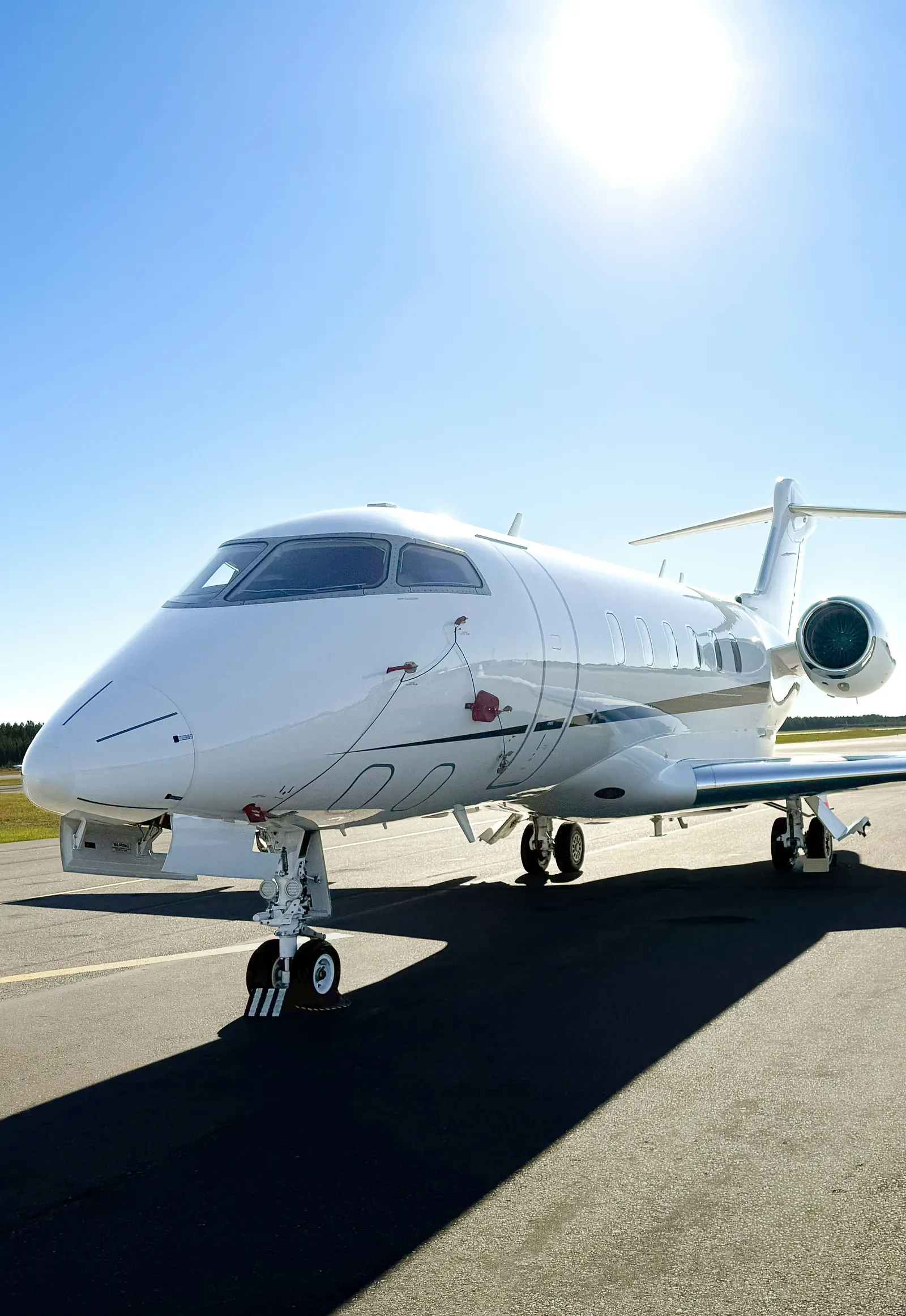 Midsize and super-midsize jetsCessna CitationCitation Longitude, Citation Latitude, Citation X, Citation Sovereign
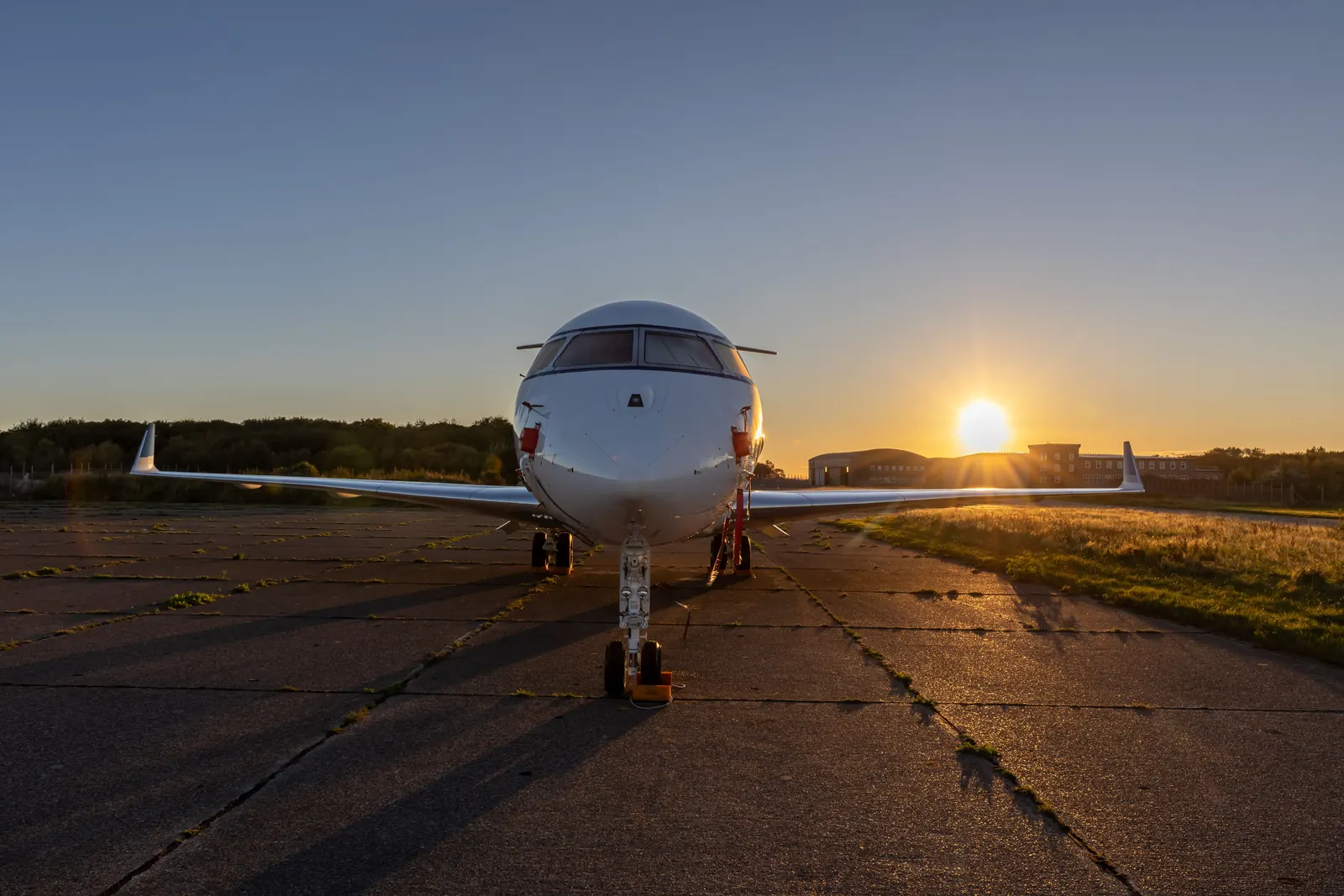 Midsize and super-midsize jetsEmbraerPraetor 600, Praetor 500, Legacy 500, Legacy 450
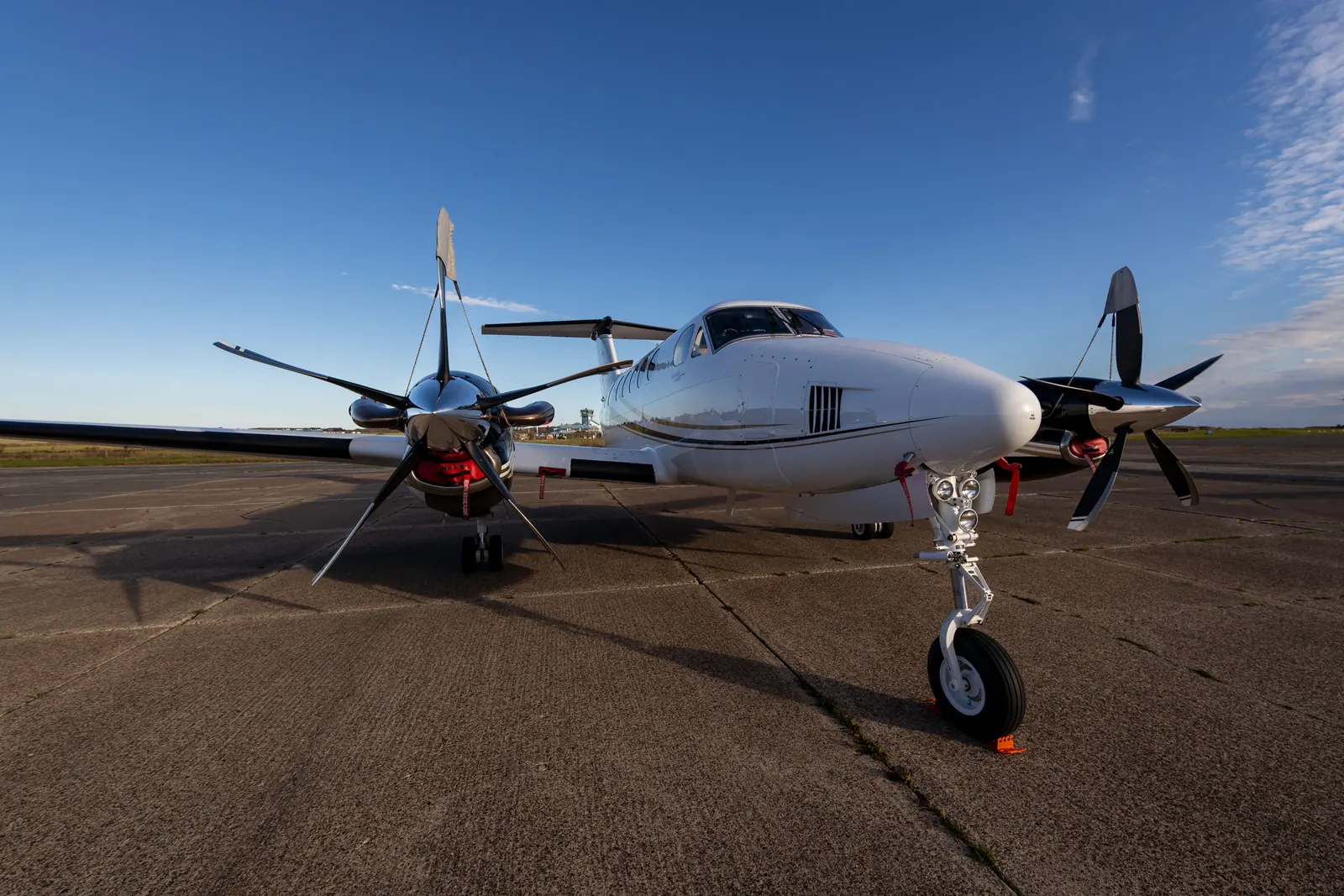 Twin-engine turbopropsBeechcraft King AirKing Air 350i, King Air 260
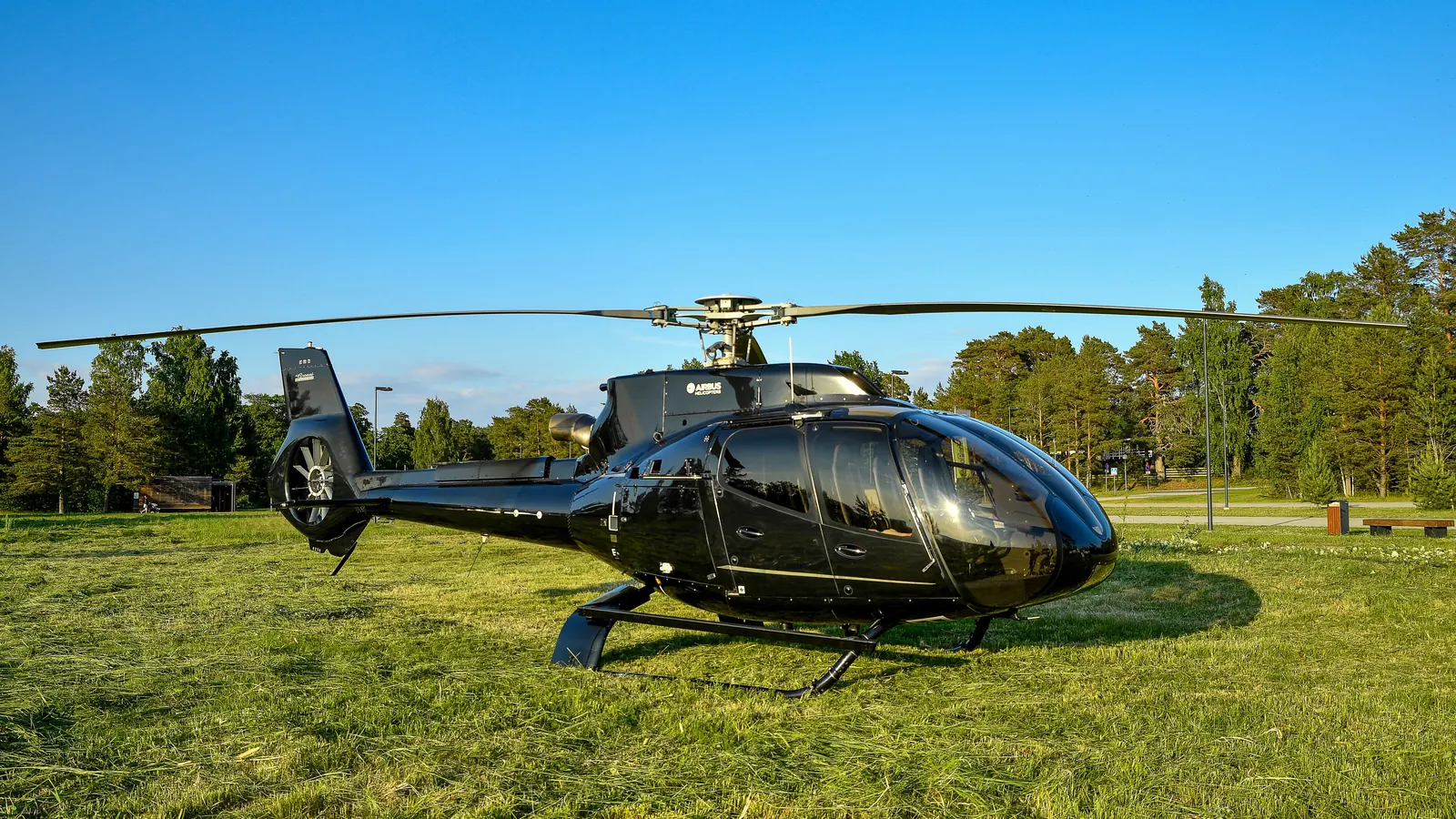 Executive and civil helicoptersAirbus Helicopters and SikorskyAirbus ACH130, Airbus H145, Sikorsky S-76
Questions
Asked by ownersand flight departments.
Will you touch switches or circuit breakers?
No. We clean around them, never change their position, and never operate aircraft systems. If a switch would have to be moved to clean beneath it, that spot is left for the crew. The flight deck is returned exactly as configured, and the crew checks it before we sign off.
What do you use to clean avionics displays?
A cleaner suitable for coated displays, applied to a soft microfibre cloth rather than the screen, with no pressure. Ammonia, alcohol-heavy products and paper towels are avoided, because each can damage anti-glare coatings. If the display manufacturer or your operator specifies a particular product, we use that instead.
Why does solvent damage aircraft placards?
Many placards are printed films or screen-printed markings, and the inks soften on contact with solvents such as alcohol or acetone-based cleaners. Lettering can blur or lift after a single wipe. Because some placards and markings are required on the aircraft, replacing them becomes a maintenance task. Non-solvent product avoids the problem entirely.
Can you remove scratches from cockpit windows?
No. Scratches and crazing in windscreens or side windows are assessed by maintenance, because on most pressurised aircraft those windows are structural. We clean them with acrylic-safe product and dedicated cloths that will not add new marks, and we point out any damage we notice to the crew.
Do you sanitise the flight deck?
Yes, on high-touch surfaces such as yokes or sidesticks, power levers, armrests and the hard surfaces around headsets. Products are chosen to be safe for the materials and are never sprayed directly. Headset ear seals and personal crew equipment are cleaned only if the crew asks us to.
Can cockpit cleaning be part of a pre-charter turnaround?
Yes. A light flight-deck clean is often part of a turnaround and can be done first, so the crew can begin their preflight preparation while we finish the cabin. We confirm the order of work with the captain or dispatcher when the turnaround is booked.
Often paired with
Related services.
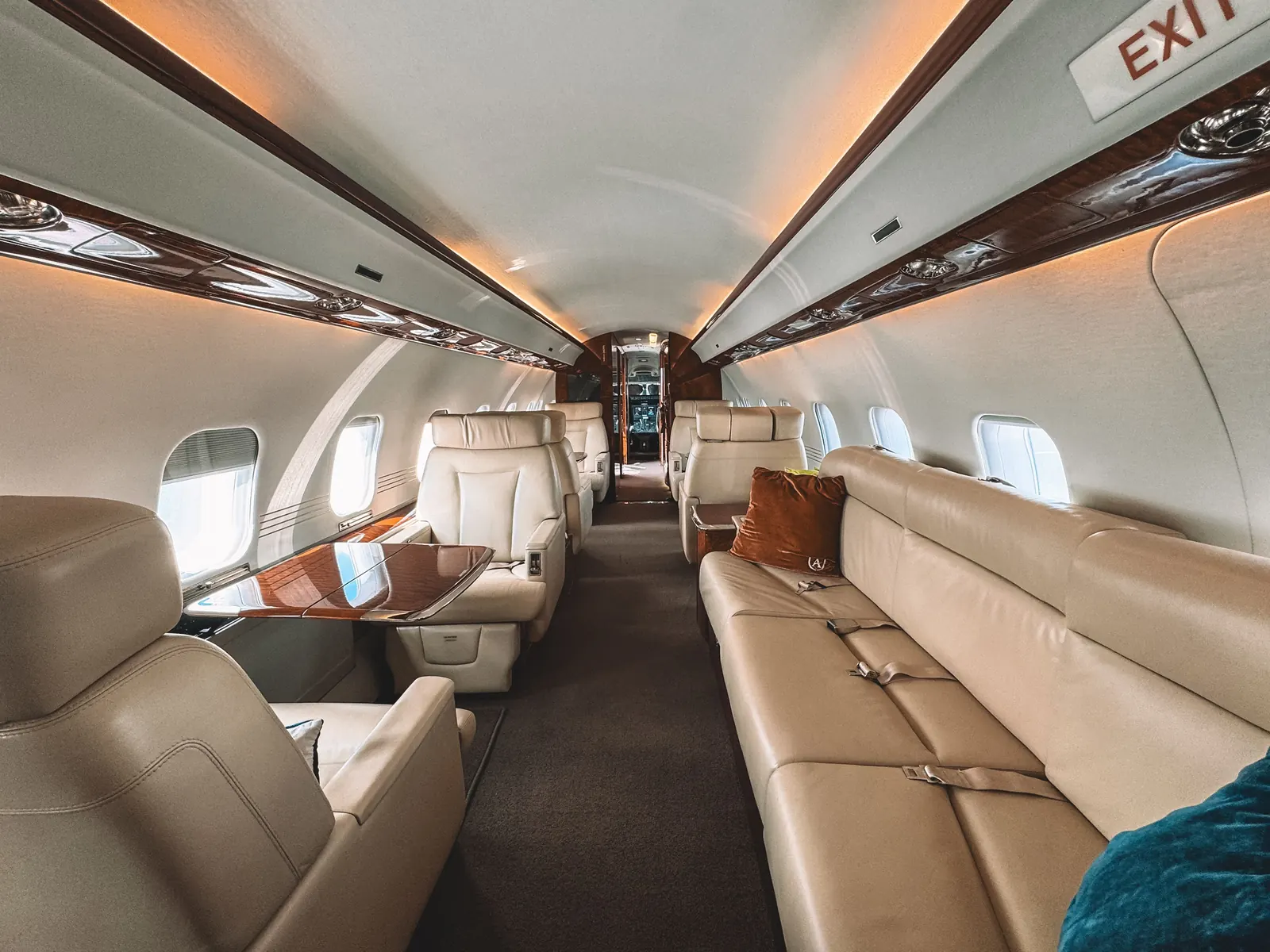 Cabin interior detailingSeating, veneers, carpets, headliners and sidewalls, each cleaned with product matched to the material.
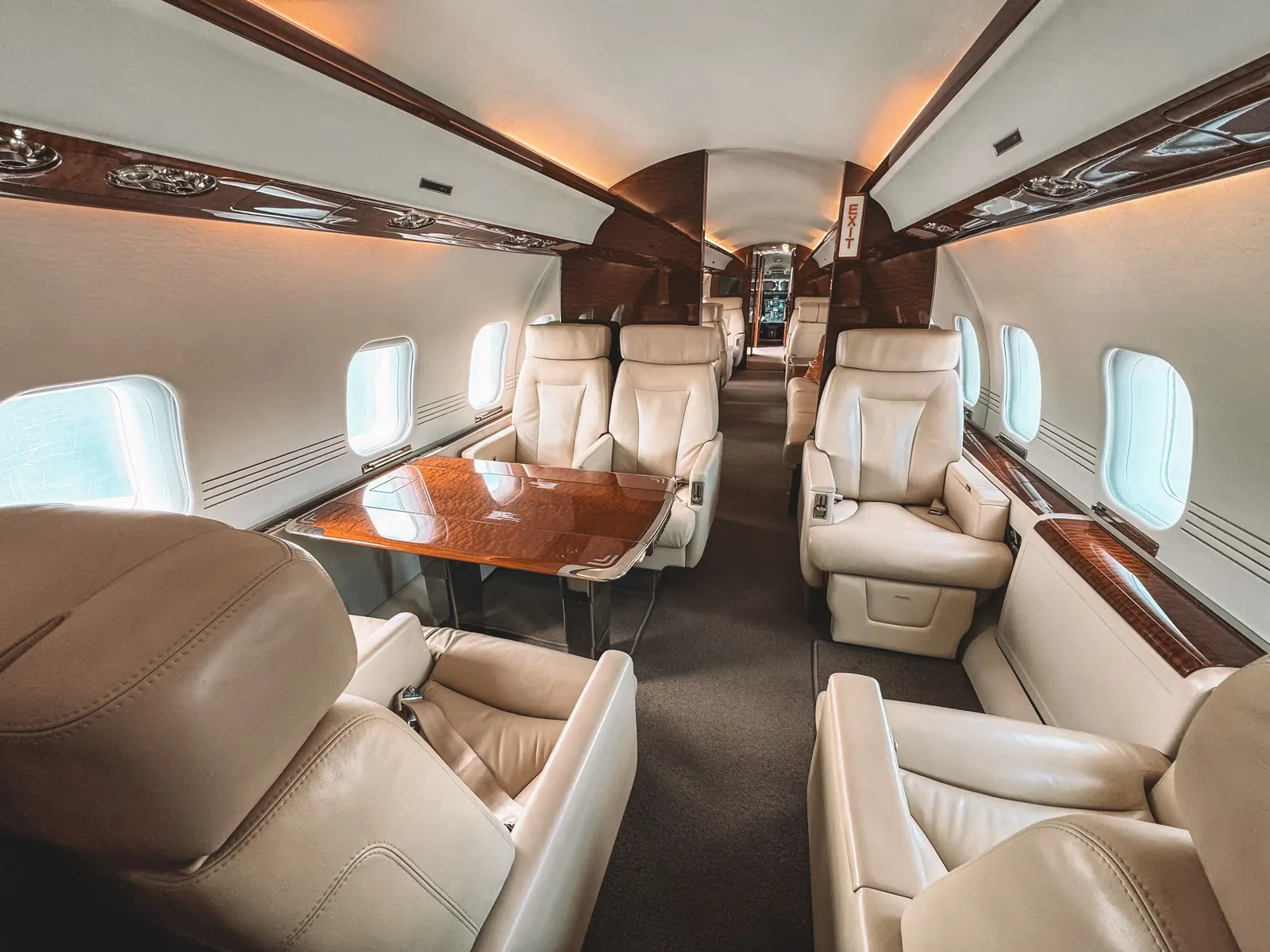 Aircraft leather careCleaning and conditioning for thin, finished aviation hide, without tackiness or premature cracking.
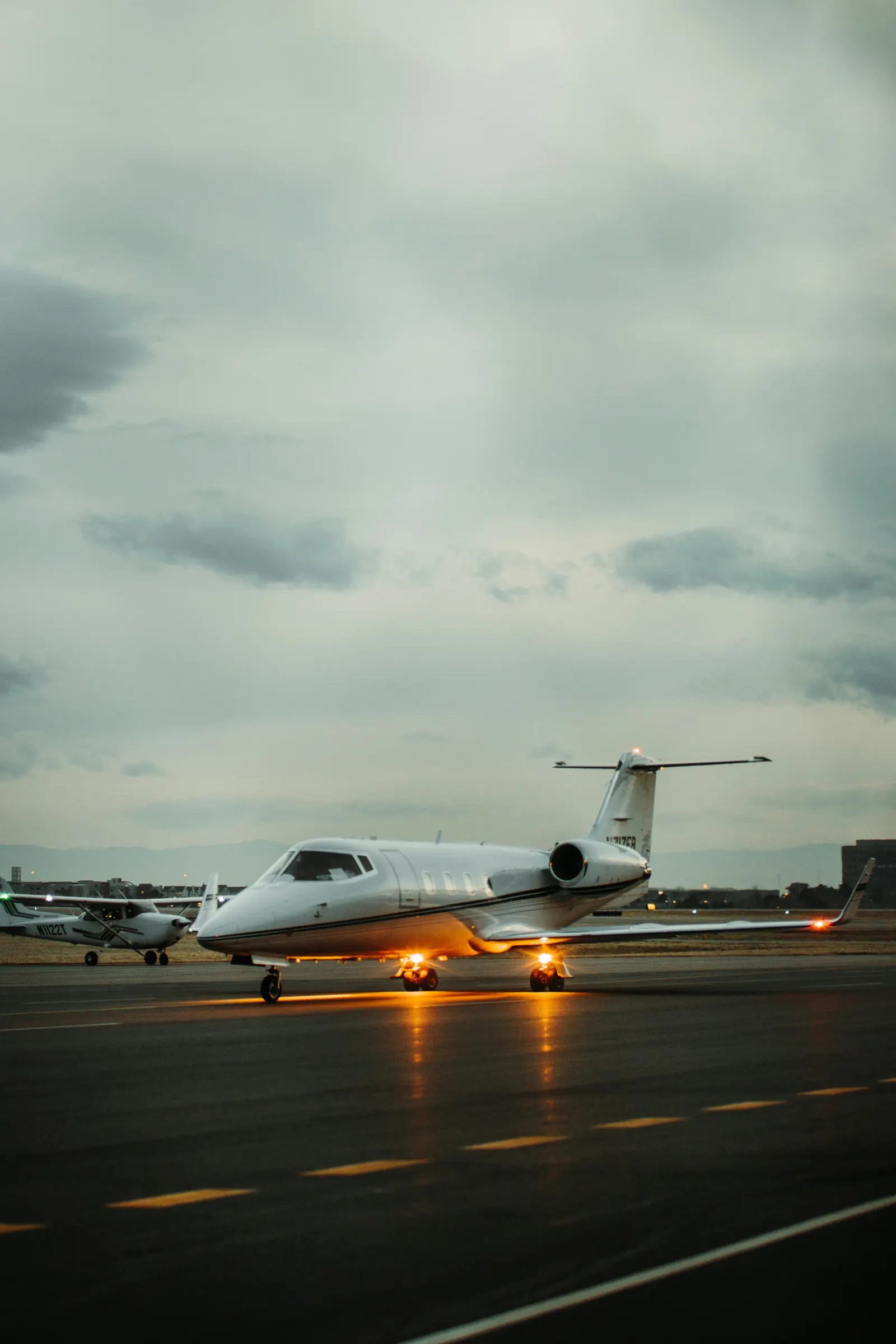 Pre-charter turnaroundA rapid presentation detail between flights, sized to your ground window and finished before crew arrival.
From the journal
Further reading.
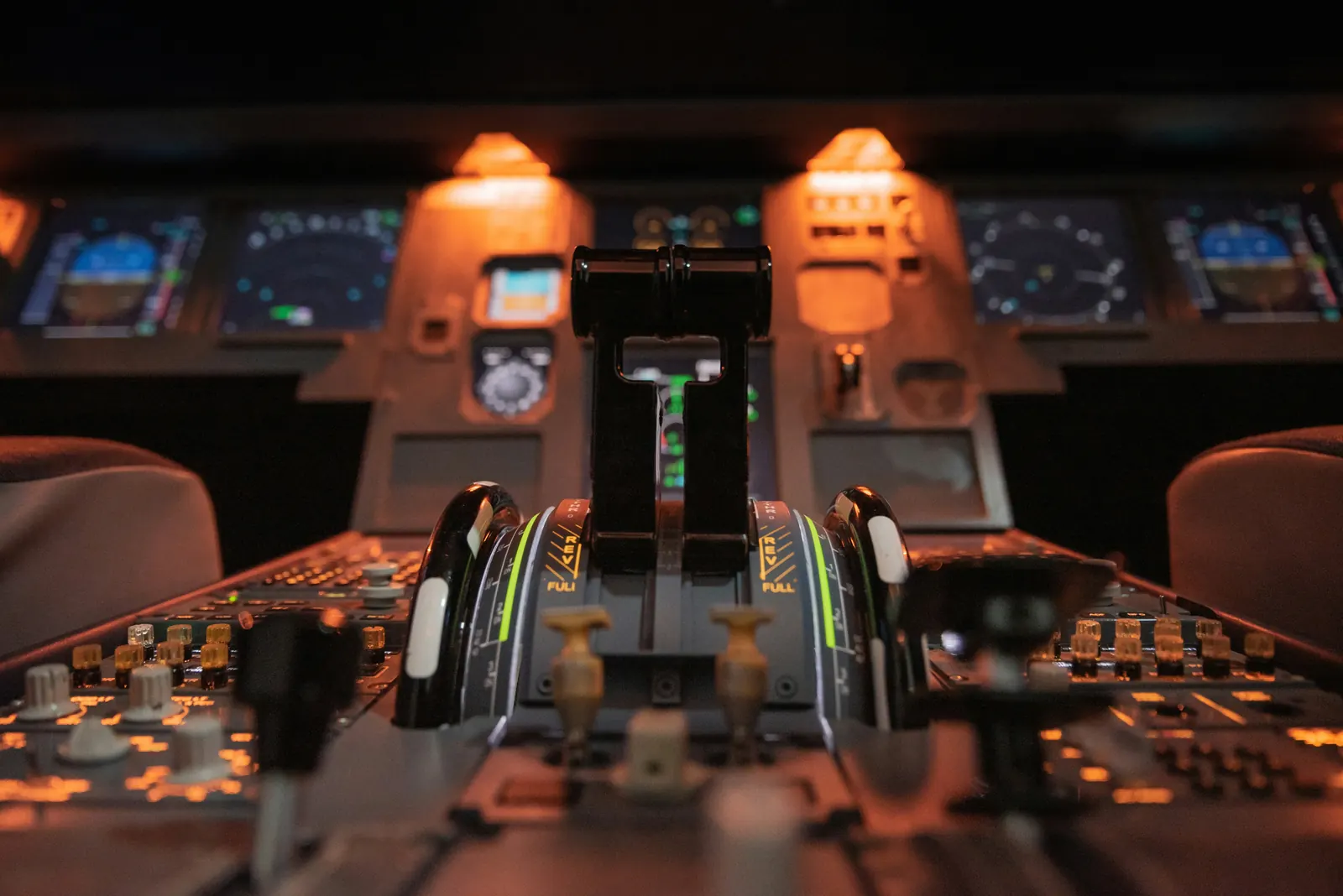 Cabin · 7 min readHow to clean cockpit screens and placards safelyClean cockpit screens by dampening a clean microfibre with a display cleaner the avionics or aircraft manufacturer approves, or distilled water, and wiping gently with the unit off where practical. Never spray directly onto a display or panel. Avoid ammonia, alcohol-heavy cleaners, solvents and paper towels, which can damage anti-reflective coatings, haze acrylic and lift placard lettering.
 Ownership · 7 min readHow to choose an aircraft detailing companyChoose an aircraft detailing company that carries appropriate insurance, will sign your NDA and never photographs aircraft without consent, uses products suitable for aircraft materials, works at your FBO or hangar under its rules, and is clear that its work is cosmetic. Ask for a written scope by zone before booking.
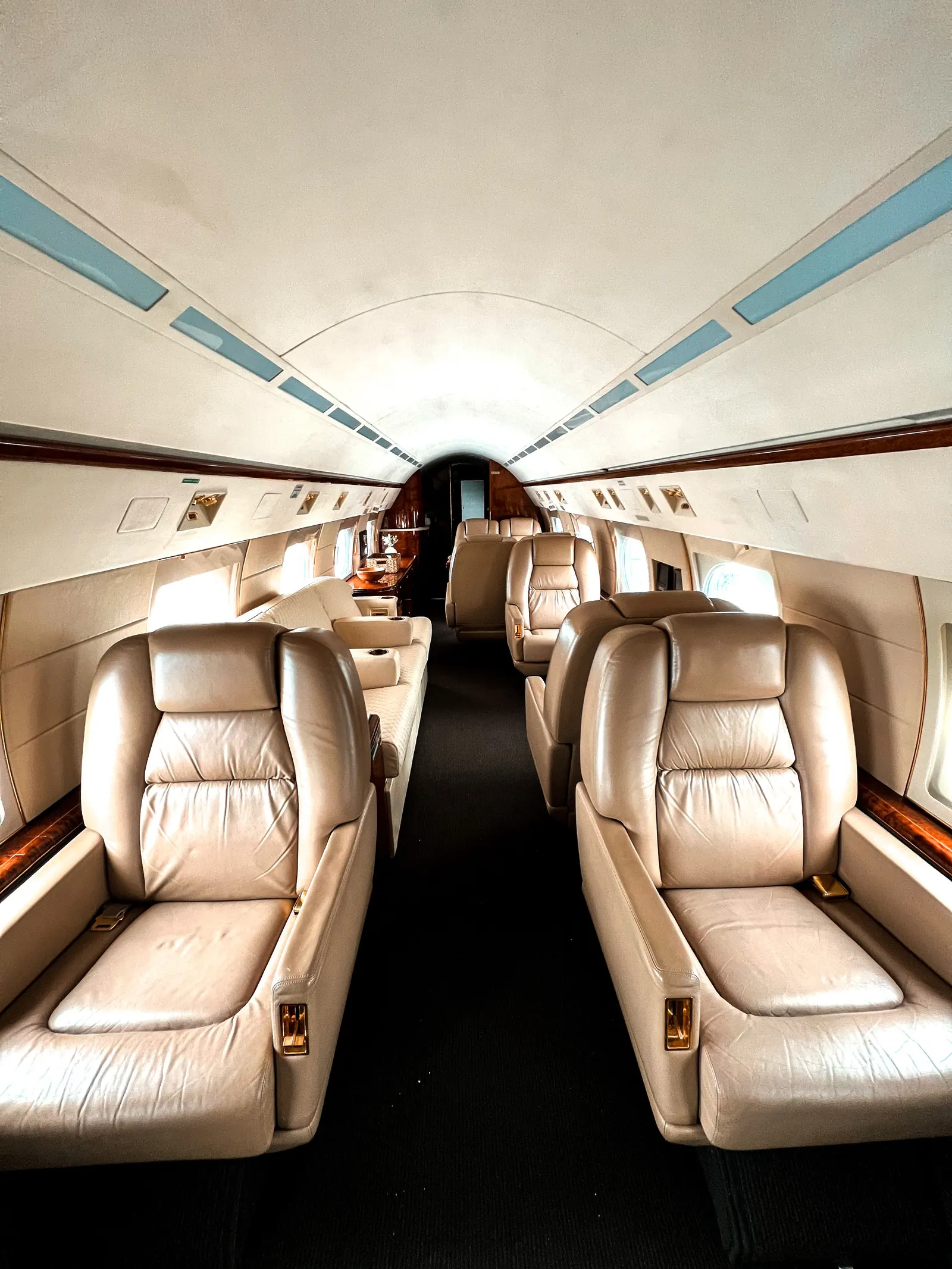 Cabin · 7 min readPrivate jet cabin detail: what to expectA full private jet cabin detail works top to bottom and back to front: protecting the cabin, removing loose items and waste, cleaning headliners and sidewalls, then veneers, leather, windows, galley, lavatory and cockpit, and finishing with carpet. Each material gets a suitable product, nothing is saturated, and it ends with a crew or owner walkthrough.


Private consultation
Exceptional care begins here.
A short, confidential conversation about your aircraft, your operation and your ground windows. A written scope follows, never a price list.