
Cabin care
Every material,treated as what it is.
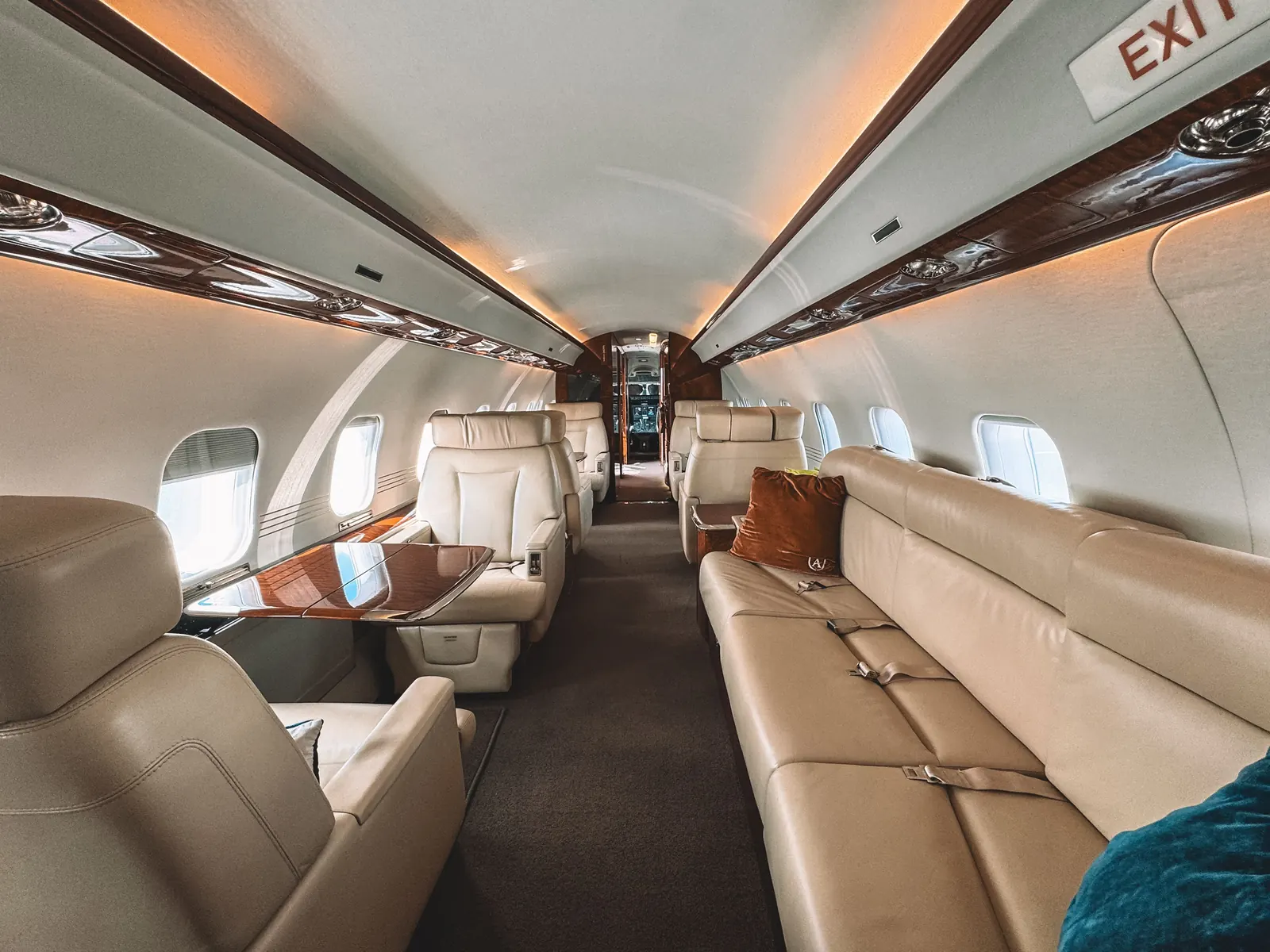
A private cabin brings leather, high-gloss veneer, wool carpet, plated hardware and acrylic within arm's reach of each other. Each one is cleaned on its own terms.
- Usually completed within a single ground window for light and midsize cabins. Large-cabin aircraft are scoped individually and may be scheduled across more than one visit.
- At your FBO or hangar
- Confidential by default
What is cabin interior detailing?
Cabin interior detailing is the material-by-material cleaning of an aircraft's passenger cabin: seats, veneers, carpets, headliners, sidewalls, tables and window reveals. Noctavius Aviation details private jet, turboprop and helicopter cabins at Ontario FBOs and hangars, matching product to each surface so lacquer, leather and acrylic are cleaned without damage.
Overview
Cabin interior detailingdone properly.
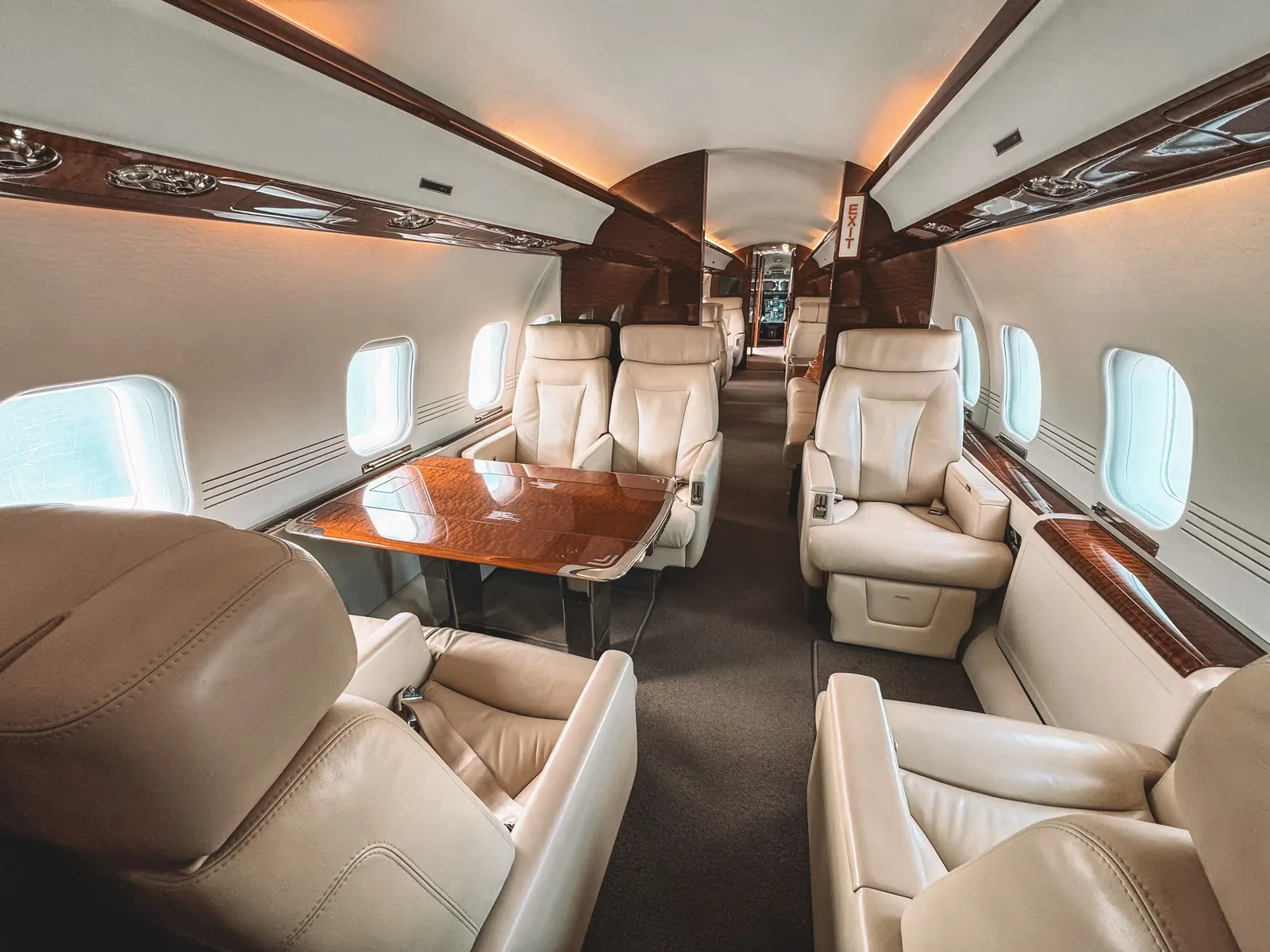
An aircraft cabin is built light. Veneers are thin and finished in high-gloss lacquer, seat leather is thinner than its automotive equivalent, and many trims are fabric-wrapped panels rather than solid surfaces. These finishes are costly to replace and some are hard to match once damaged. Detailing them well is mostly restraint: the right product, the right amount of moisture, and no shortcuts.
We work the cabin zone by zone, from headliner down to carpet, so dust and residue fall onto surfaces not yet cleaned. Each material has its own product and its own cloths. A cleaner suited to a galley counter has no business on a lacquered table edge, and leather conditioner should never reach a window reveal.
Cabin detailing pairs naturally with leather care, cockpit work and galley and lavatory sanitation. On charter aircraft it is often split in two: a full detail on a regular cycle, with lighter presentation resets between flights.
The scope
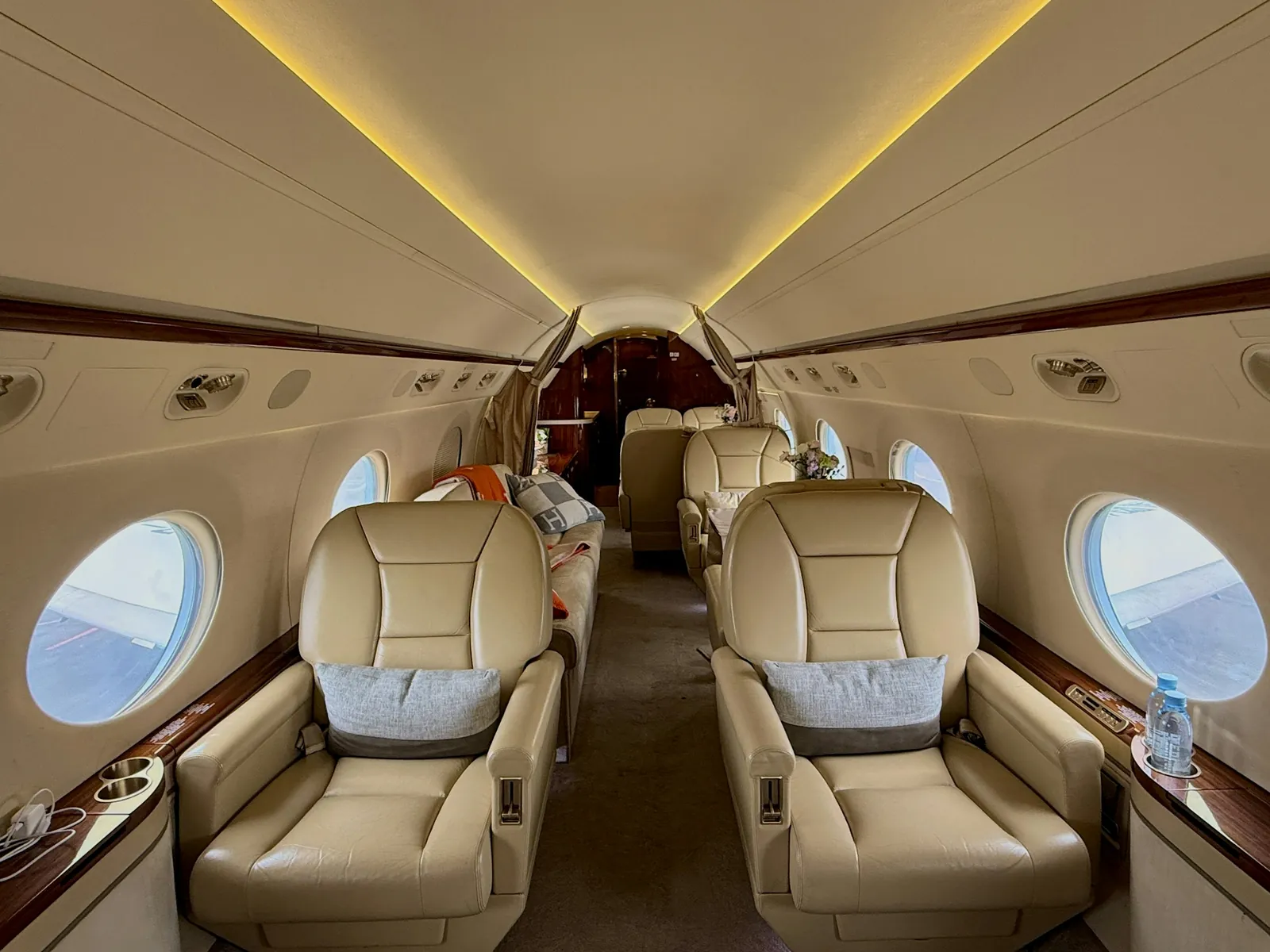
What it includes.Every surface, by name.
- Seating
- Leather and fabric seats cleaned, including seams, piping, belts, and the tracks and recesses where debris collects.
- Veneers and cabinetry
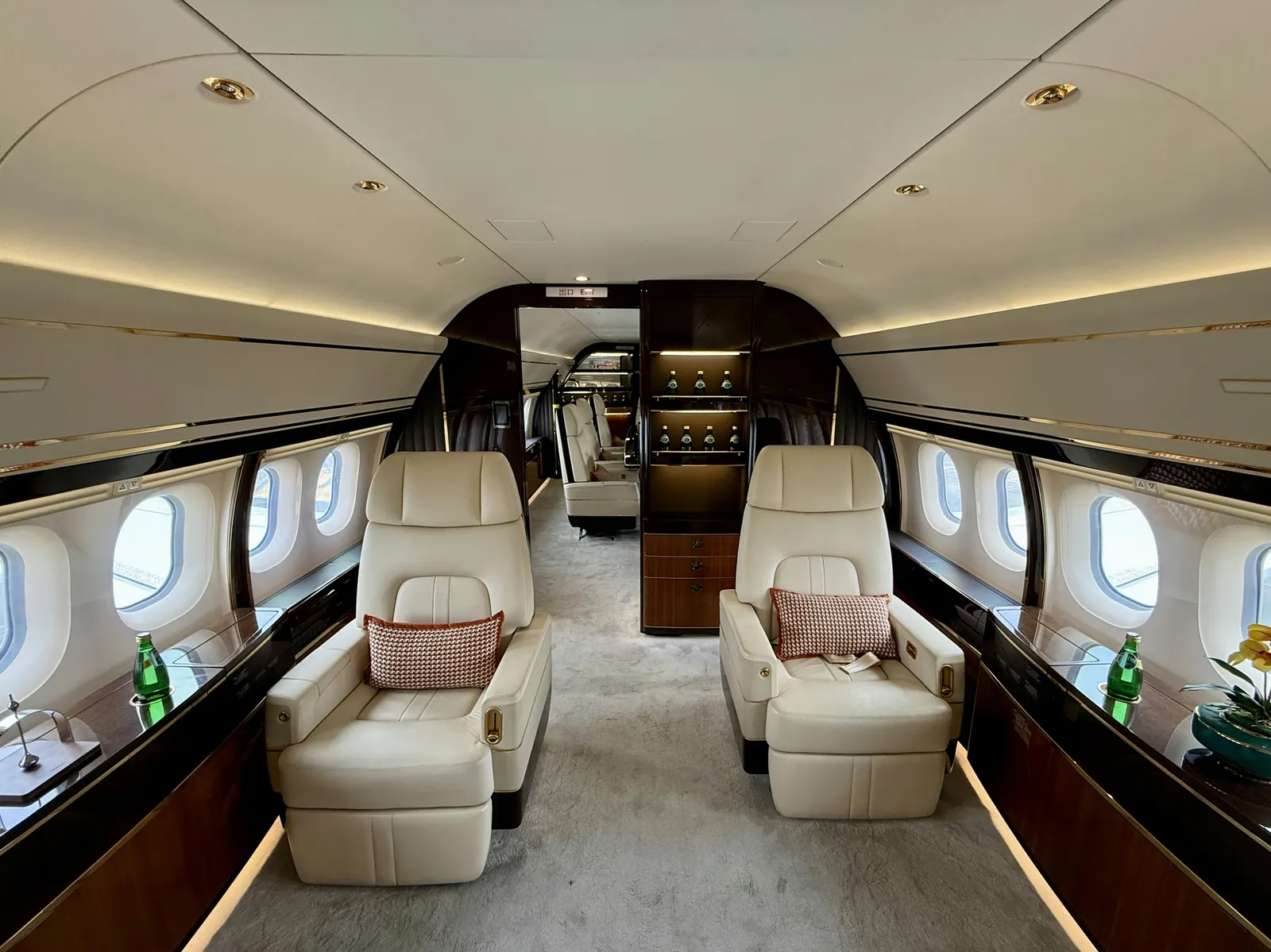
- Lacquered and high-gloss surfaces cleaned with non-abrasive product, leaving no fingerprints, streaks or haze.
- Carpets and runners
- Thorough vacuuming with low-moisture spot treatment, so underlay and floor panels are never wetted.
- Headliners and sidewalls
- Fabric and soft-touch panels cleaned gently, without saturating the material or its adhesive.
- Tables, controls and hardware
- Plated fittings, switches and cabin management controls wiped with product safe for the finish.
- Window reveals and shades
- Window surrounds and shade surfaces cleaned, with cabin-side acrylic treated using non-solvent product.
- Entry, airstair and baggage area
- The first and last surfaces a passenger sees, detailed to the same standard as the cabin itself.
Why the method matters
The differenceis in what you don't see.
- I
Lacquer marks easily
High-gloss veneer shows every swirl. An abrasive cloth or the wrong cleaner leaves haze that only refinishing removes.
- II
Moisture travels
Over-wet carpet or headliner cleaning can reach underlay, adhesives and floor panels, where it dries slowly and leaves odour.
- III
Wrong chemistry is permanent
Solvent-based products can cloud acrylic and lift printed placards. Every cabin product is chosen for a specific surface.
- IV
Passengers notice the edges
Seat tracks, cupholders and window reveals are where a cabin reads as cared for, or not.
The process
How we workon your aircraft.
Usually completed within a single ground window for light and midsize cabins. Large-cabin aircraft are scoped individually and may be scheduled across more than one visit.
- I
Protect and prepare
Personal items are left as found unless the crew asks otherwise. Sensitive surfaces and electronics are protected first.
- II
Top down
Headliner, overhead panels and upper sidewalls first, so dust falls onto areas still to be cleaned.
- III
Surfaces and seating
Veneers, tables, hardware and seats, each with its own product and cloths.
- IV
Floors last
Carpets and runners vacuumed and spot-treated with minimal moisture.
- V
Walkthrough
A final review with your crew or flight department before we leave the aircraft.
Airframes
Matched to the aircraft,not applied generically.
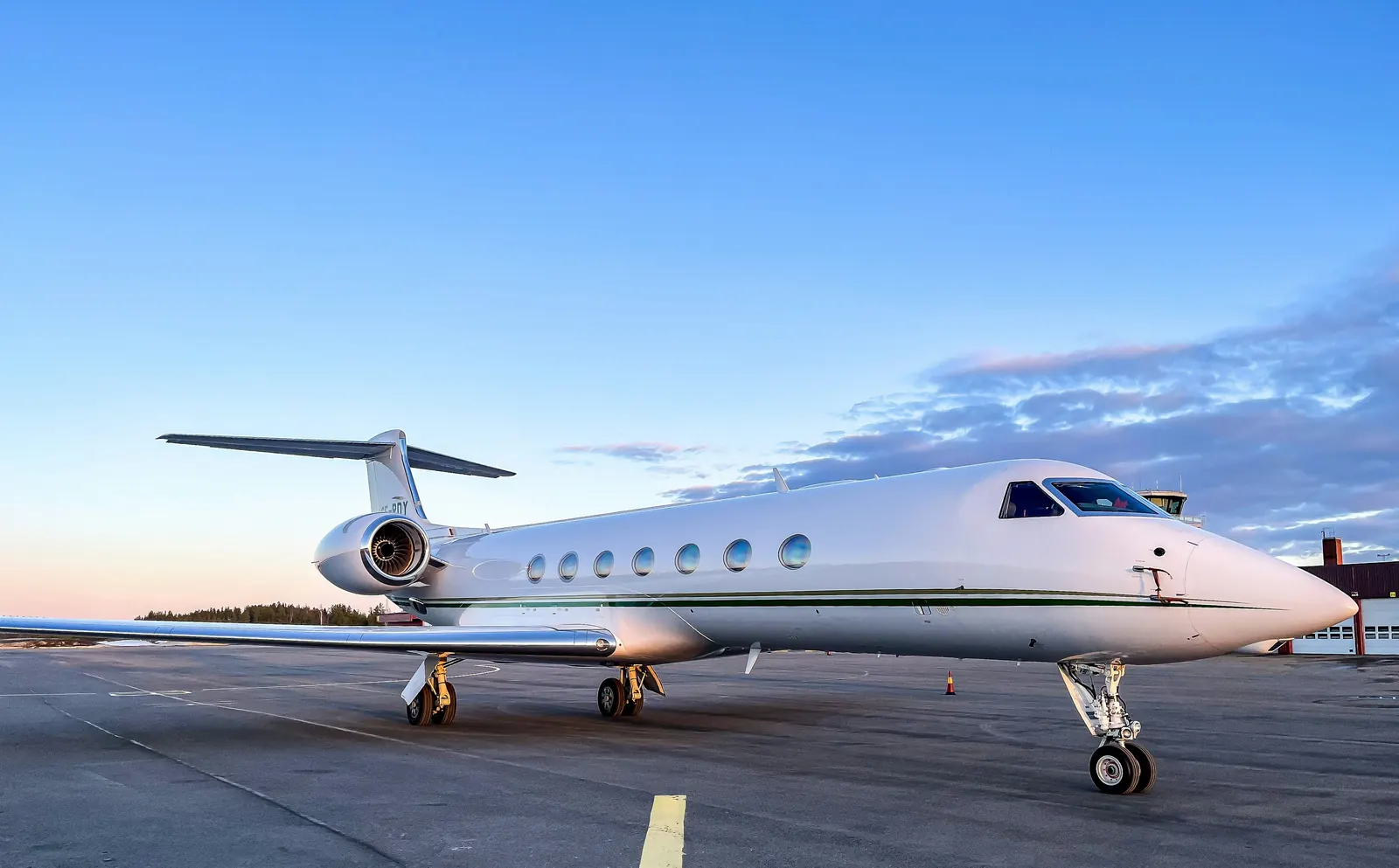 Large-cabin and ultra-long-range jetsGulfstreamG700, G650, G550, G450
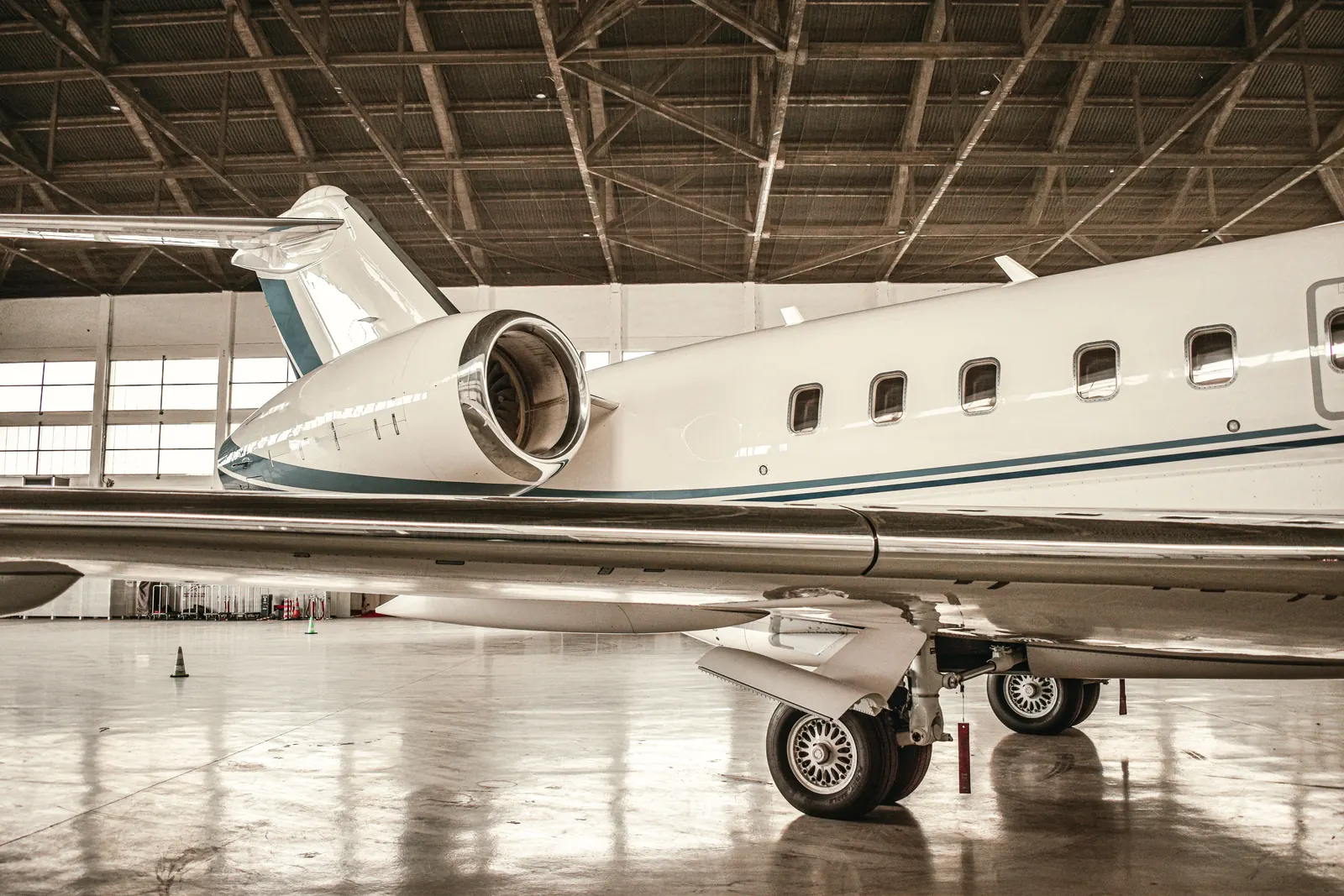
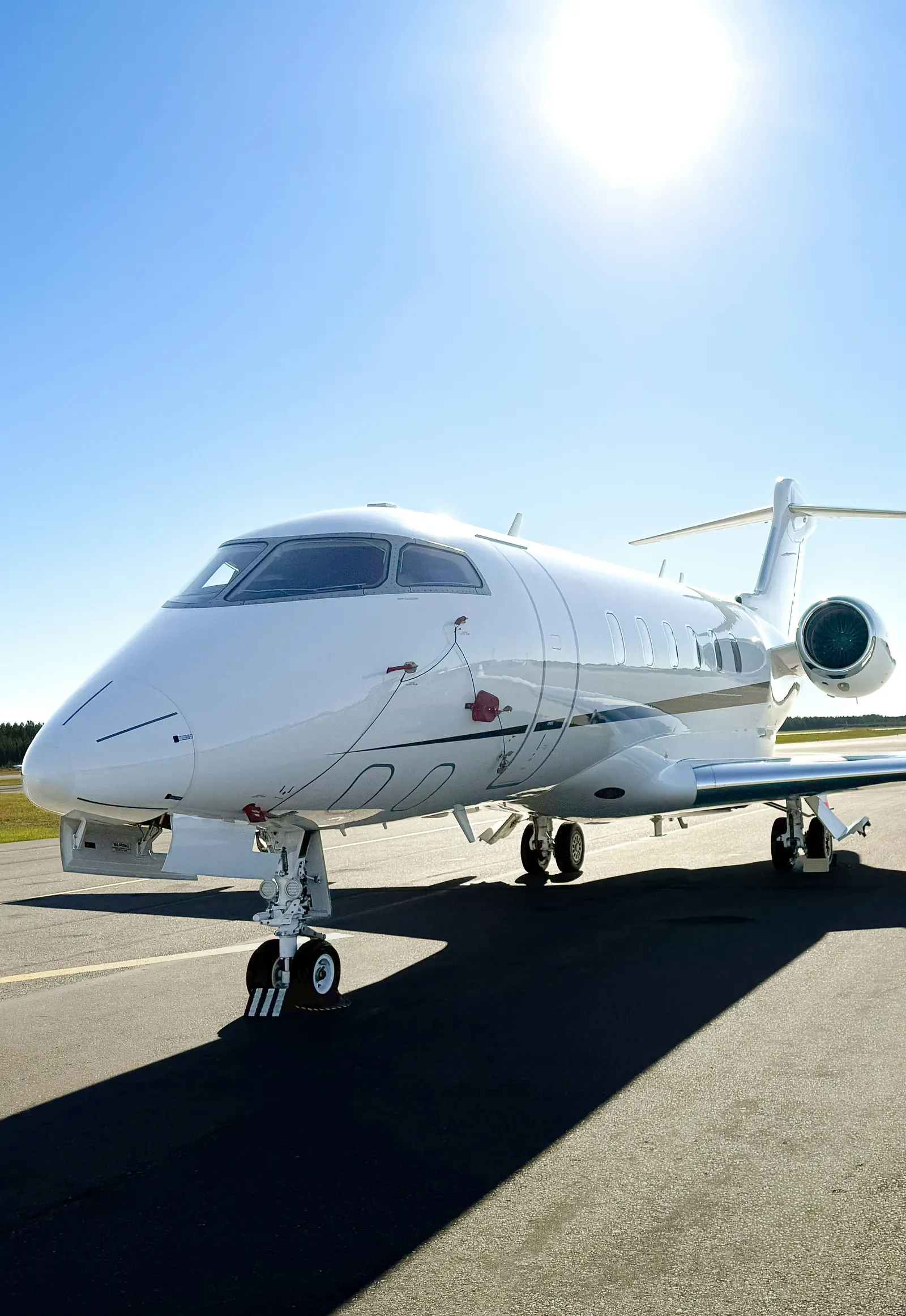
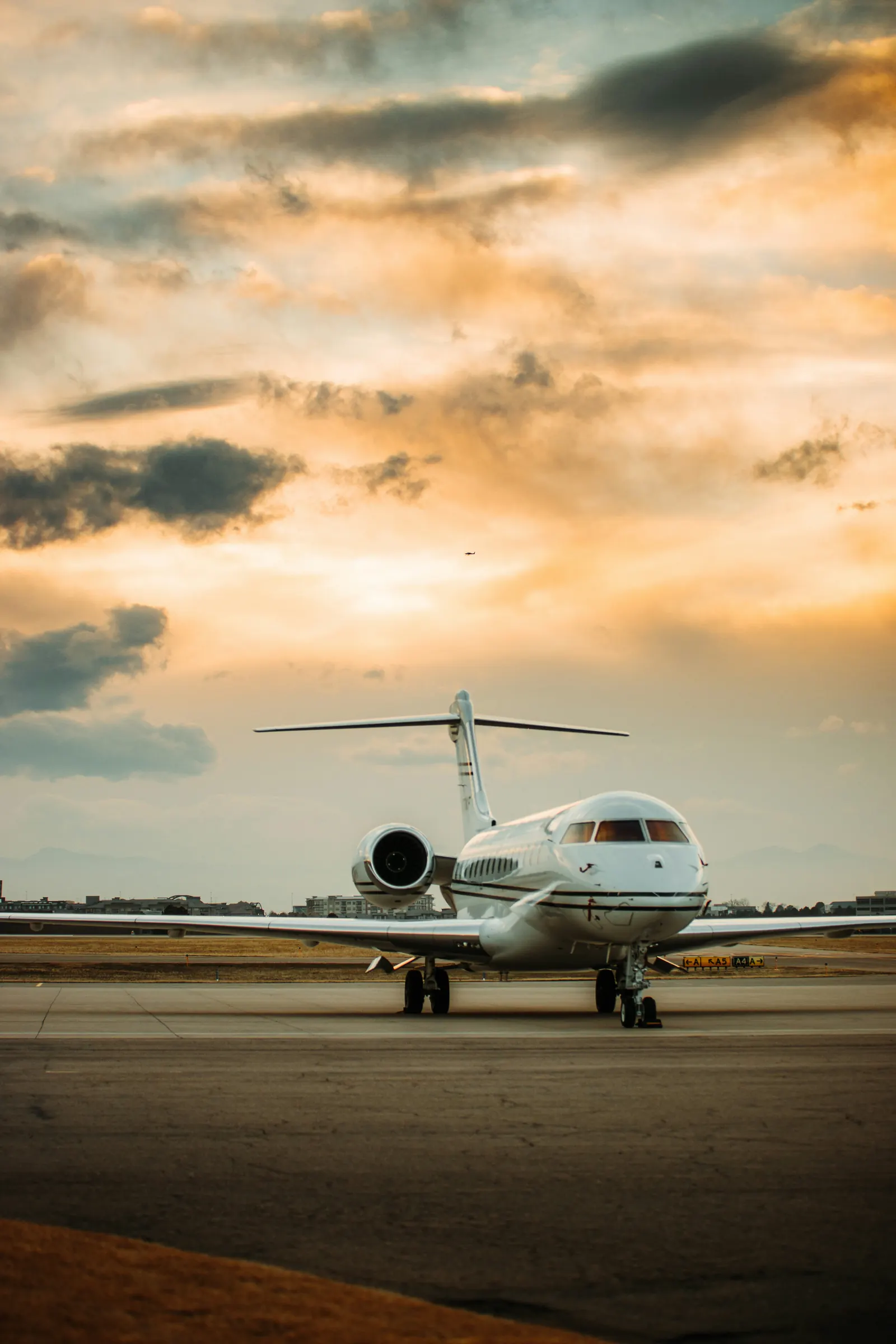 Super-midsize, large-cabin and ultra-long-range jetsBombardierGlobal 7500, Global 6000, Challenger 650, Challenger 350
 Large-cabin trijets and twinjetsDassault FalconFalcon 8X, Falcon 7X, Falcon 2000
 Midsize and super-midsize jetsCessna CitationCitation Longitude, Citation Latitude, Citation X, Citation Sovereign
Questions
Asked by ownersand flight departments.
Can you clean aircraft carpets without soaking them?
Yes. We use low-moisture methods: thorough vacuuming, then spot treatment applied to the fibre rather than poured into it. Aircraft carpet usually sits on underlay over floor panels, and water trapped there dries slowly and can leave odour or staining. If a carpet needs deep extraction or replacement, we will tell you, and that work belongs with an interior shop.
Do you remove personal items from the cabin?
No, unless your crew asks us to. Personal effects, documents and catering are left as found. Where something has to be moved to clean beneath it, we note its position and put it back exactly. Our technicians are background-checked, and anything seen in an owner's cabin is treated as confidential.
What do you use on cabin veneers?
Non-abrasive cleaners suited to lacquered and high-gloss finishes, applied with soft microfibre. Polishing compounds, ammonia-based glass cleaner and general-purpose sprays never go near veneer. If a surface already shows scratches or haze in the lacquer, we document it, because correcting it is a job for a refinishing specialist.
Can you deal with odours in an aircraft cabin?
Usually, once the source is found. Food residue in seat tracks, spills in carpet, and galley or lavatory areas are the common causes. We clean the source rather than masking it with fragrance, which many owners and crews prefer to avoid in a closed cabin. Persistent odours from air systems or insulation are referred to your maintenance provider.
Can you work to our operator's cabin standard?
Yes. If your flight department or management company has a cabin presentation standard, checklist or product restrictions, we work to it. If not, we agree a written scope by zone before starting, so everyone knows exactly what the finished cabin should look like and nothing is left to interpretation.
How is cabin detailing priced?
Every quote is custom. Price depends on cabin size, materials, condition, and whether the scope includes leather, galley, lavatory or cockpit work. We assess the aircraft first, then provide a written scope and estimate before anything is booked. There are no published prices, because no two cabins are the same job.
Often paired with
Related services.
 Aircraft leather careCleaning and conditioning for thin, finished aviation hide, without tackiness or premature cracking.
 Galley and lavatory sanitationHygiene-level cleaning of galley surfaces, appliances and lavatories, left ready for passengers.
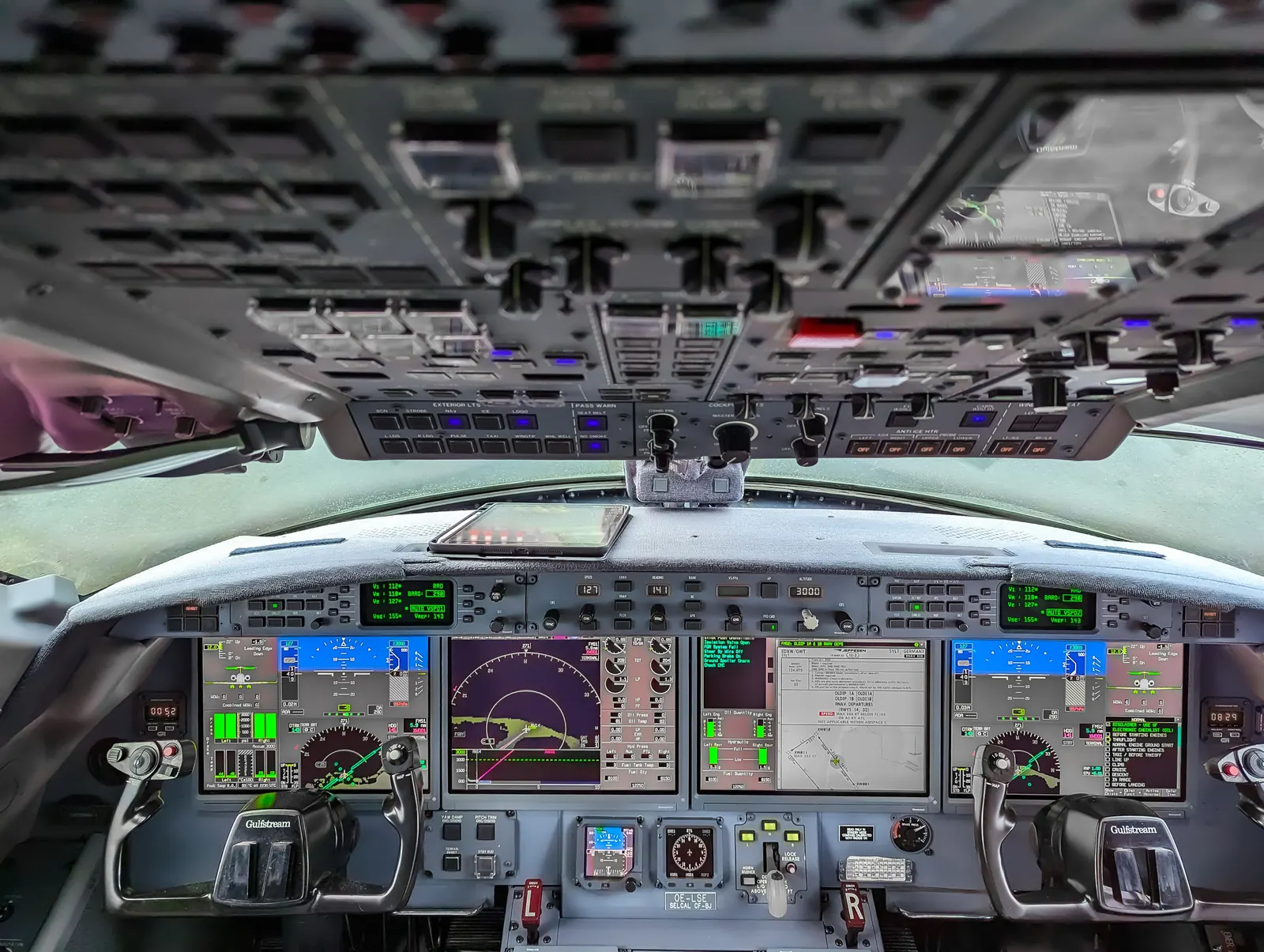 Cockpit and placard careNon-solvent cleaning for flight-deck panels, displays, placards and acrylic, with every switch left as found.
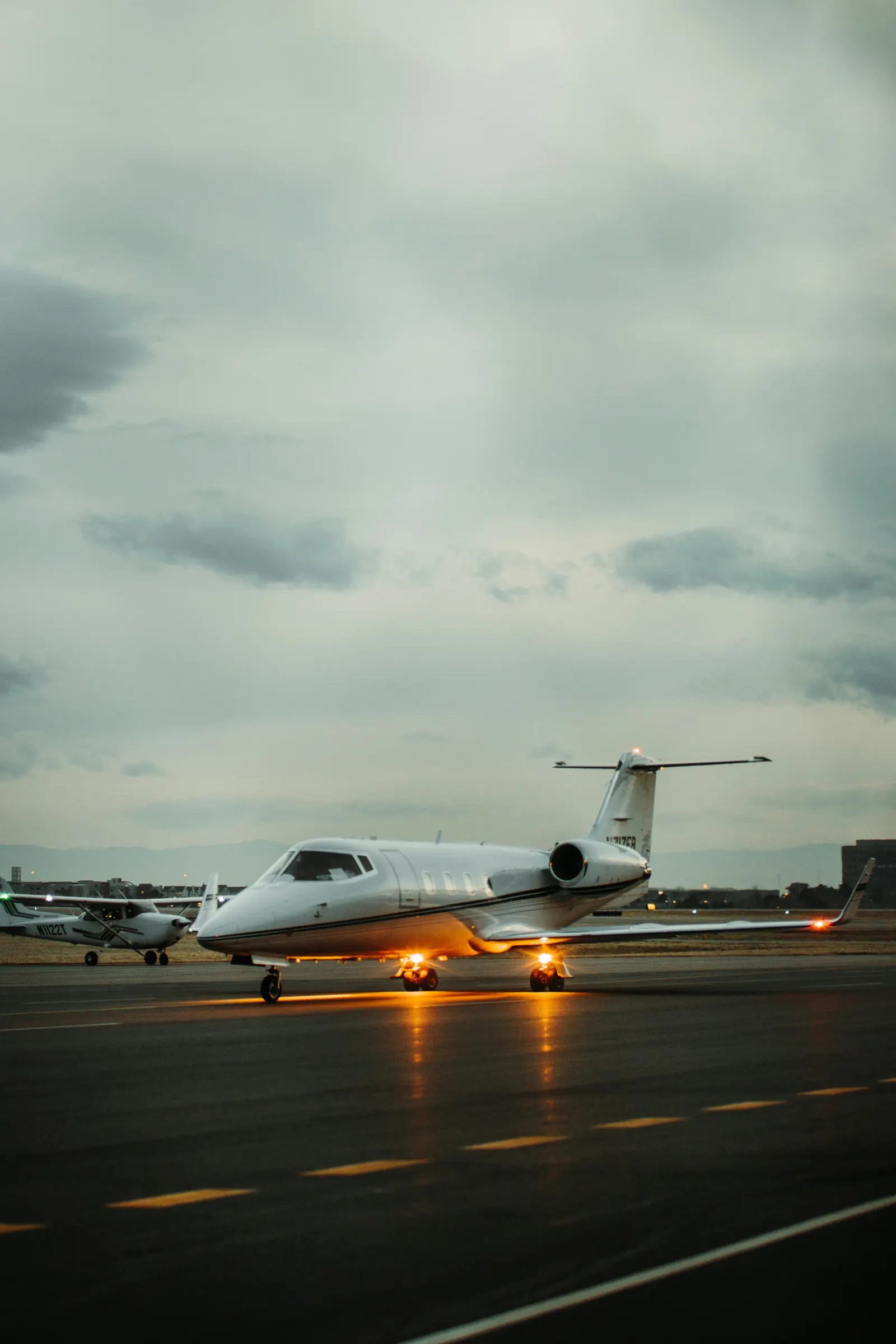 Pre-charter turnaroundA rapid presentation detail between flights, sized to your ground window and finished before crew arrival.
From the journal
Further reading.
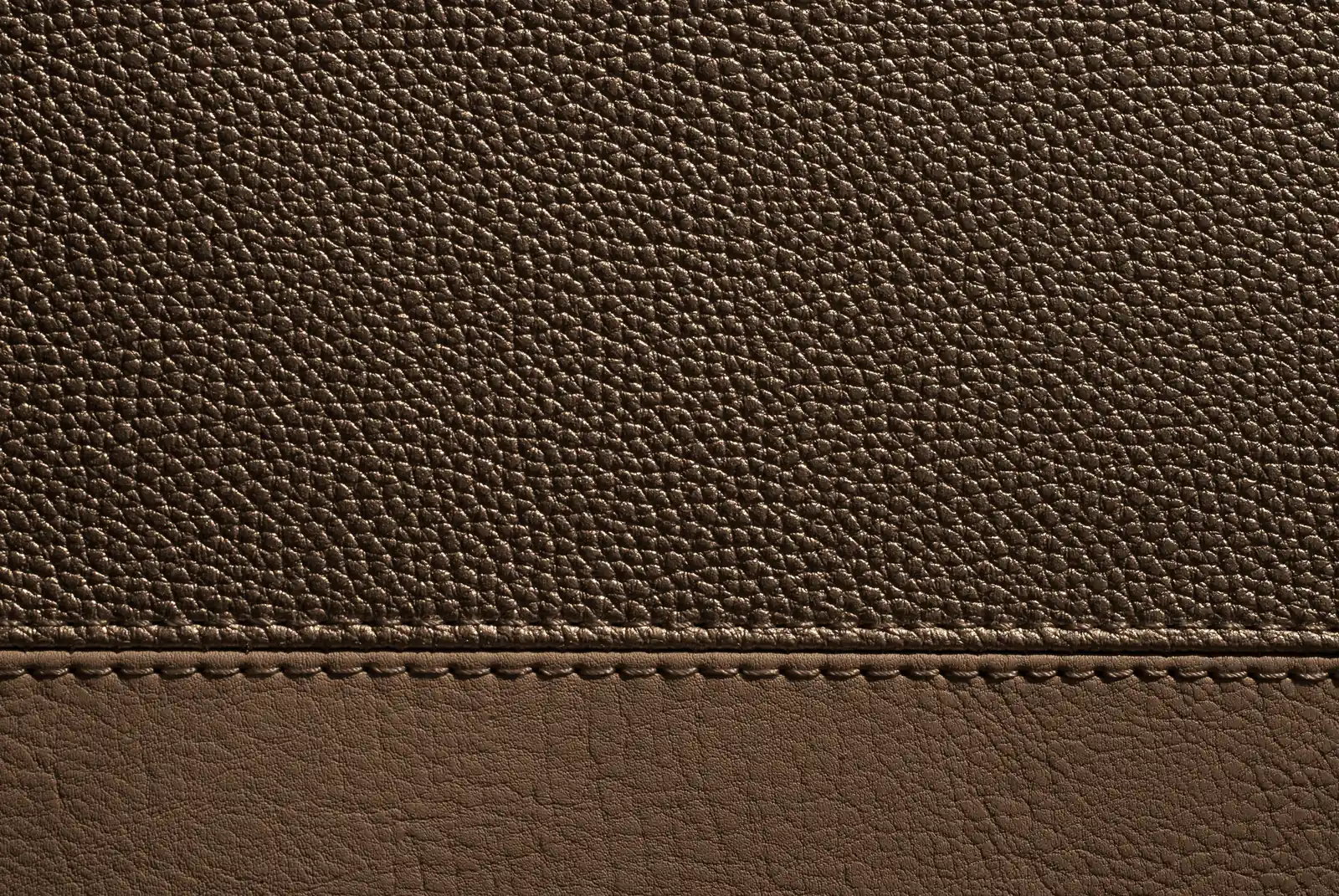 Cabin · 7 min readHow to care for private jet leather seatsClean private jet leather with a pH-neutral leather cleaner on a soft brush or microfibre, working gently and never saturating the hide, then apply a light conditioner formulated for finished aviation leather. Avoid household cleaners, alcohol, silicone dressings and heavy oils. Aviation leather is often thinner and more heavily finished than automotive hide.
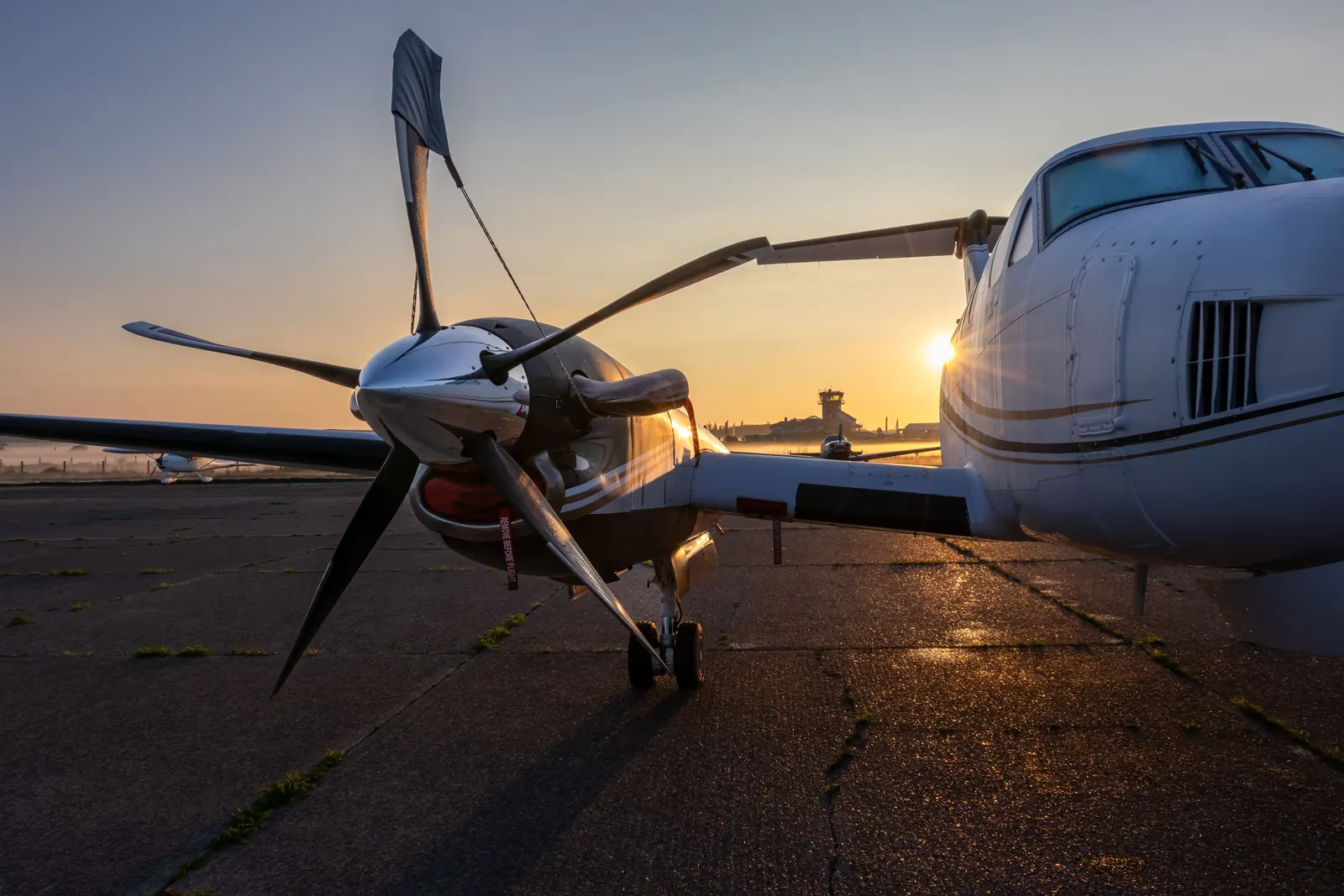 Ownership · 7 min readHow often should a private jet be detailed?There is no single interval. A private jet's cabin should be reset after every trip with passengers, while full interior and exterior details are scheduled by utilisation, storage and season. Charter aircraft and those parked outdoors need the shortest intervals; hangared, owner-flown aircraft can go longer. Winter deicing and summer insects shorten every interval.
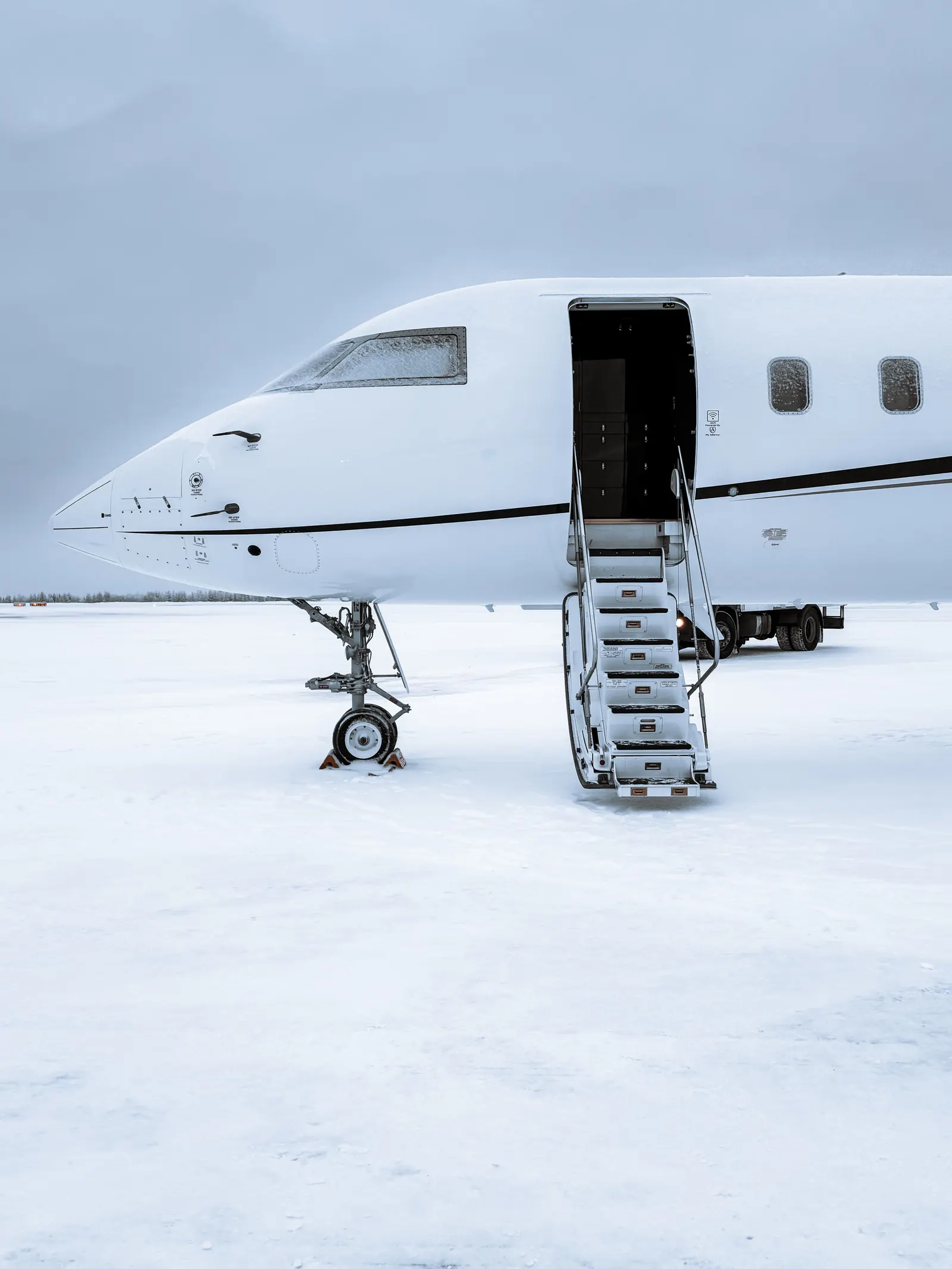 Operations · 7 min readWhat is a pre-charter turnaround?A pre-charter turnaround is a rapid presentation detail done between flights so the next passengers board a cabin that looks unused. It typically covers waste removal, galley and lavatory sanitation, high-touch surfaces, vacuuming, leather and veneer touch-up, soft goods and an exterior presentation wipe. It is scheduled inside the ground window and coordinated with dispatch, crew and the FBO.


Private consultation
Exceptional care begins here.
A short, confidential conversation about your aircraft, your operation and your ground windows. A written scope follows, never a price list.