
Rotorcraft
Built around rotor wash,and the glass passengers look through.
Helicopters fly low, land on grass and gravel, and carry passengers who spend the flight looking out. Their detailing has its own priorities.
- Most executive helicopters can be detailed within a single ground window. Heavier rotor-wash soiling or a full cabin detail may need longer.
- At your FBO or hangar
- Confidential by default
What is helicopter detailing?
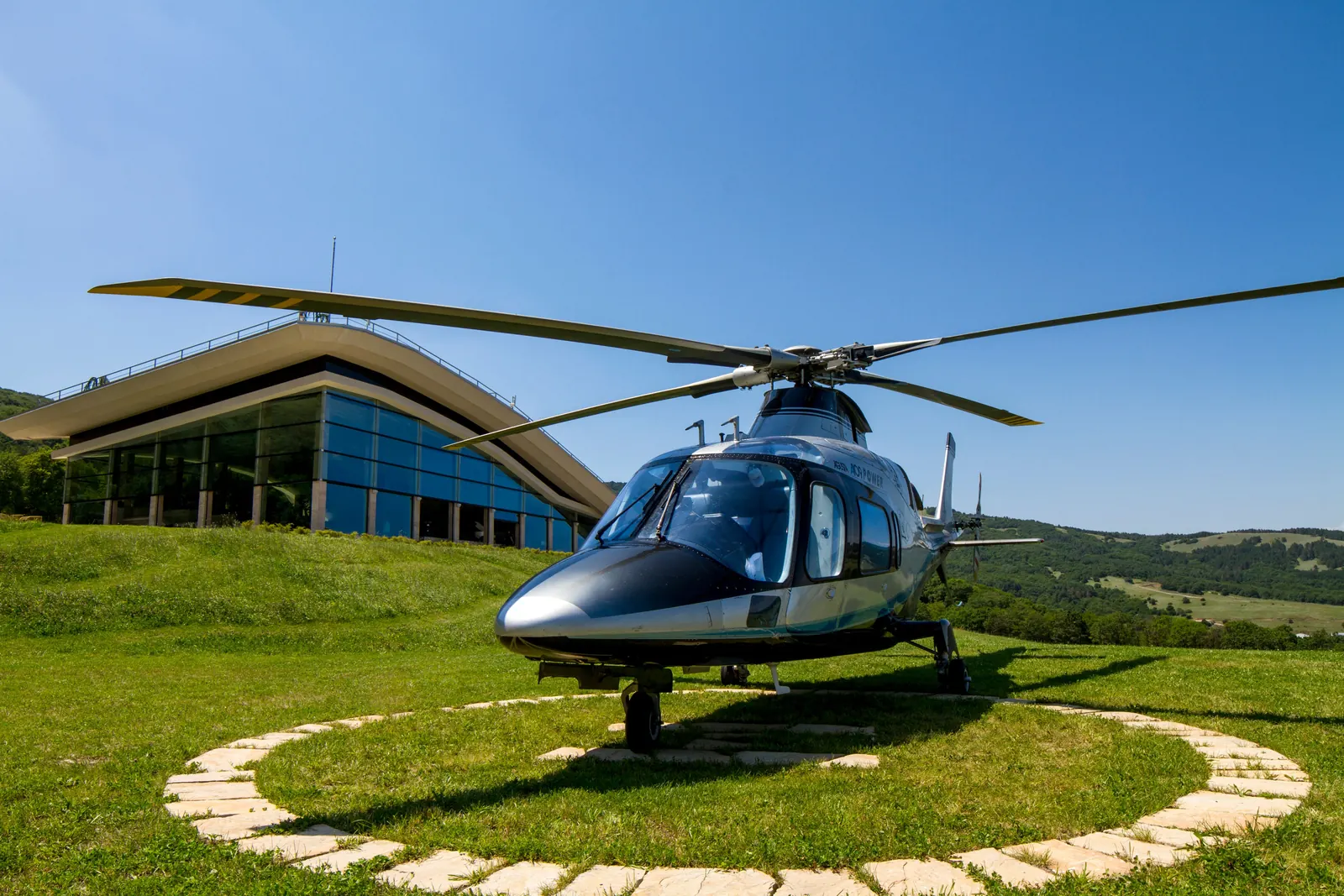
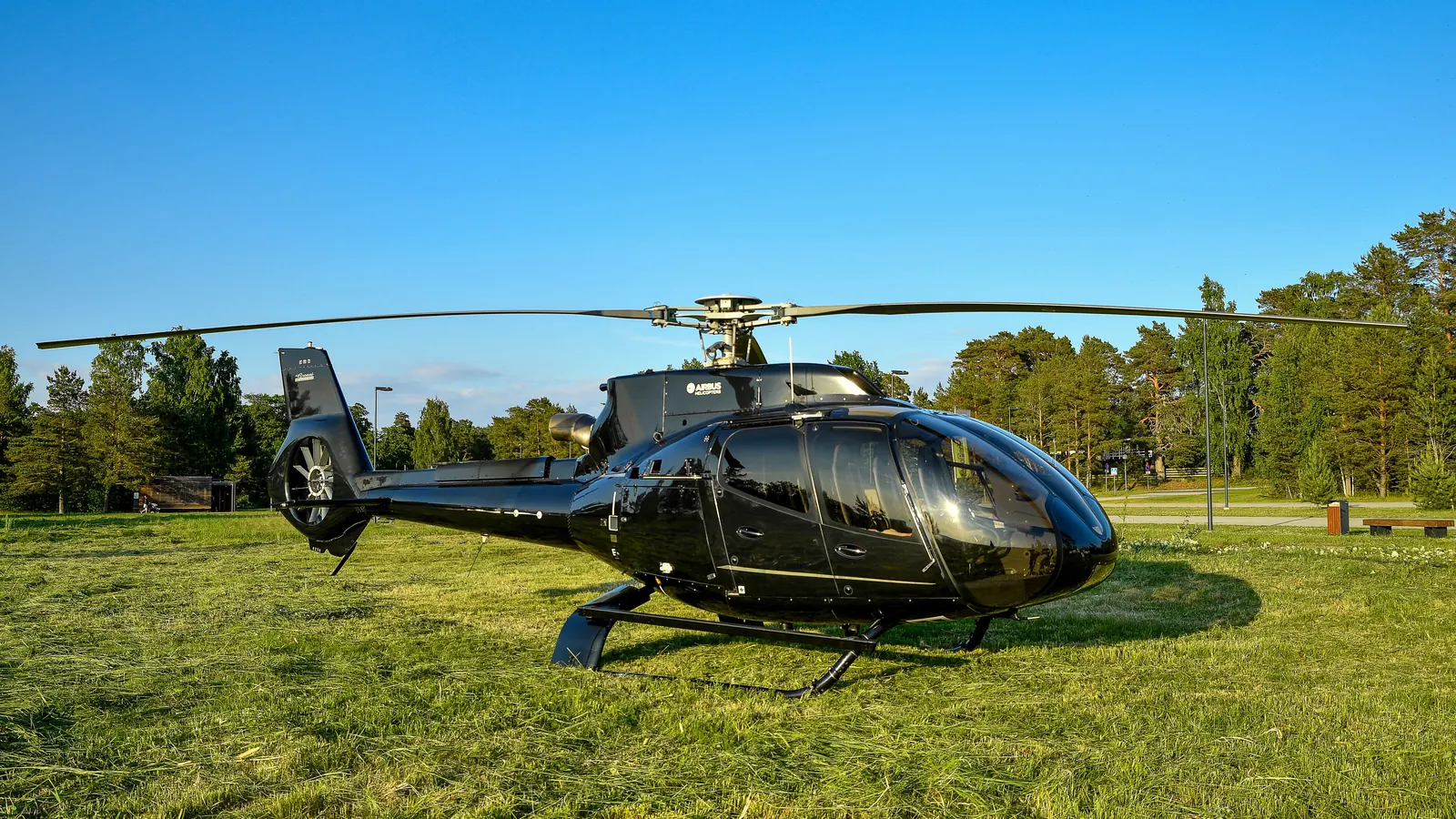
Helicopter detailing is the cosmetic cleaning of a rotorcraft's airframe, canopy and windows, rotor hub and blades, skids or gear, and cabin. Noctavius Aviation details executive and civil helicopters such as the ACH130, H145 and S-76 at Ontario FBOs and hangars, using dry wash methods and acrylic-safe products suited to rotor-wash contamination.
Overview
Helicopter detailingdone properly.
A helicopter lives in a dirtier environment than a jet. It operates close to the ground, often from helipads, fields and gravel, and its own rotor wash recirculates dust, grass and debris over the airframe on every landing. Exhaust settles along the tail boom. Oil mist from the rotor head and transmission area reaches the upper cowlings.
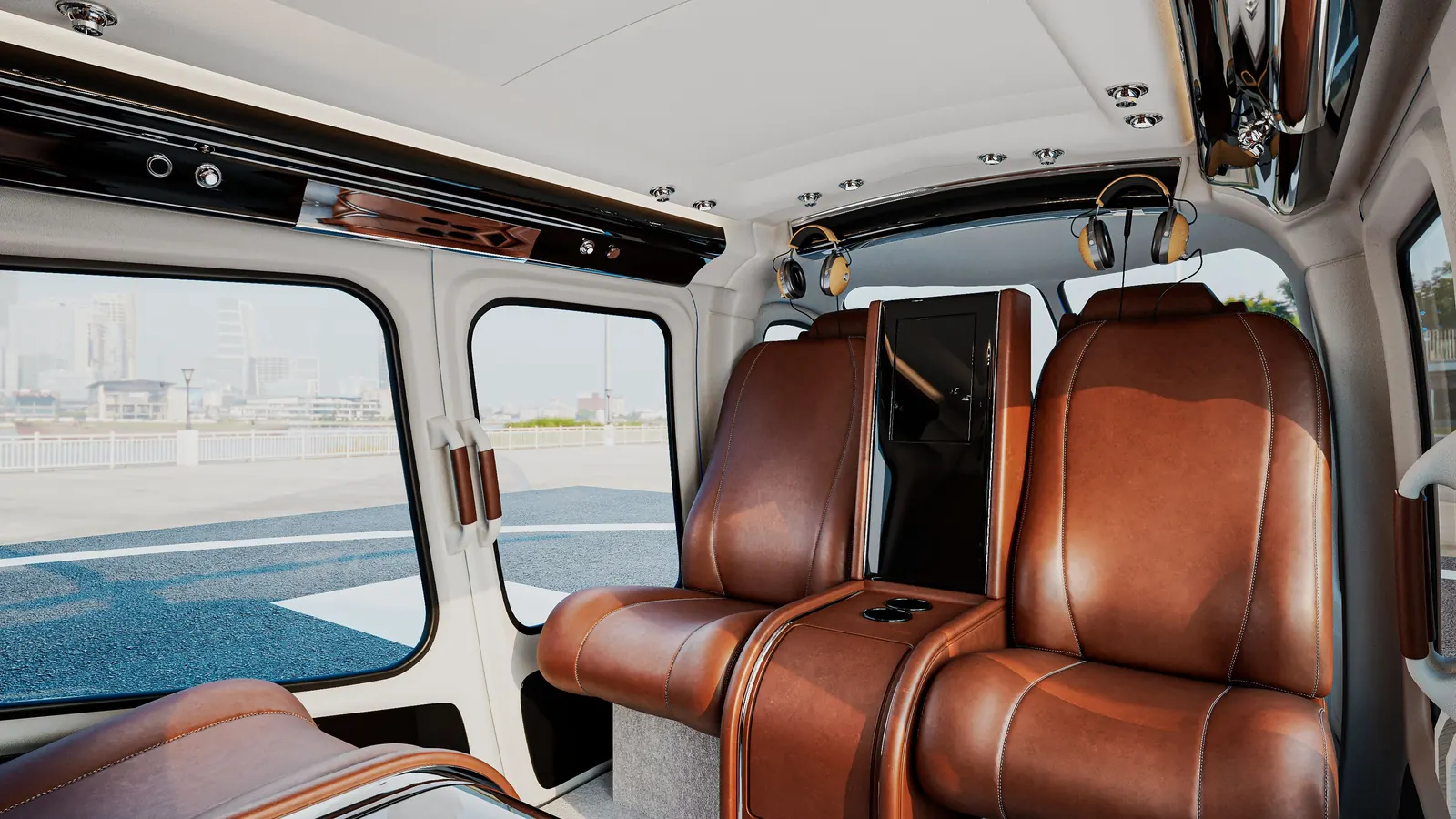
Executive helicopters add a cabin standard to all of that. For many passengers the windows are the point of the flight, and they are typically acrylic or polycarbonate, which scratch and haze easily. Window care therefore leads our helicopter scope: dedicated product, dedicated cloths, and no dry wiping of a dusty canopy.
Rotor components are cleaned cosmetically and only as far as the crew or maintenance provider allows. We do not adjust, lubricate or inspect anything for airworthiness. Where we notice something that looks wrong, such as fresh oil or a damaged blade surface, we tell the people responsible for the aircraft.
The scope
What it includes.Every surface, by name.
- Airframe dry wash
- Fuselage, tail boom and fins cleaned without water at pressure near ports, vents or seams.
- Canopy and windows
- Acrylic and polycarbonate cleaned with non-abrasive, non-solvent product and dedicated microfibre.
- Rotor hub and blades
- Cosmetic cleaning of hub surfaces and blades, as directed by crew or maintenance.
- Exhaust and tail boom
- Exhaust deposits removed from cowlings and tail boom with pH-buffered product.
- Skids, gear and belly
- Skids, steps and lower fuselage cleaned of mud, grass and ramp grime.
- Cabin interior
- Seats, carpets, trim and doors detailed to their material, as in a jet cabin.
- Cockpit
- Displays, panels and placards cleaned with non-solvent product, with nothing reconfigured.
Why the method matters
The differenceis in what you don't see.
- I
Dusty acrylic scratches
Wiping grit across a canopy leaves fine scratches that catch the sun. Lubrication and fresh cloths prevent them.
- II
Rotor wash recirculates grime
Every landing on a field or pad re-coats the airframe. Regular light cleaning stops it building into staining.
- III
Rotor components belong to maintenance
Cosmetic work stops where airworthiness begins. A clear scope protects the aircraft and the operator.
- IV
Hangar space is tight
Helicopters are often parked closely in shared hangars. We work within the space without moving aircraft.
The process
How we workon your aircraft.
Most executive helicopters can be detailed within a single ground window. Heavier rotor-wash soiling or a full cabin detail may need longer.
- I
Scope with the crew
Agree which rotor and engine areas may be cleaned, and confirm covers and blade tie-downs are in place.
- II
Upper surfaces first
Rotor hub area and upper cowlings cleaned first, so residue falls onto areas not yet done.
- III
Airframe and tail boom
Dry wash of the airframe, with exhaust deposits treated separately.
- IV
Skids and belly
Lower surfaces and skids or gear cleaned cosmetically.
- V
Glazing and cabin
Windows inside and out, then the cabin and cockpit.
- VI
Walkthrough
A final review with the pilot or operator before we leave.
Airframes
Matched to the aircraft,not applied generically.
Questions
Asked by ownersand flight departments.
Do you clean helicopter rotor blades?
Cosmetically, yes, and only as directed by the crew or maintenance provider. We clean blade and hub surfaces with suitable product and soft materials. We do not work on erosion protection beyond gentle cleaning, apply anything not approved for the blades, or inspect them for airworthiness. Anything that looks damaged is reported, not treated.
How do you clean helicopter windows without scratching them?
By never wiping a dusty canopy dry. Loose grit is lifted with a lubricated, acrylic-safe cleaner and plenty of fresh microfibre, working in straight passes. Ammonia-based glass cleaners and solvents are never used, because they haze and craze acrylic over time. Existing scratches are noted for the operator; removing them is a separate, careful task.
Which helicopters do you detail?
Our published fleet list includes the Airbus ACH130 and H145 and the Sikorsky S-76, and our methods apply to other civil and executive helicopters. If your type is not listed, contact us with the model and its location, and we will discuss the scope and confirm whether it fits our schedule.
Can you remove exhaust staining from the tail boom?
Yes. Turbine exhaust settles along the tail boom and engine cowlings and bakes on over repeated flights. We use a pH-buffered remover with dwell time and soft materials, which lifts the deposit without stressing the paint. Regular cleaning stops the staining from becoming permanent discolouration.
Where do you detail helicopters?
At FBOs and private hangars across the Greater Toronto Area and the Ontario regions we serve, including Waterloo Region, Hamilton, Ottawa, Muskoka and London. The helicopter does not need to be repositioned. We coordinate access with your operator, management company or the facility, and work within shared hangar space without disturbing other aircraft.
Is helicopter cabin detailing different from jet cabin detailing?
The materials are similar: leather, carpet, trim and plated hardware. The differences are exposure and access. Helicopter cabins take in more dust through rotor wash and open doors, and they usually have larger window areas in tighter spaces. We adapt the order of work and protect the cockpit and avionics more closely in a smaller cabin.
Often paired with
Related services.
 Exterior dry washWaterless exterior cleaning that keeps moisture out of ports, hinge lines and panel seams.
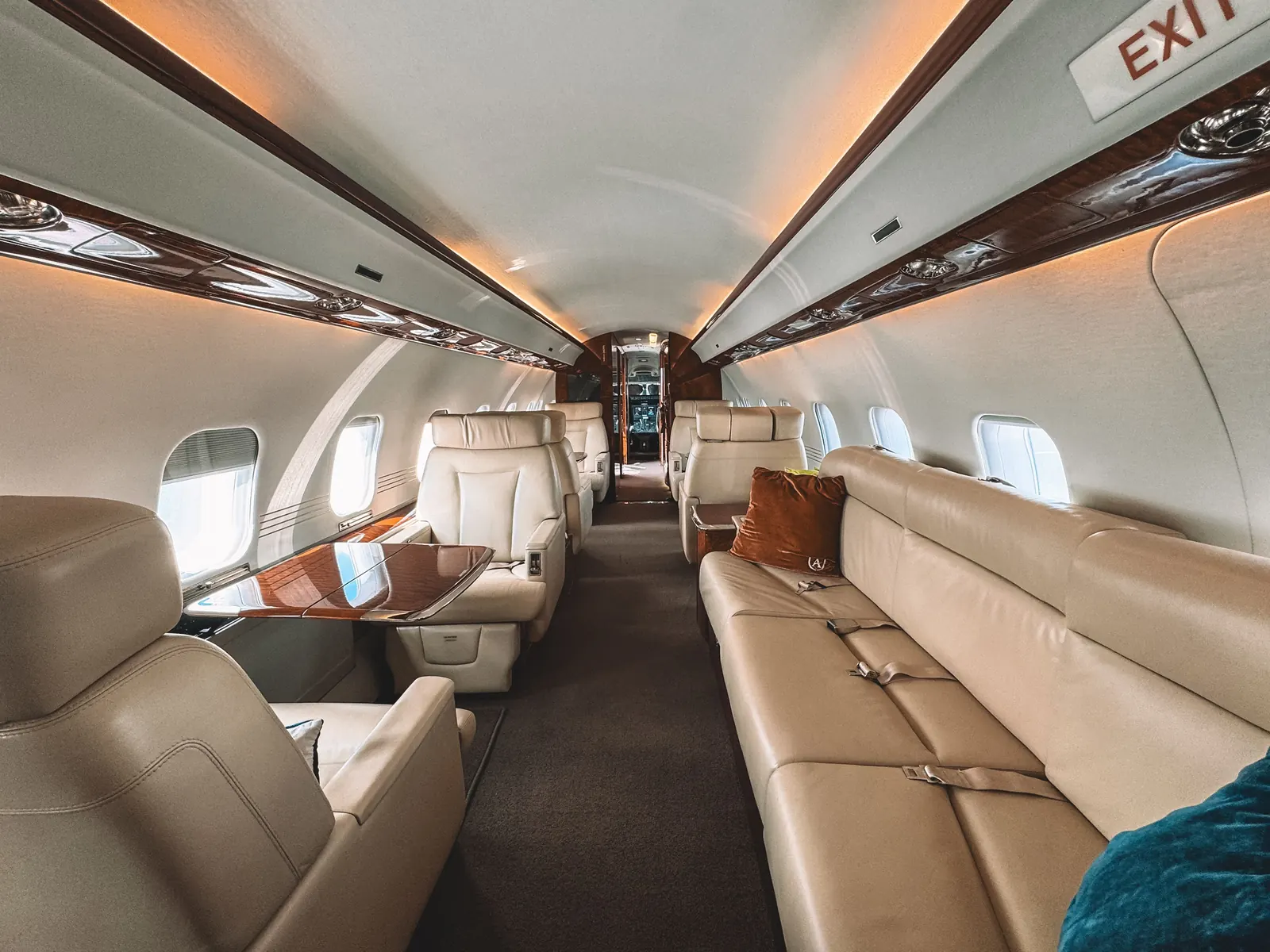 Cabin interior detailingSeating, veneers, carpets, headliners and sidewalls, each cleaned with product matched to the material.
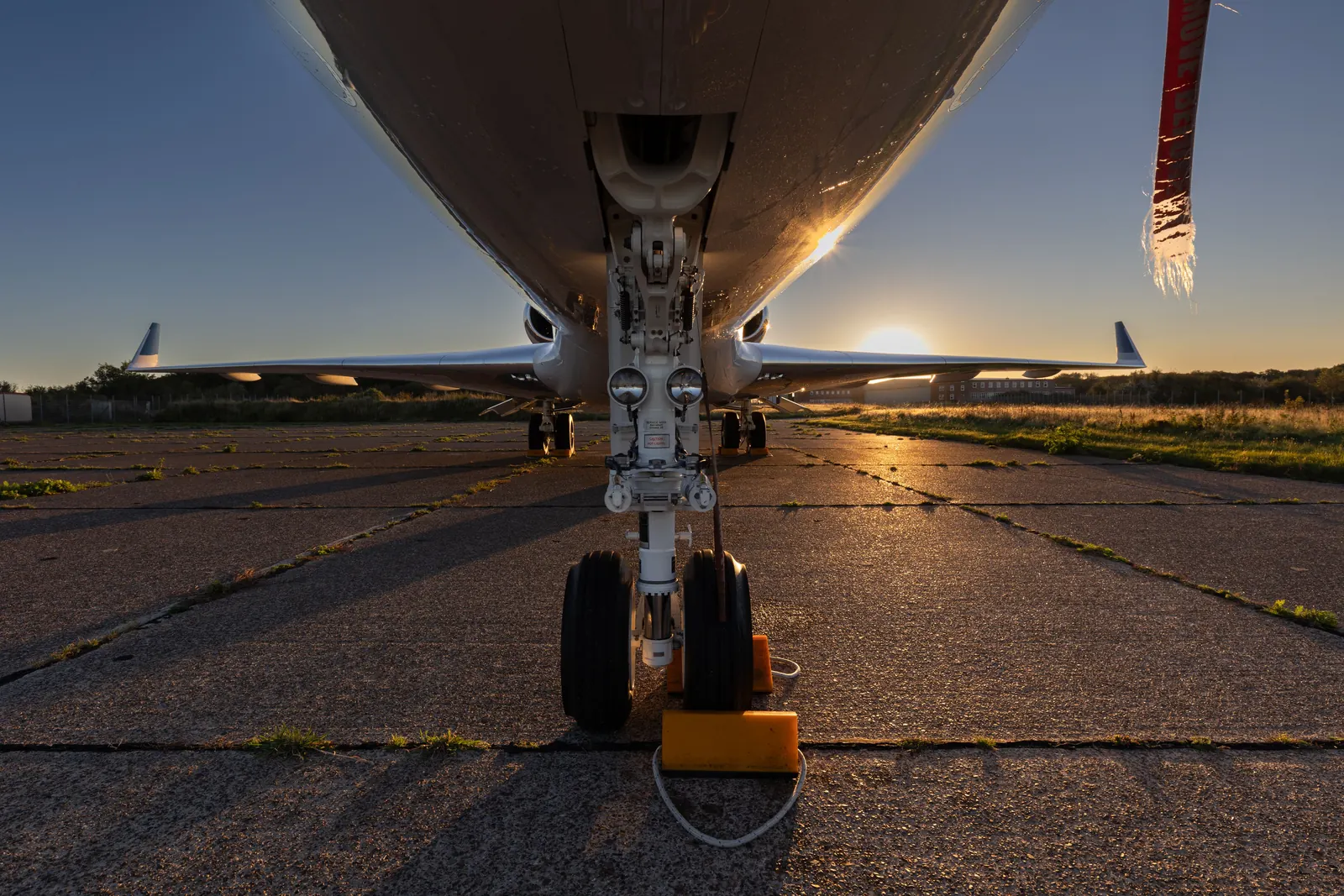 Belly and exhaust track cleaningExhaust soot, hydraulic staining and runway grime removed from belly panels and trailing surfaces.
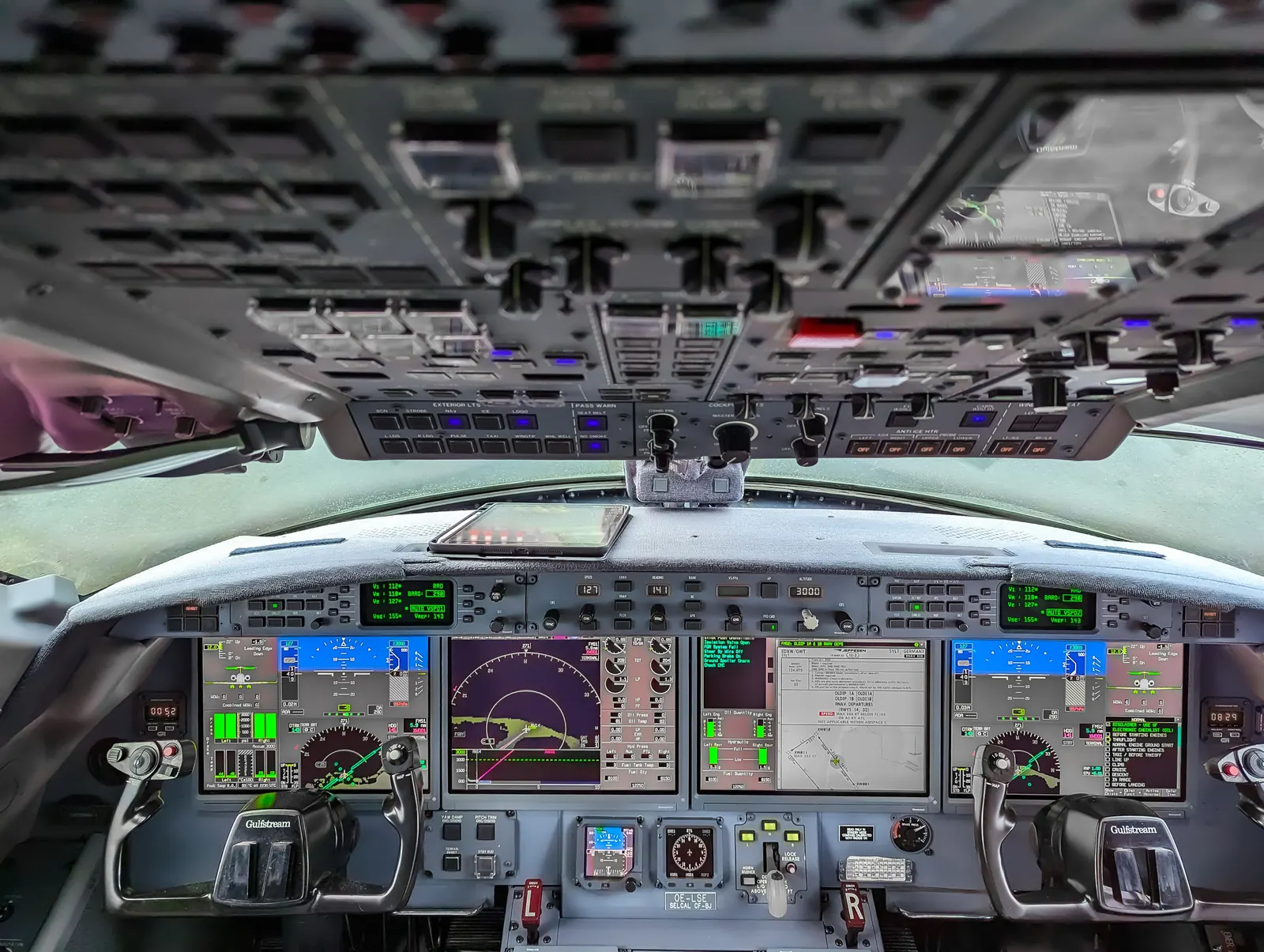 Cockpit and placard careNon-solvent cleaning for flight-deck panels, displays, placards and acrylic, with every switch left as found.
From the journal
Further reading.
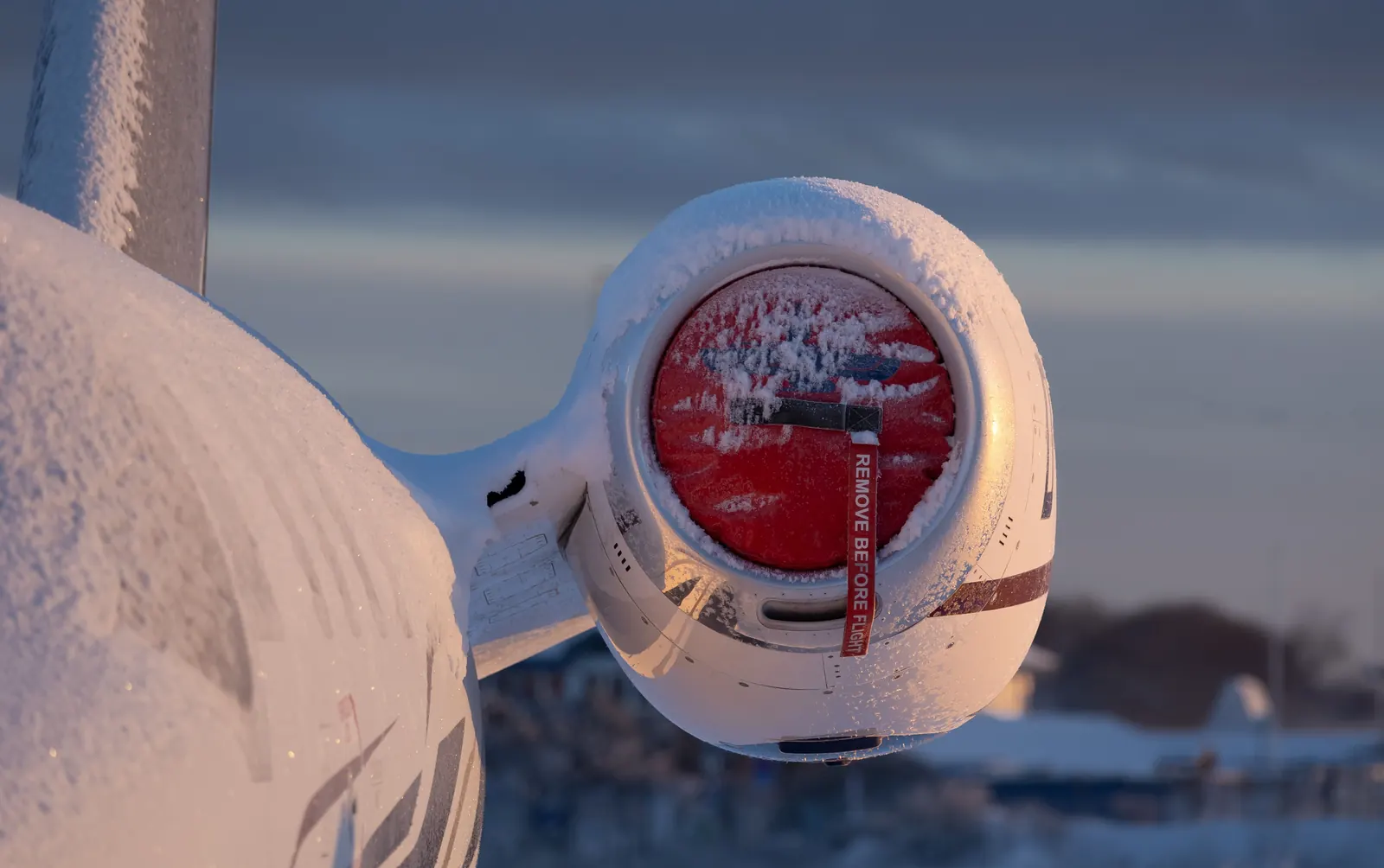 Exterior · 7 min readDry wash vs wet wash: which is right for a private jet?For routine cleaning of a private jet, a dry wash is usually the better choice: lubricated waterless products and microfibre lift light to moderate dirt without driving water into static ports, hinges and panel gaps, and without runoff. A wet wash remains the right tool for heavy grime, thick deicing residue or badly soiled bellies.
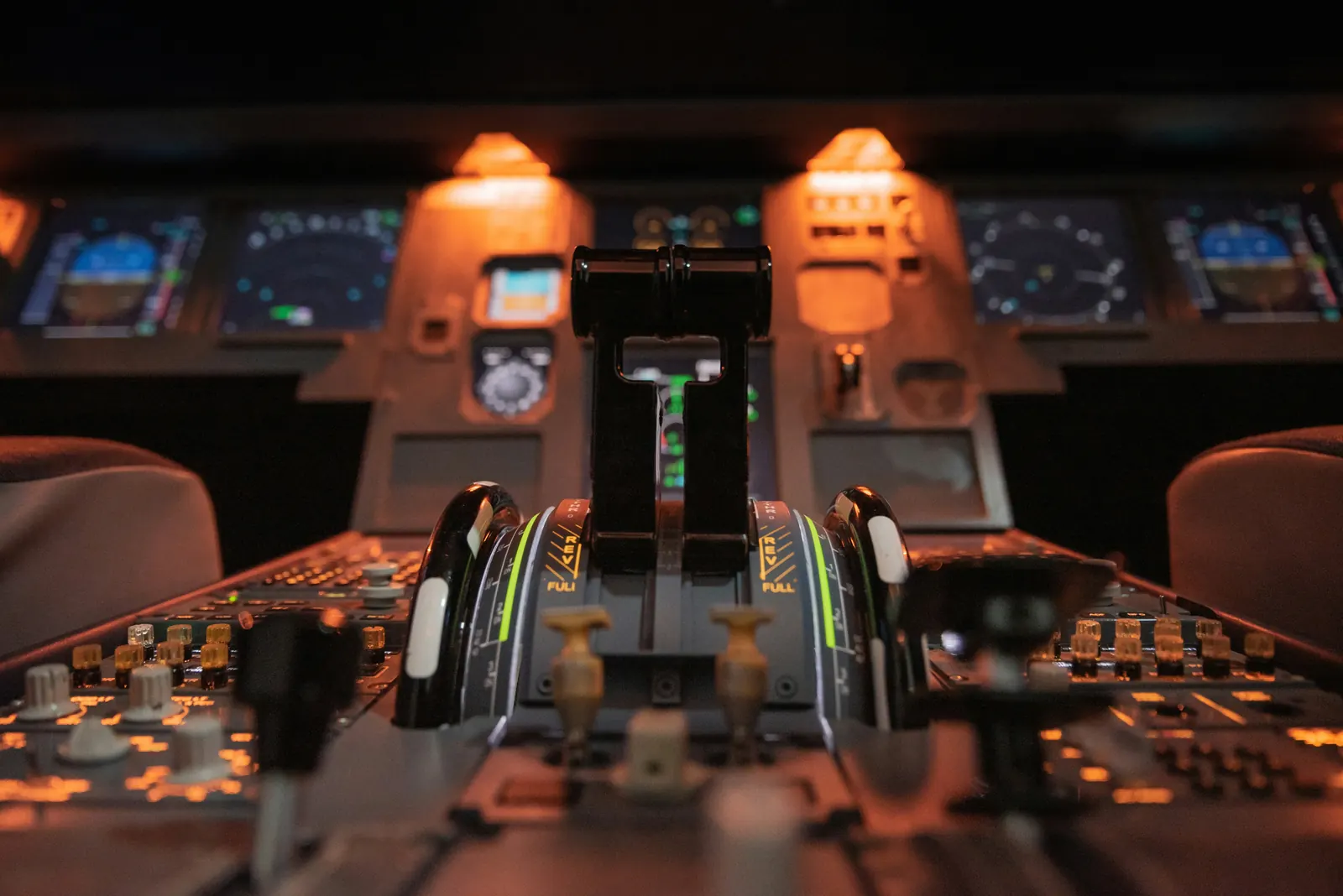 Cabin · 7 min readHow to clean cockpit screens and placards safelyClean cockpit screens by dampening a clean microfibre with a display cleaner the avionics or aircraft manufacturer approves, or distilled water, and wiping gently with the unit off where practical. Never spray directly onto a display or panel. Avoid ammonia, alcohol-heavy cleaners, solvents and paper towels, which can damage anti-reflective coatings, haze acrylic and lift placard lettering.

Private consultation
Exceptional care begins here.
A short, confidential conversation about your aircraft, your operation and your ground windows. A written scope follows, never a price list.