The short answer
A pre-charter turnaround is a rapid presentation detail done between flights so the next passengers board a cabin that looks unused. It typically covers waste removal, galley and lavatory sanitation, high-touch surfaces, vacuuming, leather and veneer touch-up, soft goods and an exterior presentation wipe. It is scheduled inside the ground window and coordinated with dispatch, crew and the FBO.
Key takeaways
- A turnaround resets the aircraft between trips; it is not a full detail.
- Duration depends on aircraft size and how the previous trip left the cabin, so it is planned to the ground window.
- Dispatch or operations sets the timing; the FBO provides access and line services; the detailer delivers the cabin.
- Line services such as fuelling, lavatory waste servicing and catering stay with their own providers.
- A written turnaround standard for each aircraft type keeps presentation consistent across the fleet.
In charter, every passenger meets the aircraft for the first time. They do not know that it landed two hours ago after a long trip with six people and a dog. They only see whether the cabin looks ready. A pre-charter turnaround is the work that makes the answer yes, done quickly, in a fixed order and to a written standard.
What a turnaround includes
Every operator has its own standard, but most turnarounds cover the same core list, adjusted for the aircraft type.
Cabin
- Remove all waste, including from seat pockets, side ledges and under seats.
- Wipe tables, ledges, armrests, window surrounds, switches and other high-touch surfaces.
- Clean veneers and high-gloss surfaces with products suited to their lacquer.
- Touch up leather on armrests, headrests and seat edges.
- Vacuum carpets, seat crevices and entry areas; spot-treat fresh marks.
- Clean cabin windows and mirrors with products safe for acrylic.
- Present soft goods such as blankets, pillows and headrest covers to the operator's standard.
Galley and lavatory
- Sanitise galley counters, drawers, handles and appliance exteriors.
- Clean and sanitise the lavatory: bowl and surround, basin, taps, mirror, surfaces, door handles and floor.
- Restock consumables to the operator's list if the detailer is asked to do so.
Cockpit and exterior
- Light cockpit clean where the crew permits: screens, glare shield and touch points, with non-solvent products.
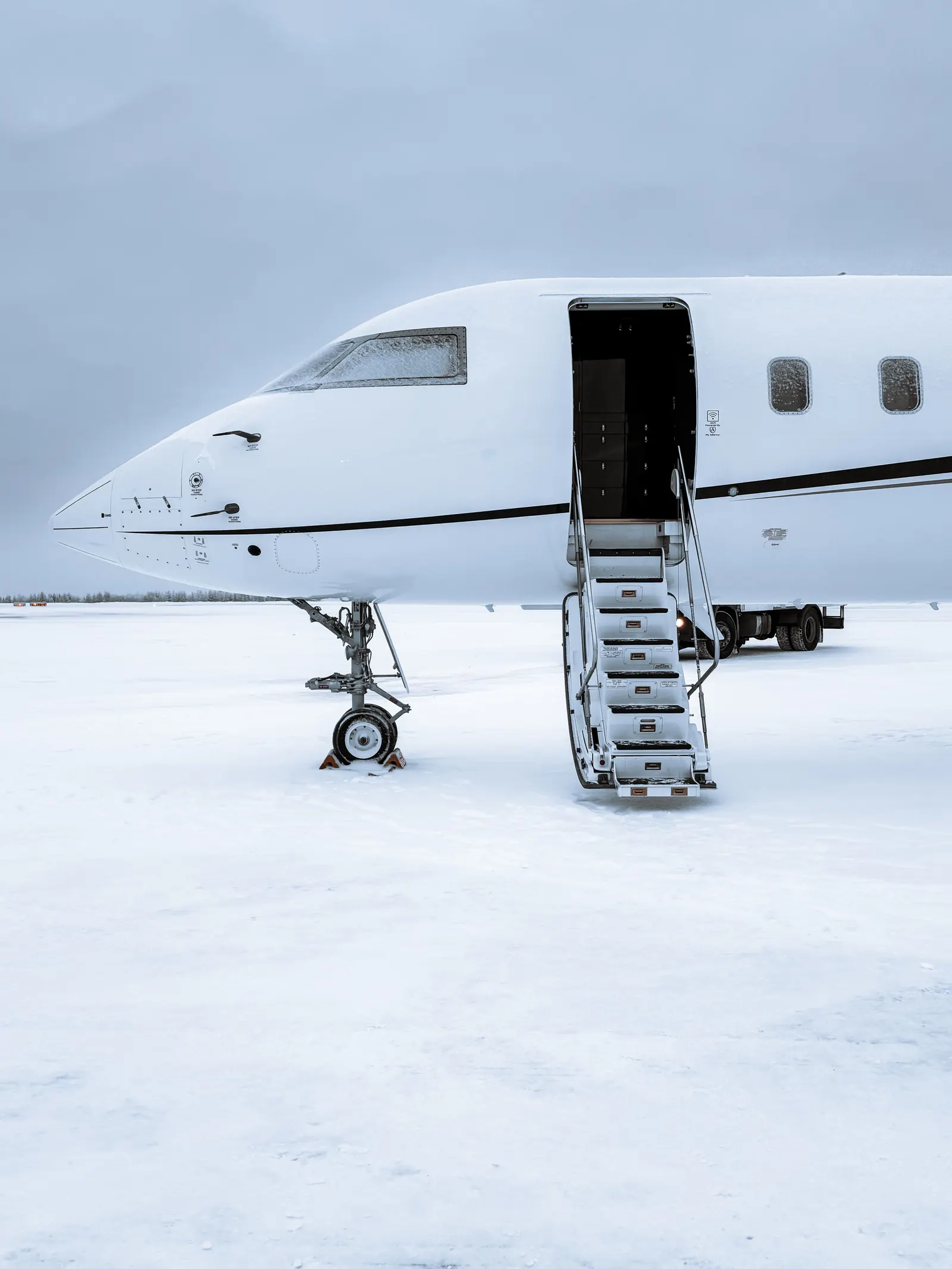
- Exterior presentation wipe of passenger-facing areas such as the door, airstair, entry handrails and nearby windows.
- Remove obvious fresh bug or soot marks on the visible side of the aircraft, time permitting.
What a turnaround is not
A turnaround is not lavatory waste servicing, potable water servicing, fuelling, catering or a maintenance check. Those are handled by the FBO line team, the caterer and the crew or maintenance provider. Keeping these responsibilities separate avoids confusion and makes it clear who signs for what.
How long it takes
There is no honest single answer. A light jet after a short leg with two passengers may need relatively little. A large-cabin aircraft returning from a multi-day international trip with a full cabin needs much more, especially in the galley and lavatory. The deciding factors are aircraft size, number of passengers on the previous trip, catering service on board, and how much the crew tidied before leaving.
In practice, the turnaround is planned backwards from the time the aircraft must be ready, which is usually before crew arrival rather than passenger arrival. If the window is too short for the full standard, the detailer should tell operations what will be prioritised, normally the lavatory, galley and passenger seats, and what will be picked up at the next opportunity.
Who coordinates what
| Party | Typical responsibility |
|---|---|
| Dispatch or operations | Sets the ground window and ready time; passes on schedule changes; confirms the turnaround standard |
| Crew | Reports items needing attention; confirms what may be touched in the cockpit; accepts the aircraft |
| FBO | Provides access, hangar or ramp position, line services such as fuelling and lavatory servicing |
| Caterer | Delivers and removes catering to the operator's order |
| Detailer | Delivers the cabin, galley, lavatory and exterior presentation to the agreed standard and reports issues |
The most common cause of a poor turnaround is not slow work. It is a sequencing problem: catering arriving while the galley is still being cleaned, lavatory servicing not yet done when the detailer needs to finish the floor, or the aircraft towed mid-clean. A short call between operations, the FBO and the detailer before a tight turnaround solves most of these.
The order of work
Good turnarounds follow a consistent sequence, so nothing is missed and clean areas are not re-soiled. Generally that means waste out first, then galley and lavatory, then top-to-bottom cabin surfaces, then floors, then presentation, finishing at the door. Working from the back of the cabin forward means the technician exits through finished space only once.
Setting a standard per aircraft
Consistency is what makes charter feel premium. The same aircraft type should present the same way every time, whichever technician did the work. A written turnaround standard per type, ideally with reference photos the operator approves for internal use only, removes guesswork: how blankets are folded, where amenities sit, which items are restocked and by whom, and what the crew want left untouched.
Same-day and overnight turnarounds
Turnarounds come in two broad shapes. A same-day turnaround happens between a landing and a departure a few hours later, often with the crew nearby and the FBO busy. Everything is about sequencing and priority. An overnight turnaround gives more time but brings its own constraints: hangar access after hours, the need to have the aircraft closed and secure before the crew return, and sometimes a cold cabin in winter that needs warming before leather can be treated.
For overnight work, it helps to agree in advance how the detailer will access the aircraft and hand it back, whether the crew want the cabin left with shades up or down, and whether lighting and power are available. For same-day work, the key is a clear ready time and a single contact who can approve priorities if the window shrinks.
Common turnaround failures
- Soft goods presented differently from one trip to the next, which passengers notice on repeat flights.
- Waste missed in seat pockets, side ledges or the galley bin.
- Lavatory floor edges and the area behind the toilet left untouched.
- Streaks on veneer from using the wrong product or a dirty cloth.
- Window acrylic smeared or scratched by paper towels.
- Crew items moved and not returned to where they were left.
Most of these are solved by a written standard and a consistent team. When the same technicians handle the same aircraft regularly, they learn what the crew expects and where problems hide.
What to put in a turnaround standard
- The list of tasks by zone: cabin, galley, lavatory, cockpit if permitted, entry and exterior.
- Presentation details: blanket and pillow placement, amenity layout, headrest covers.
- Who restocks what, and where supplies are kept.
- Items the crew want left untouched.
- Products approved for each surface.
- The contact for questions and how completion is confirmed.
Hygiene standards in the galley and lavatory
The galley and lavatory deserve their own discipline within a turnaround. Cloths and gloves used in the lavatory should never travel to the galley, and a simple colour-coding of microfibre by zone prevents it. Sanitising products must suit aircraft materials: some disinfectants damage plated taps, acrylic mirrors or lacquered surfaces, so products should be chosen with the interior in mind and applied according to their contact time rather than sprayed and wiped straight off.
Food-contact surfaces in the galley, such as counters, drawers and the inside of serving areas, should be cleaned and sanitised before catering arrives, not after. That is one more reason the sequence between the detailer and the caterer matters on a tight turnaround.
Turnarounds and deeper details
Turnarounds keep the aircraft presentable. They do not replace periodic full details. Leather still needs proper cleaning and conditioning, carpets need extraction, and the exterior needs a dry wash and belly cleaning on an interval. Operators who rely only on turnarounds tend to see wear accumulate quietly until it becomes visible to passengers.
Our Turnaround package at Noctavius Aviation covers cabin reset, galley and lavatory sanitation and an exterior touch-up and brightwork wipe, scheduled to the window your operations team confirms.
Related services