

London and southwestern Ontario
Many legs, few long trips.Detailing for regional workhorses.
Business aircraft around London cover a wide, spread-out territory. Short legs wear an aircraft differently, and the detailing interval should follow that.
Aircraft detailing in London
Noctavius Aviation details business aircraft in London and across southwestern Ontario, by arrangement at London International and regional fields such as St. Thomas, Stratford and Sarnia. Intervals are set by cycles rather than the calendar, since frequent short legs build exterior contamination and cabin wear quickly. All work is cosmetic and quoted in writing.
London
The localpicture.
Southwestern Ontario is wide, agricultural and served thinly by airline schedules. Business aircraft here exist to reach places a commercial timetable does not: plants in small towns, agribusiness operations, hospitals and research sites, and customers across the border in Michigan and Ohio. An aircraft based around London may fly four or five short legs in a day and then sit for a week.
That pattern drives wear. More takeoffs and landings per flight hour mean more gear and flap cycles throwing grime onto the belly and lower fuselage, more door openings and more passengers boarding with whatever the day’s site visit left on their shoes. Gravel and dust from rural operations and the farm fields around regional airports add to it, particularly in planting and harvest seasons.
We set intervals by how the aircraft is used rather than a calendar date, and we schedule outside the flying day where possible. An early-morning or evening cabin reset at the hangar means a multi-leg day starts with a clean aircraft without losing any of its time.
Why it matters here
Intervals matched to high-cycle flying
Two aircraft with the same hours can need very different attention if one flies many short legs. We look at cycles, passenger loads and where the aircraft has been operating, then propose a schedule that keeps the cabin and belly ahead of the wear rather than catching up with it.
Airfields
Where we work,by arrangement.
Access is coordinated with your flight department, management company or the FBO for each visit. The aircraft stays where it is.
- London International Airport (CYXU)
- St. Thomas Municipal Airport (CYQS)
- Stratford Municipal Airport (CYSA)
- Sarnia Chris Hadfield Airport (CYZR)
Services
Available in London.
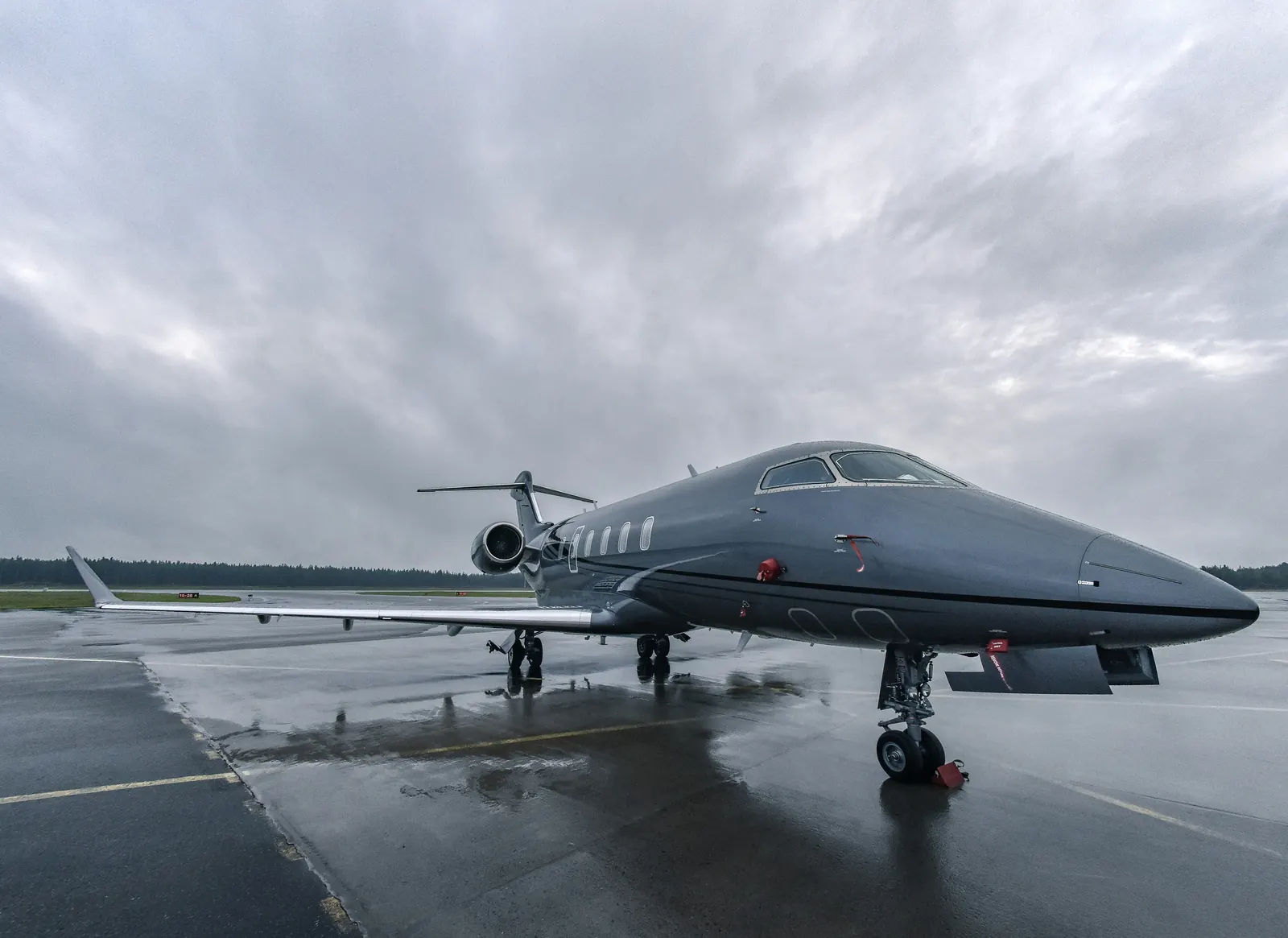 Exterior dry washWaterless exterior cleaning that keeps moisture out of ports, hinge lines and panel seams.
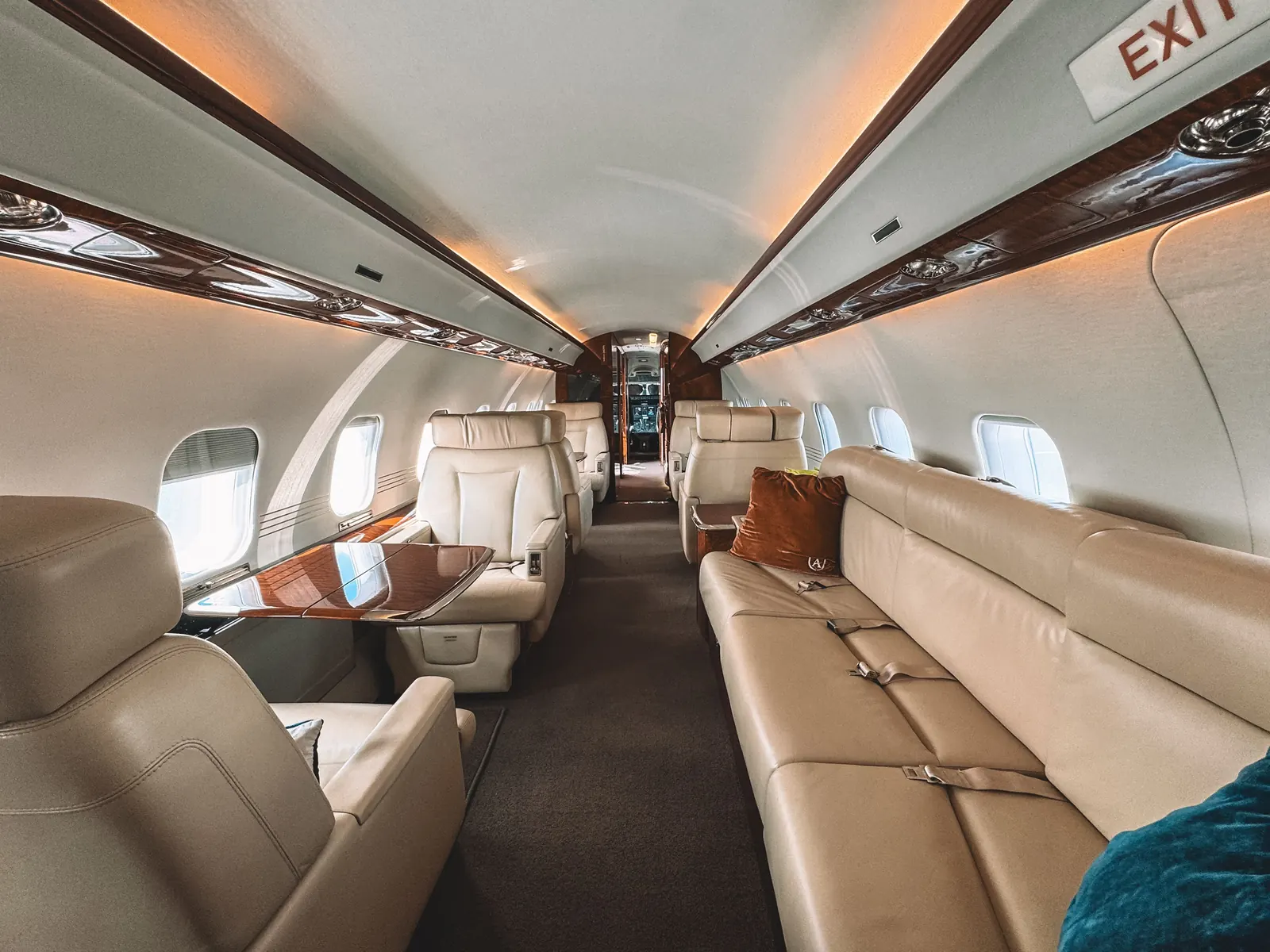 Cabin interior detailingSeating, veneers, carpets, headliners and sidewalls, each cleaned with product matched to the material.
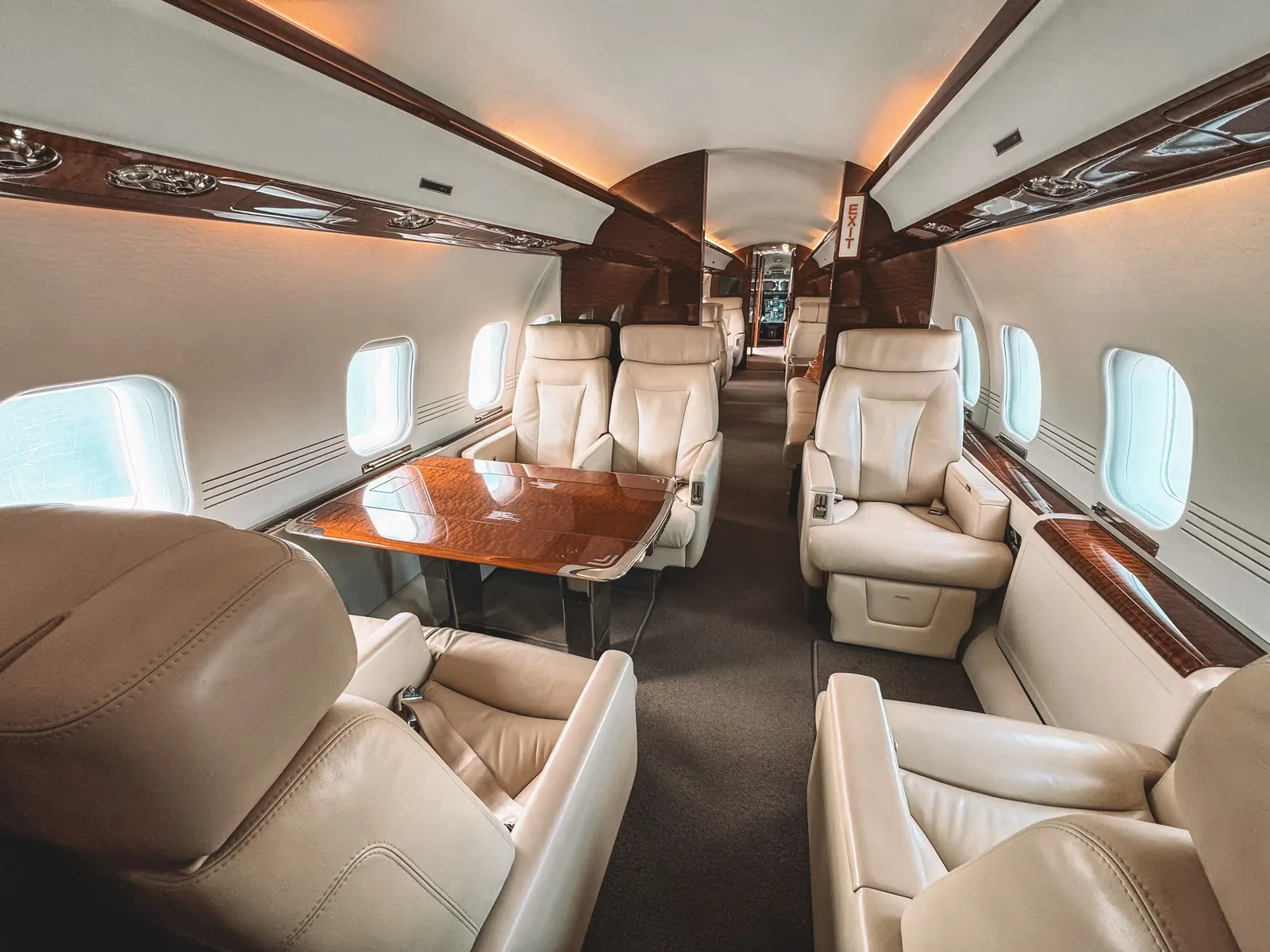 Aircraft leather careCleaning and conditioning for thin, finished aviation hide, without tackiness or premature cracking.
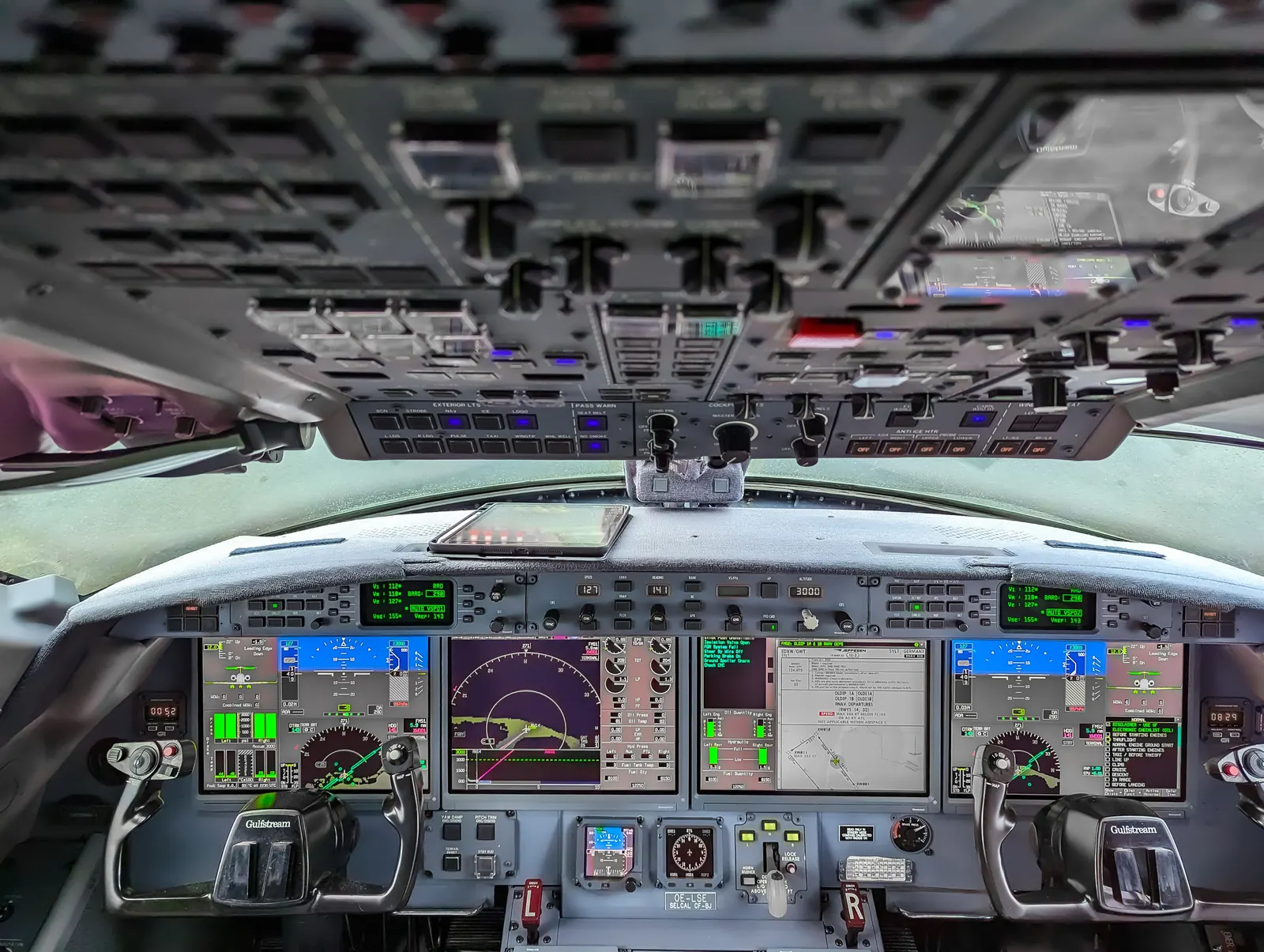 Cockpit and placard careNon-solvent cleaning for flight-deck panels, displays, placards and acrylic, with every switch left as found.
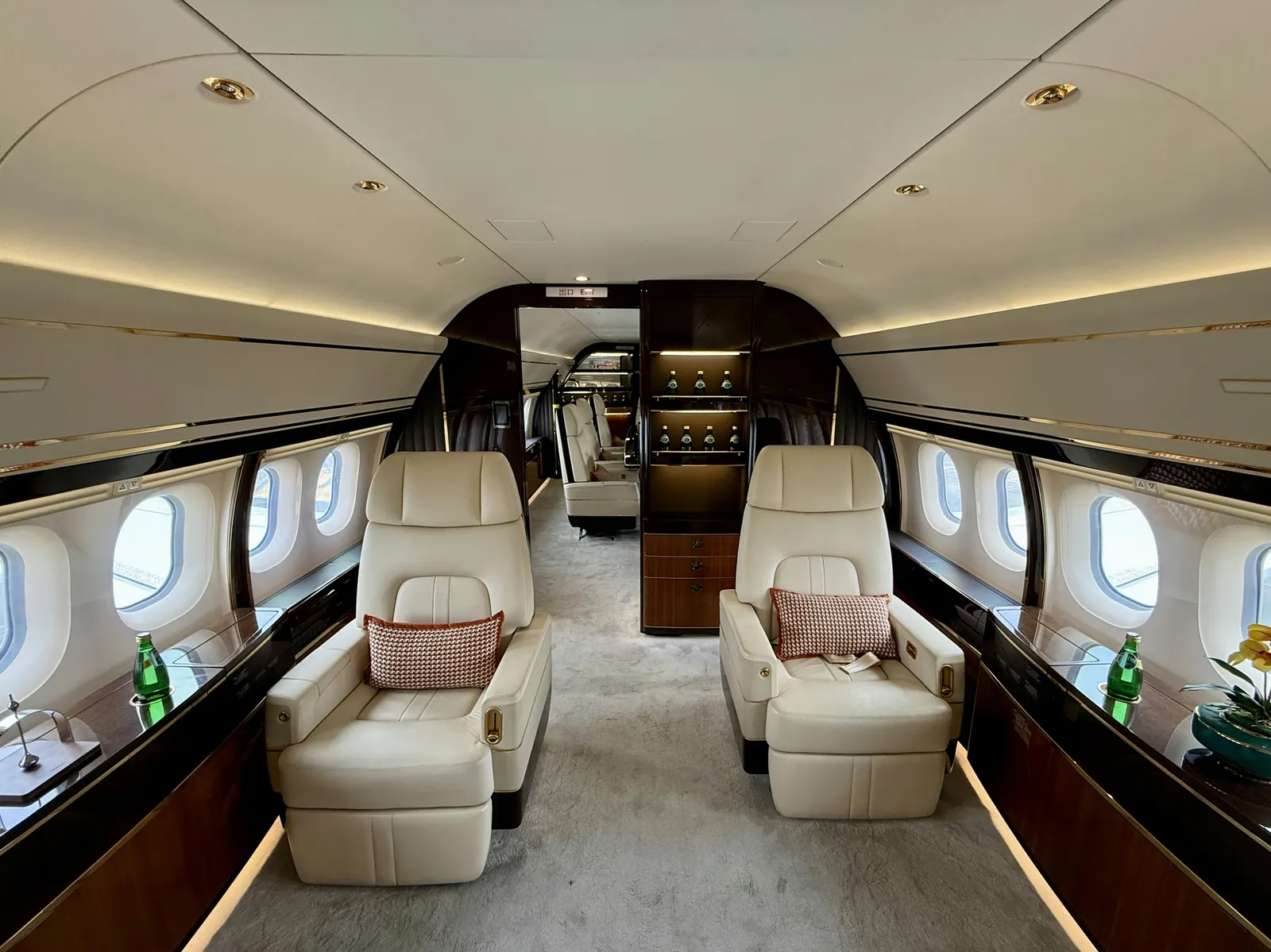 Galley and lavatory sanitationHygiene-level cleaning of galley surfaces, appliances and lavatories, left ready for passengers.
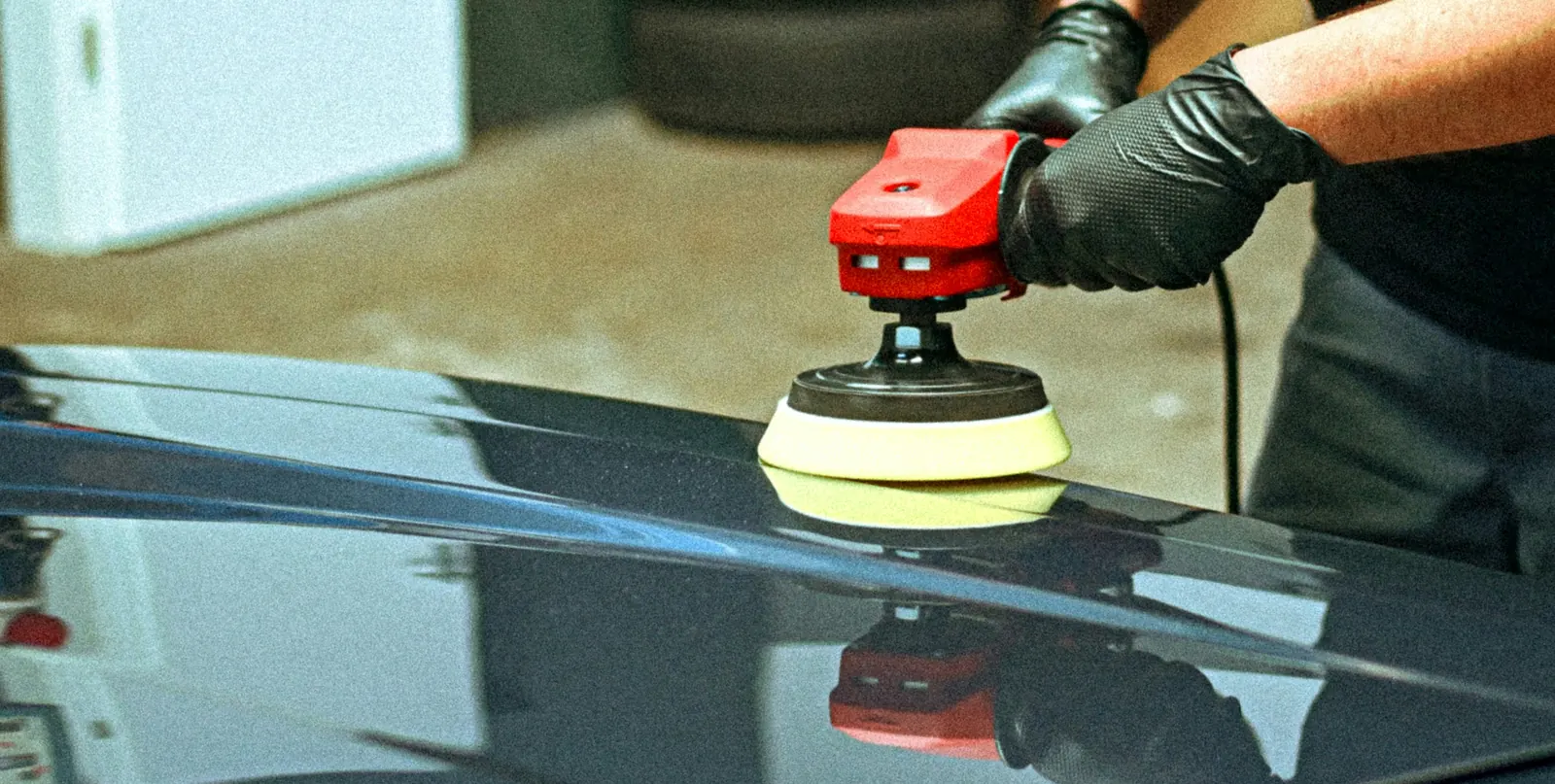 Paint correction and brightworkMeasured machine polishing of aircraft paint and bright metal, only where the coating can spare it.
Questions
Detailing in London.
Why does an aircraft flying short regional legs need more frequent detailing?
Each cycle adds boarding traffic, door use and lower-fuselage contamination from takeoff and landing. An aircraft flying many short legs accumulates wear faster per flight hour than one flown on long sectors, so a cycle-based interval keeps it presentable.
Can you detail the aircraft outside our flying day?
Yes, by arrangement with the hangar owner or FBO. Early-morning and evening details are common for aircraft that fly several legs during the day.
Do you travel to smaller airports around London?
Yes. St. Thomas, Stratford, Sarnia and other southwestern Ontario fields are attended by arrangement with the operator or hangar owner, with access confirmed before each visit.
Does rural operation affect the aircraft exterior?
It can. Dust and fine gravel from field operations and surrounding farmland collect on the belly, gear area and lower panels. Regular belly cleaning, with dry wash methods on painted surfaces, keeps it from building into abrasive grime.
Can you work with an aircraft management company rather than the owner?
Yes. We work through whoever holds operational control, whether that is the owner, a management company or a flight department, and follow their procedures for access and sign-off.
Also serving
Across Ontario.
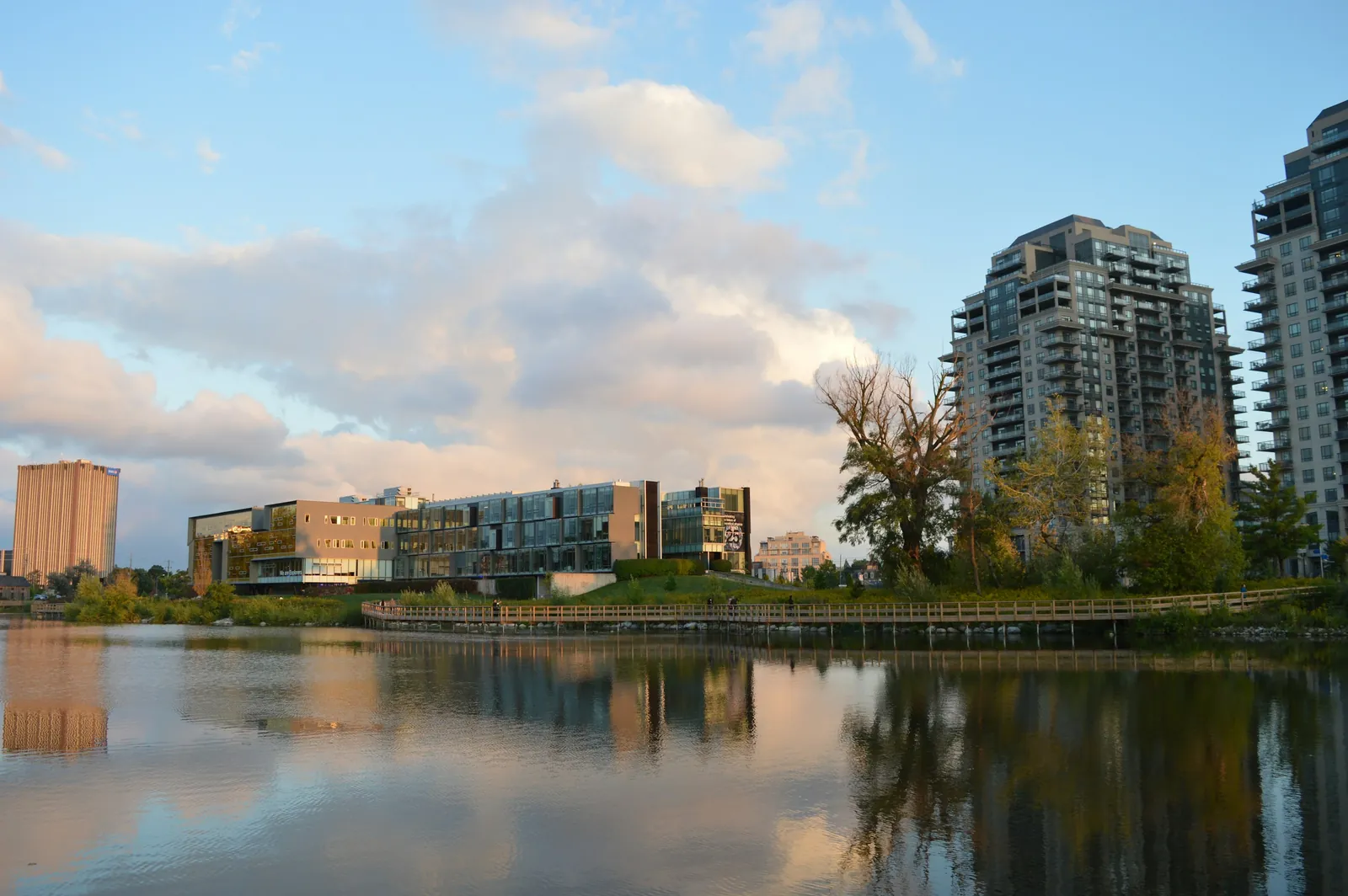 Waterloo RegionNoctavius Aviation details owner-flown and crewed aircraft across Kitchener, Waterloo and Cambridge, by arrangement at Region of Waterloo International and nearby fields. Scopes are built around short ground windows between legs, with dry wash exteriors, cabin and leather care and cockpit cleaning using non-solvent products. All work is cosmetic and quoted in writing.
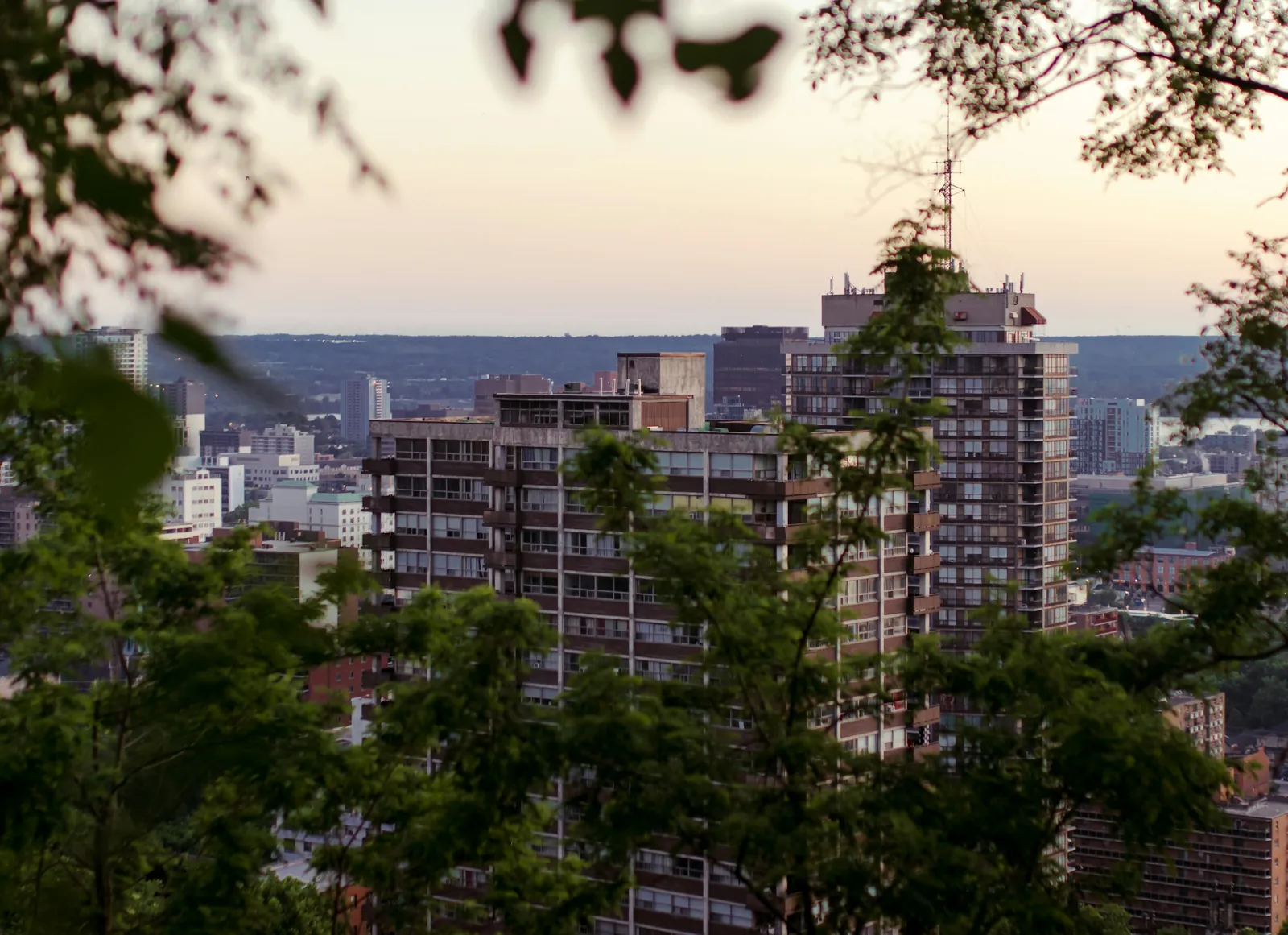 HamiltonNoctavius Aviation details private and corporate aircraft in Hamilton, Burlington and the Niagara area, by arrangement at John C. Munro Hamilton International and nearby fields. The work covers dry wash exteriors, cabin and leather care, galley and lavatory sanitation and pre-charter turnarounds, scheduled for based aircraft and for short unplanned stops alike.


Private consultation
Exceptional care begins here.
A short, confidential conversation about your aircraft, your operation and your ground windows. A written scope follows, never a price list.