
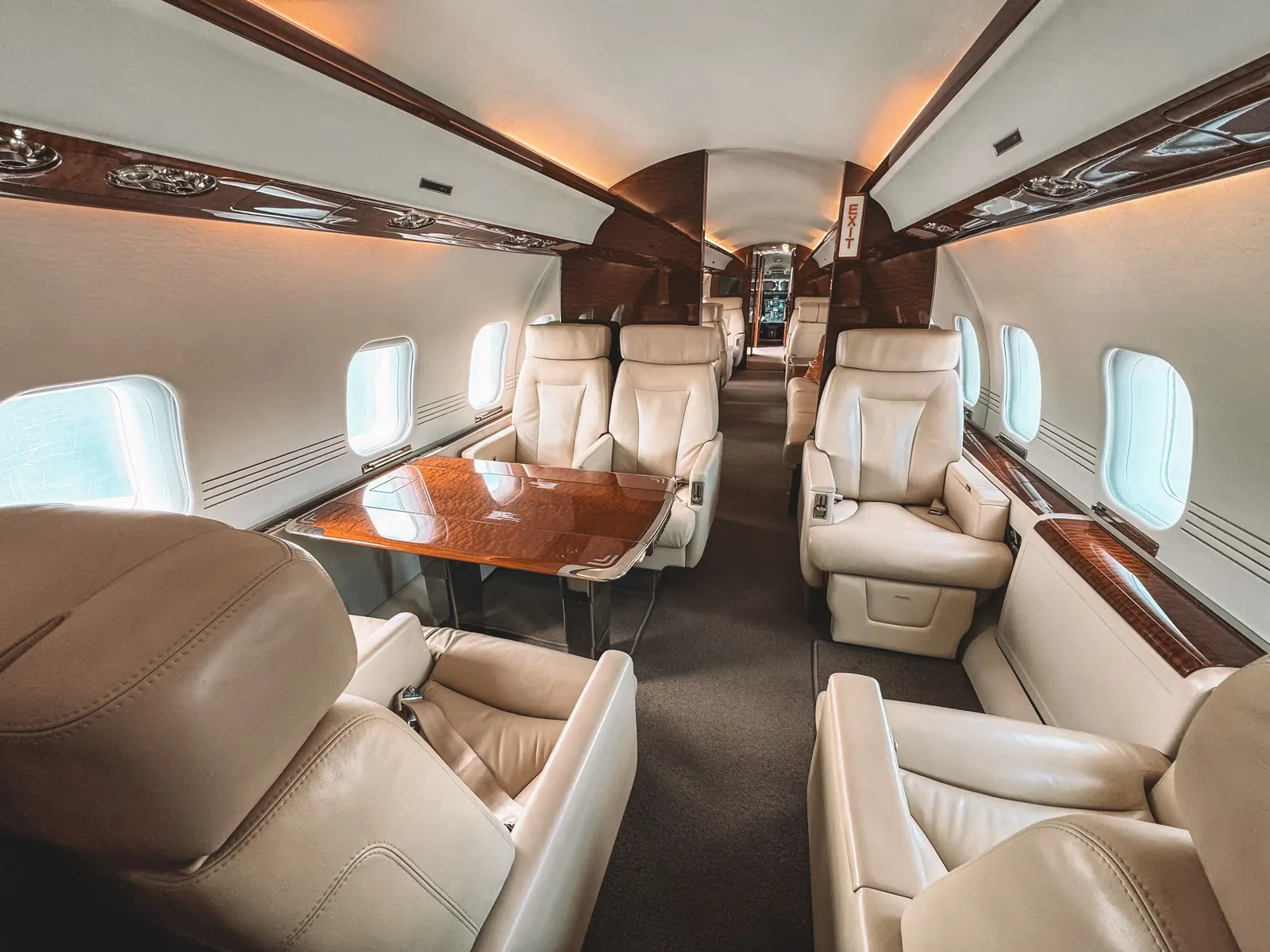
Leather care
Aviation hide is thinnerand less forgiving than it looks.
Cabin leather is cut light and finished heavily. It needs cleaning that respects the topcoat, and conditioning that never leaves it tacky.
- Can be completed alongside a cabin detail in the same ground window, or on its own as a lighter visit.
- At your FBO or hangar
- Confidential by default
What is aircraft leather care?
Aircraft leather care is the cleaning and conditioning of aviation-grade hide on seats, divans and trim. Noctavius Aviation uses products formulated for aircraft leather, which is thinner and more heavily finished than automotive hide, so seating stays clean and supple without the tackiness, shine or cracking that general-purpose conditioners can cause.
Overview
Aircraft leather caredone properly.
Weight drives every material choice in an aircraft, and leather is no exception. Aviation hides are typically thinner than those used in cars or furniture, and they carry protective finishes and treatments that help them meet flammability requirements. The result looks like any fine leather but reacts differently to cleaners and conditioners.
Most leather damage in a cabin happens slowly. Body oils, sunscreen and hand lotion build up on armrests and headrests. UV through the cabin windows dries the hide on the window side. Grit in the seams abrades the finish every time someone sits down. A disciplined cleaning and conditioning routine deals with all three before they become cracks or colour loss.
We assess every seat before touching it, test product somewhere out of sight, and work by hand. Where leather is already cracked, worn through the finish or faded, we document it. Colour repair and re-dyeing are trim-shop work, and we will tell you plainly when that time has come.
The scope
What it includes.Every surface, by name.
- Assessment and spot test
- Each seat checked for finish type, wear and existing damage, with product tested out of sight first.
- Seams and perforations
- Soft brushes and vacuum lift grit from stitching, piping and perforated panels without forcing product into the foam.
- Surface cleaning
- A pH-appropriate leather cleaner removes body oils, lotion transfer and soiling from high-contact areas.
- Conditioning
- A conditioner made for finished aviation hide, applied sparingly and buffed until no residue remains.
- Divans, armrests and trim
- Every leather surface in the cabin, including side ledges, armrests and leather-wrapped trim.
- Condition notes
- A record of cracking, colour loss or finish wear that may need a trim shop's attention.
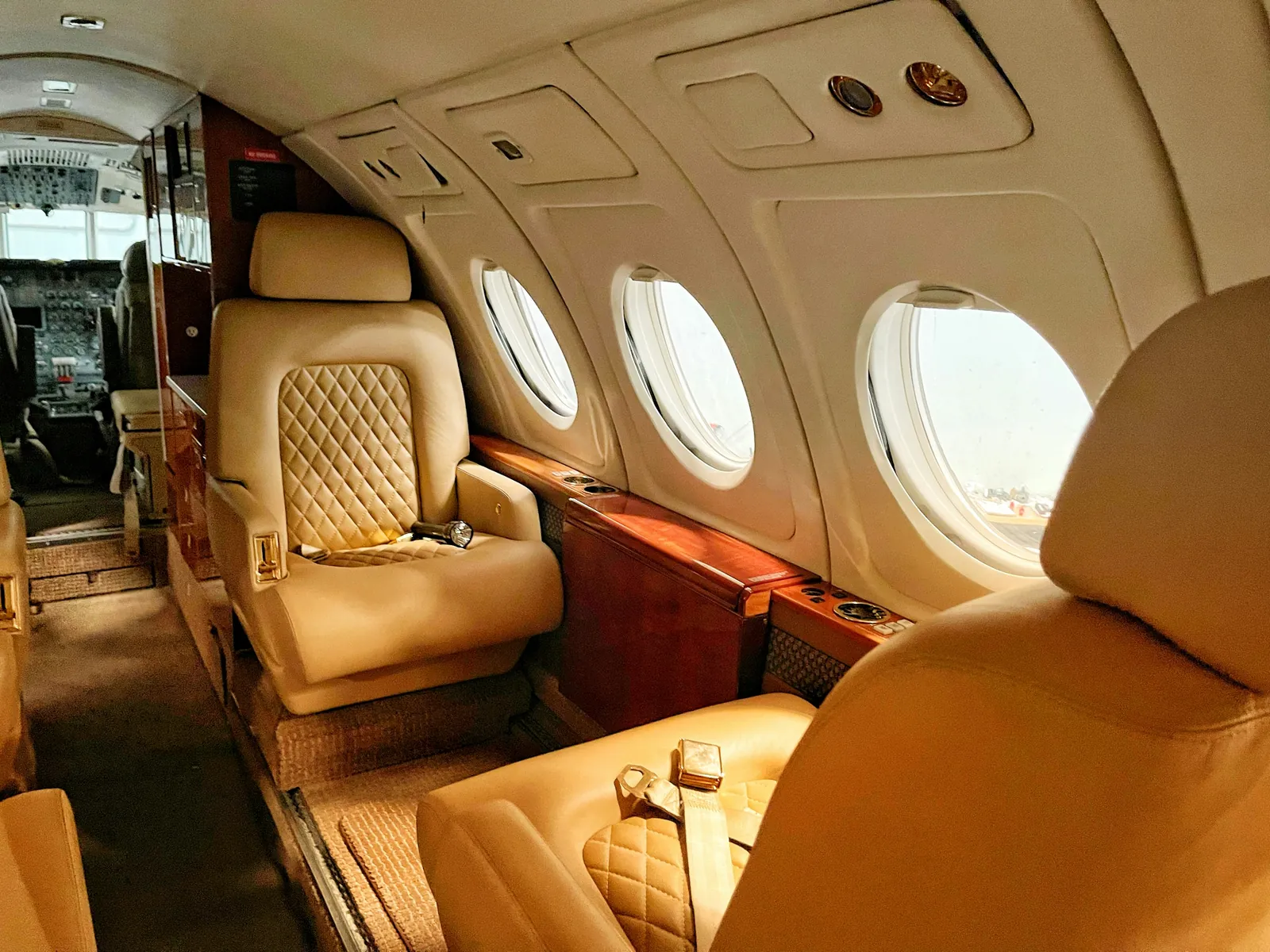
Why the method matters
The differenceis in what you don't see.
- I
Automotive conditioners overload thin hide
Heavy oils and silicones sit on a finished surface, turn tacky and attract dirt. Some speed up cracking.
- II
The finish is the protection
Aggressive cleaners strip the topcoat, after which the hide stains and wears quickly.
- III
Dry air and sunlight
Cabin air is very dry at cruise, and sun through the windows dries leather unevenly, most of all on the window side.
- IV
Re-covering is costly
New covers mean downtime and trim-shop work. Routine, correct care is the simplest way to defer it.
The process
How we workon your aircraft.
Can be completed alongside a cabin detail in the same ground window, or on its own as a lighter visit.
- I
Inspect
Finish, wear and damage recorded for each seat and leather surface.
- II
Test
Cleaner and conditioner tested in an inconspicuous spot before wider use.
- III
Dry clean seams
Brush and vacuum seams, perforations and crevices before any liquid is used.
- IV
Clean
Product applied to the cloth, worked gently into high-contact areas and wiped away.
- V
Condition and buff
A thin coat of aviation leather conditioner, buffed fully so the surface is dry to the touch.
- VI
Record
Condition notes shared with your crew or flight department.
Airframes
Matched to the aircraft,not applied generically.
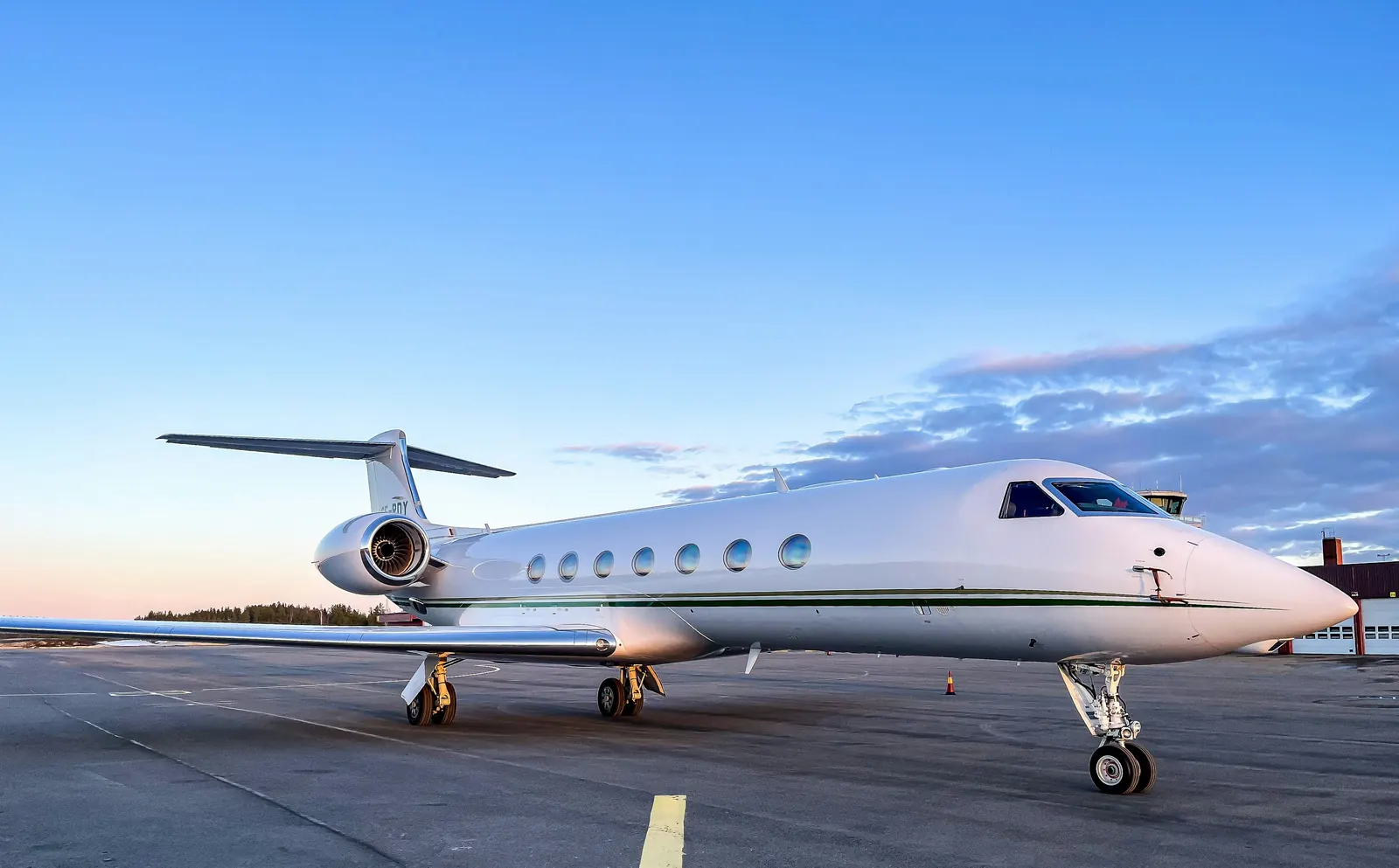 Large-cabin and ultra-long-range jetsGulfstreamG700, G650, G550, G450
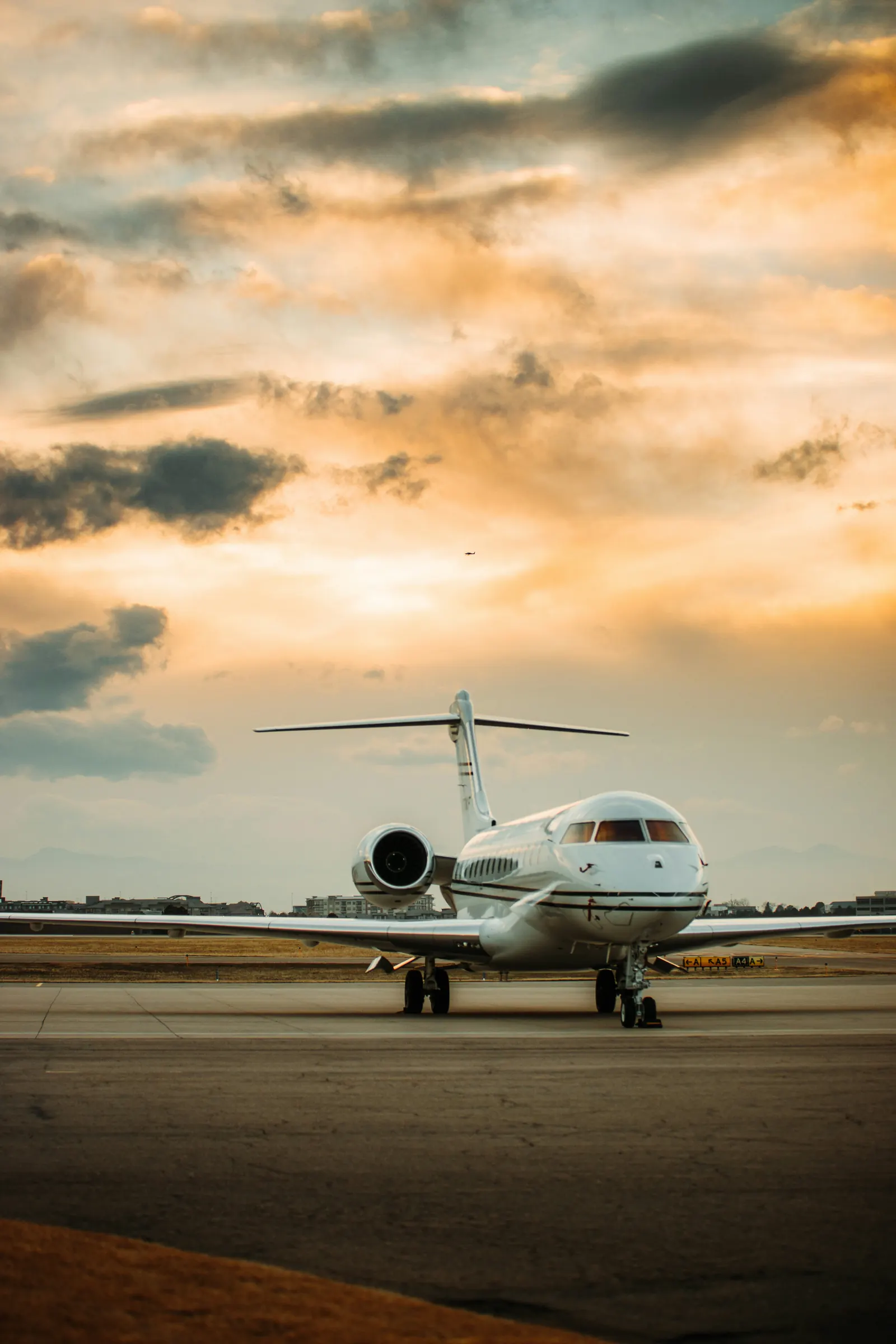 Super-midsize, large-cabin and ultra-long-range jetsBombardierGlobal 7500, Global 6000, Challenger 650, Challenger 350
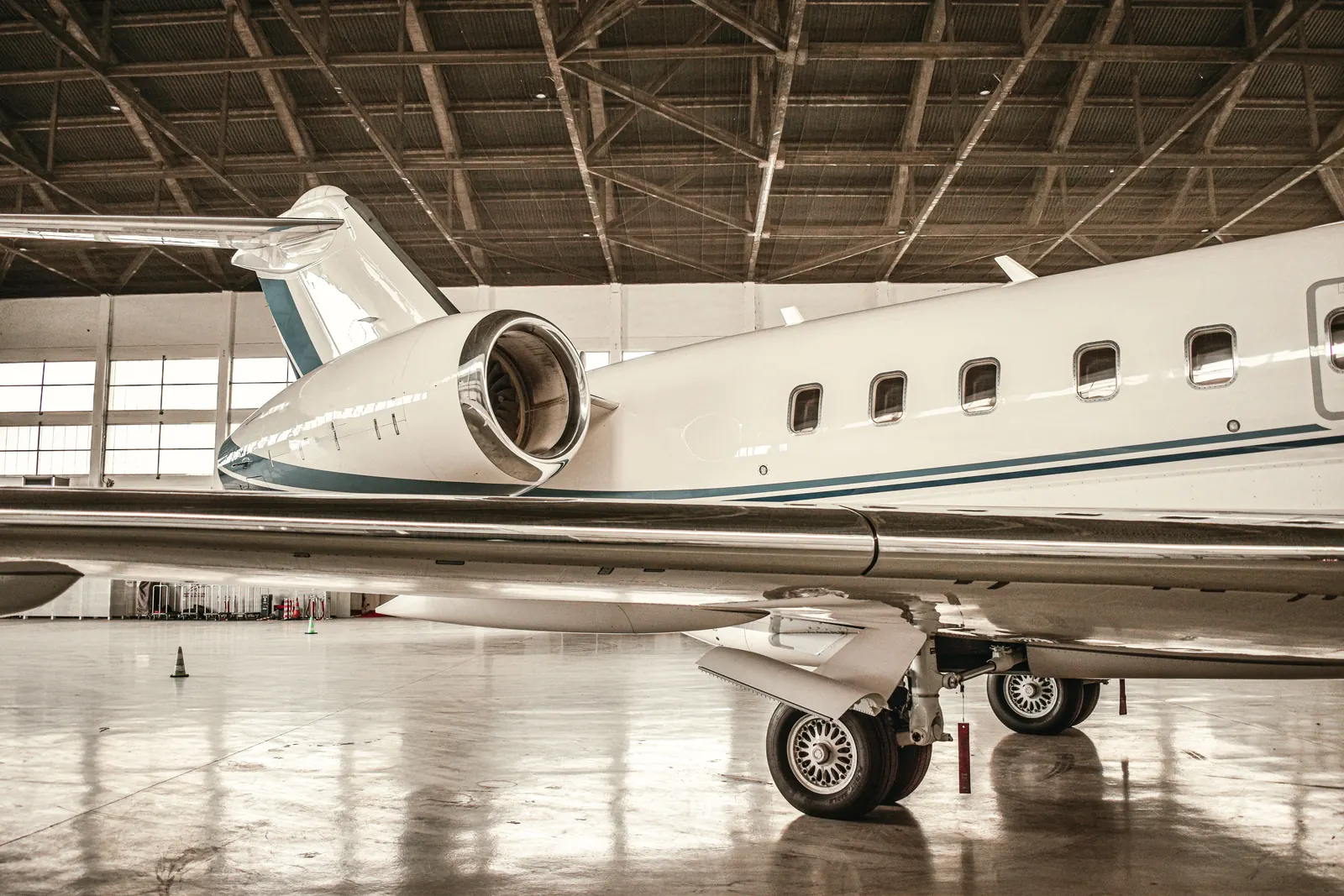 Large-cabin trijets and twinjetsDassault FalconFalcon 8X, Falcon 7X, Falcon 2000
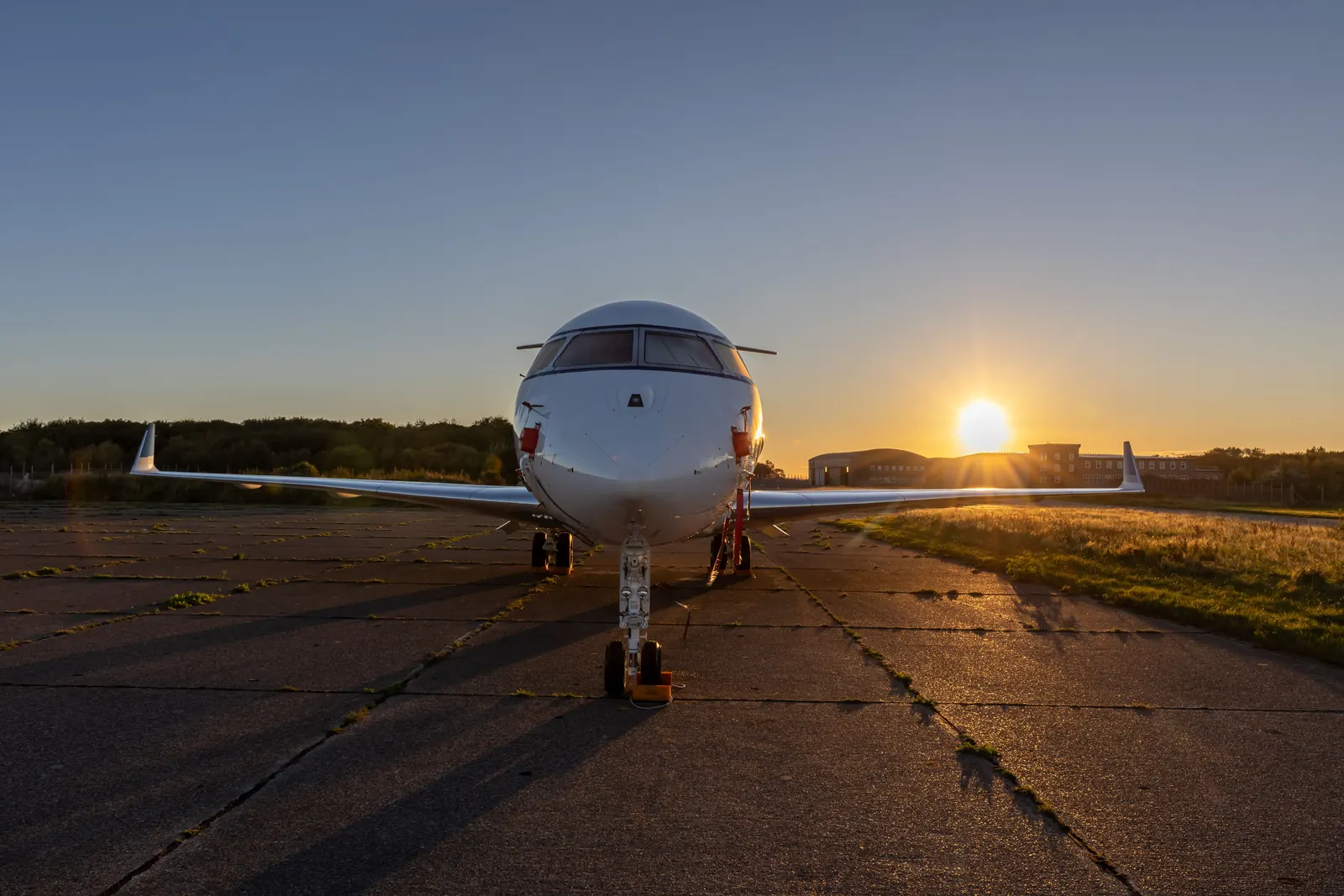 Midsize and super-midsize jetsEmbraerPraetor 600, Praetor 500, Legacy 500, Legacy 450
Questions
Asked by ownersand flight departments.
Why can't I use a regular leather conditioner on jet seats?
Because aircraft leather is thinner and more heavily finished than most automotive or furniture hide. Conventional conditioners are designed to soak into a more open leather. On finished aviation hide they tend to sit on the surface, turn tacky, attract dirt and leave an unwanted shine, and some can soften the finish itself. Products formulated for aviation leather avoid that.
How often should aircraft leather be conditioned?
Cleaning should be routine; conditioning less frequent and guided by how the leather looks and feels. A busy charter cabin needs more attention than an owner-flown jet. Over-conditioning is a genuine problem on thin hide, so we recommend an interval after assessing the seats rather than applying product on a fixed calendar.
Can you repair cracked or faded aircraft leather?
No. Cracks, finish wear and colour loss call for repair or re-dyeing by an aircraft interior or trim shop, and materials used in a cabin have certification requirements of their own. What we do is clean and condition correctly, slow further deterioration, and document the condition so your maintenance provider or interior shop can plan the work.
Do you clean perforated and ventilated seats?
Yes, carefully. Perforations trap dirt and oils, but liquid pushed through them reaches the foam beneath. We apply minimal product to the cloth rather than the seat, and use soft brushes and vacuum to lift debris from the holes. The panel is left dry to the touch, with nothing pooled in the perforations.
Can leather care be done between charter flights?
Light cleaning of armrests, headrests and seat edges fits easily into a turnaround. Full conditioning is better scheduled for a longer ground window, so the conditioner can be buffed off completely and the cabin left to air before passengers board. Rushed conditioning is how seats end up tacky on the next leg.
Will the products leave a smell in the cabin?
We use low-odour products and buff conditioner off thoroughly, so the cabin should smell clean rather than perfumed. If your operator restricts fragrances or specific products, tell us beforehand and we will work within those restrictions. Some owners and crews are sensitive to scent in a closed cabin, and we take that seriously.
Often paired with
Related services.
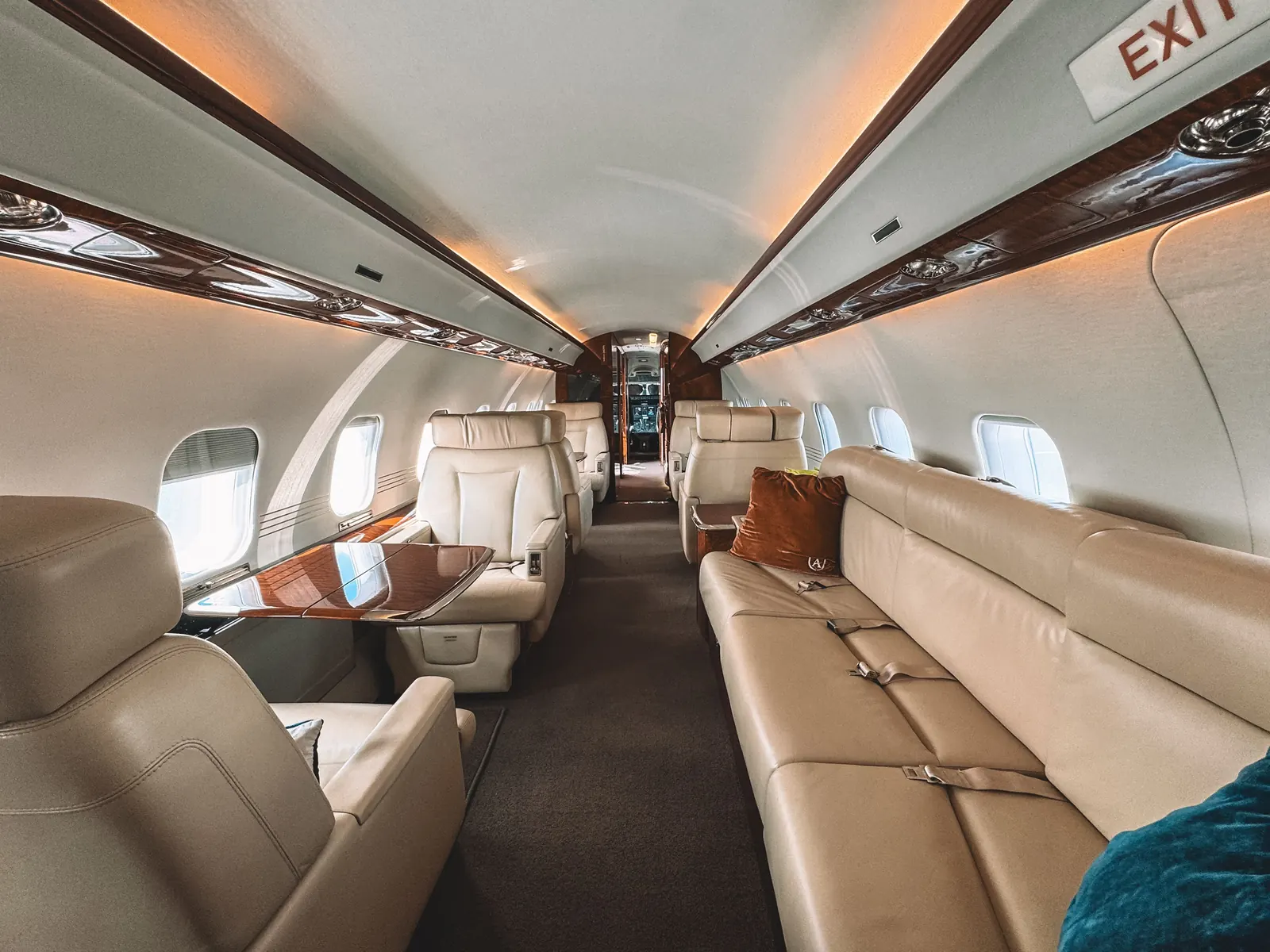 Cabin interior detailingSeating, veneers, carpets, headliners and sidewalls, each cleaned with product matched to the material.
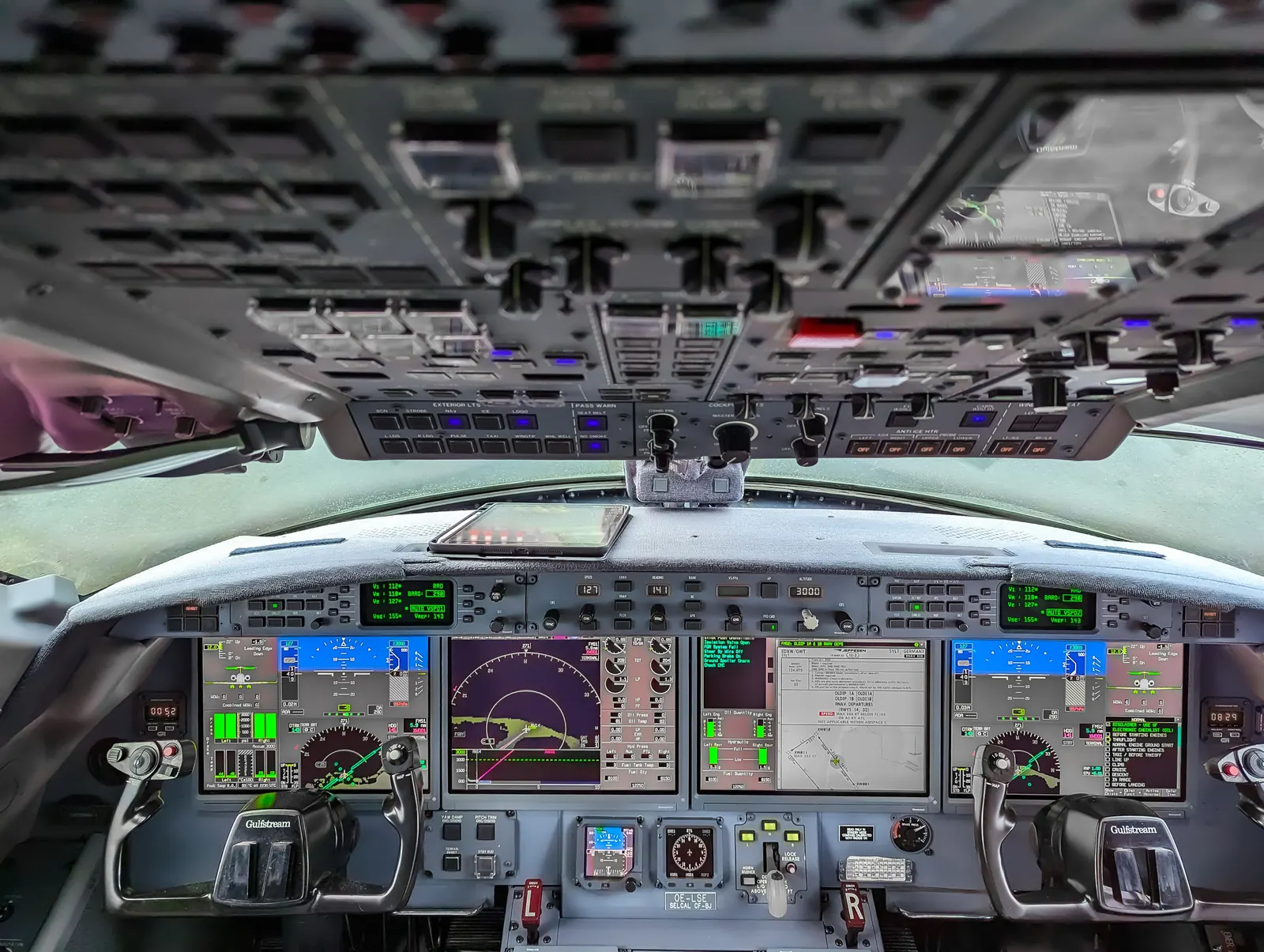 Cockpit and placard careNon-solvent cleaning for flight-deck panels, displays, placards and acrylic, with every switch left as found.
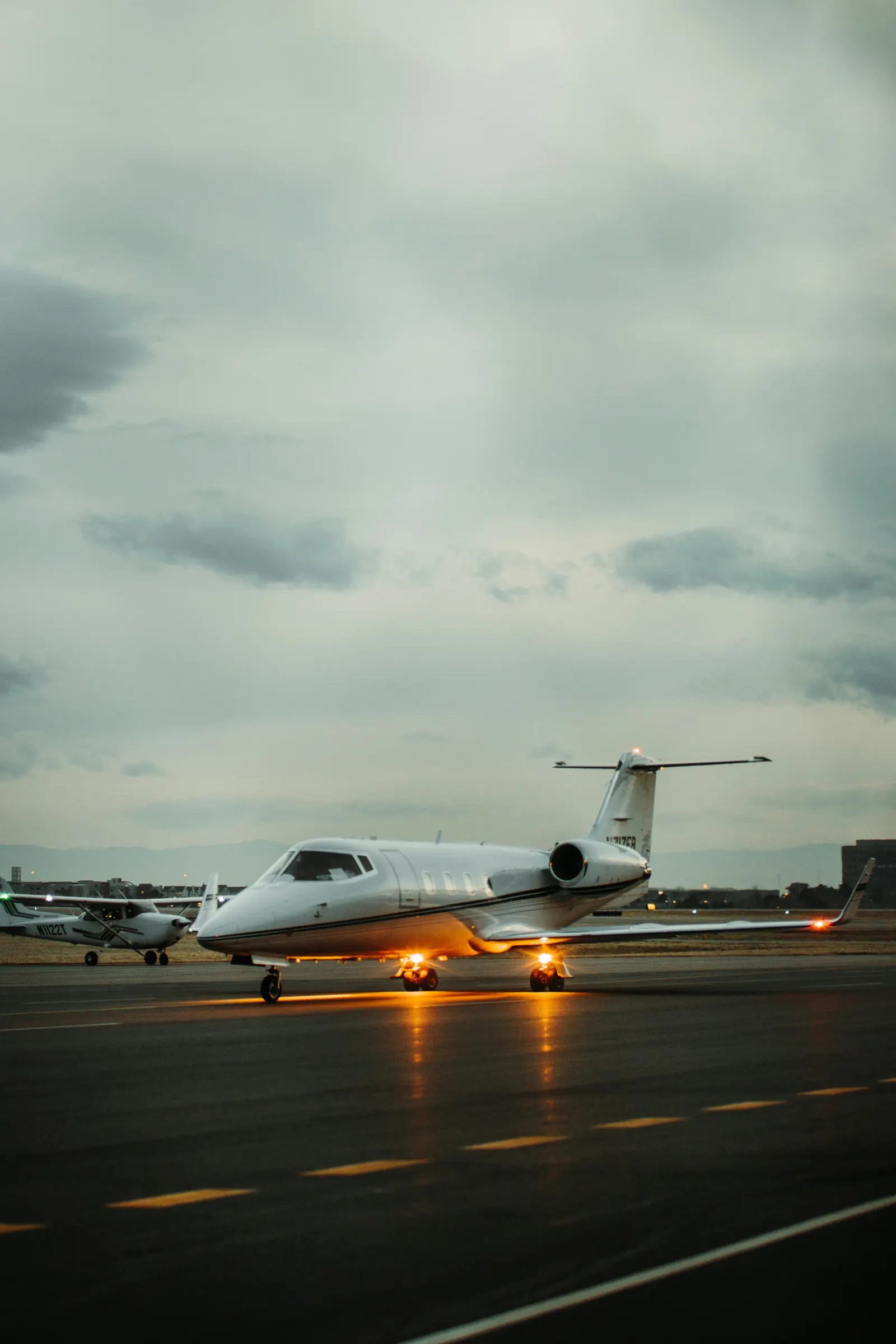 Pre-charter turnaroundA rapid presentation detail between flights, sized to your ground window and finished before crew arrival.
From the journal
Further reading.
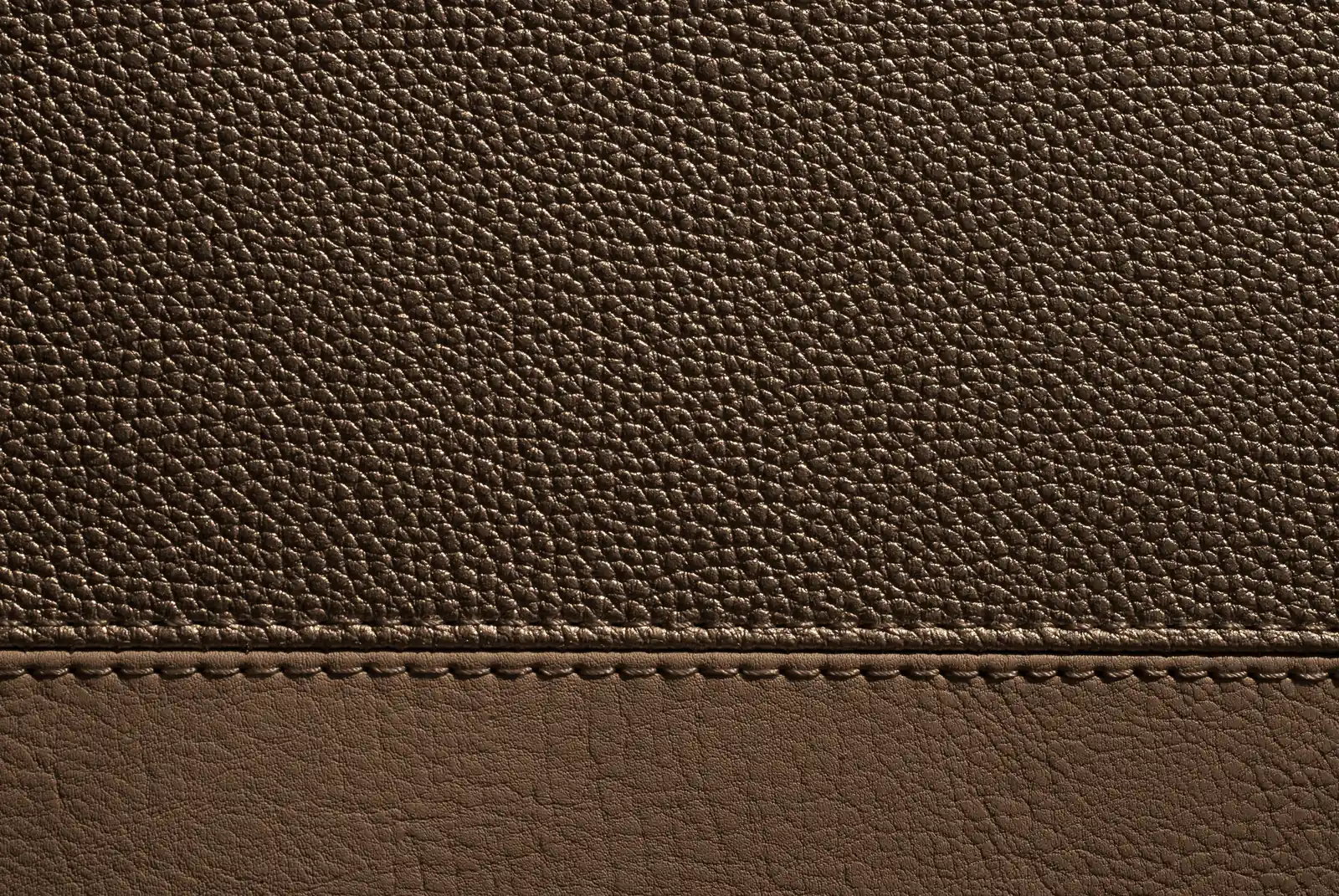 Cabin · 7 min readHow to care for private jet leather seatsClean private jet leather with a pH-neutral leather cleaner on a soft brush or microfibre, working gently and never saturating the hide, then apply a light conditioner formulated for finished aviation leather. Avoid household cleaners, alcohol, silicone dressings and heavy oils. Aviation leather is often thinner and more heavily finished than automotive hide.
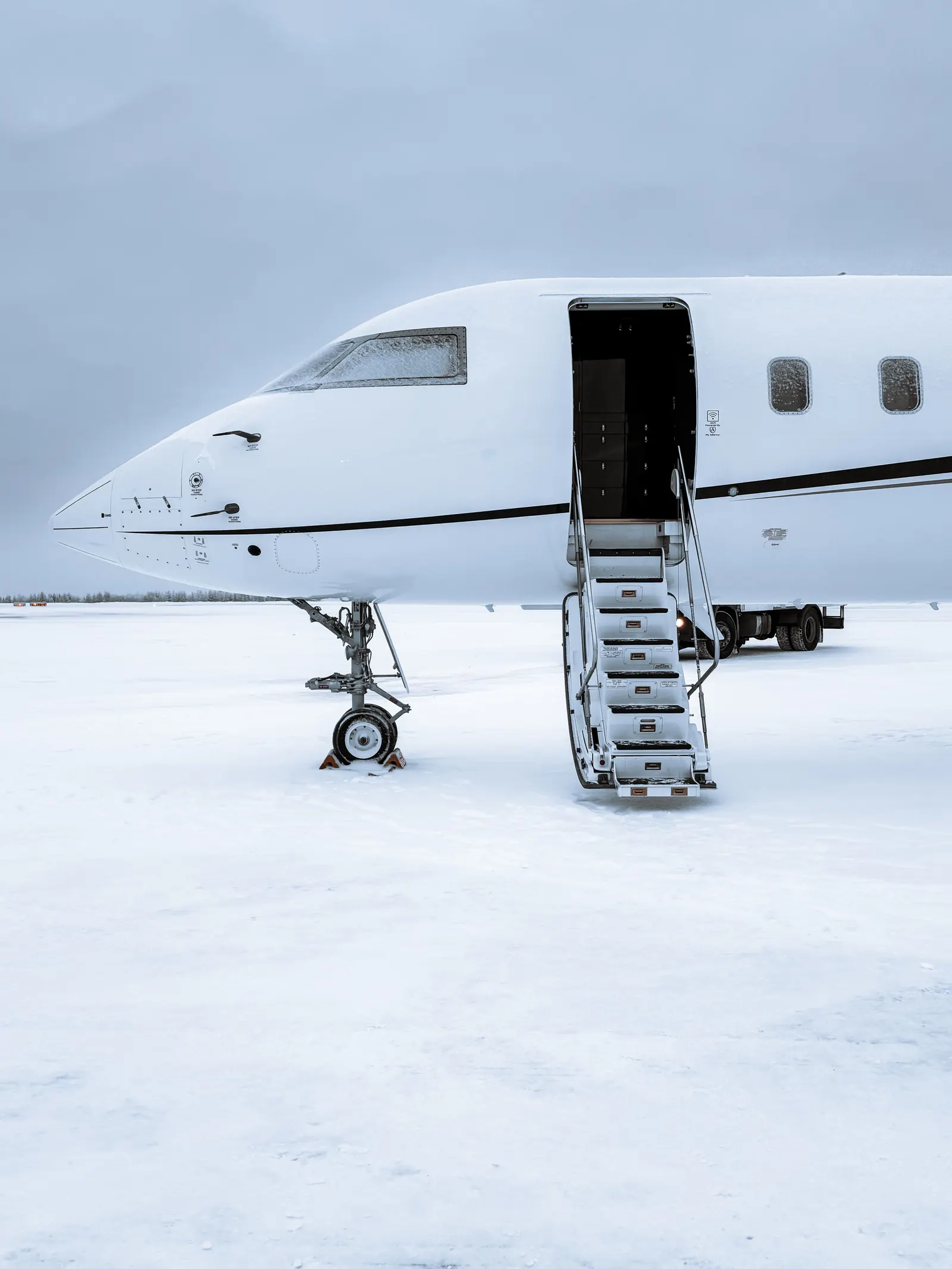 Operations · 7 min readWhat is a pre-charter turnaround?A pre-charter turnaround is a rapid presentation detail done between flights so the next passengers board a cabin that looks unused. It typically covers waste removal, galley and lavatory sanitation, high-touch surfaces, vacuuming, leather and veneer touch-up, soft goods and an exterior presentation wipe. It is scheduled inside the ground window and coordinated with dispatch, crew and the FBO.
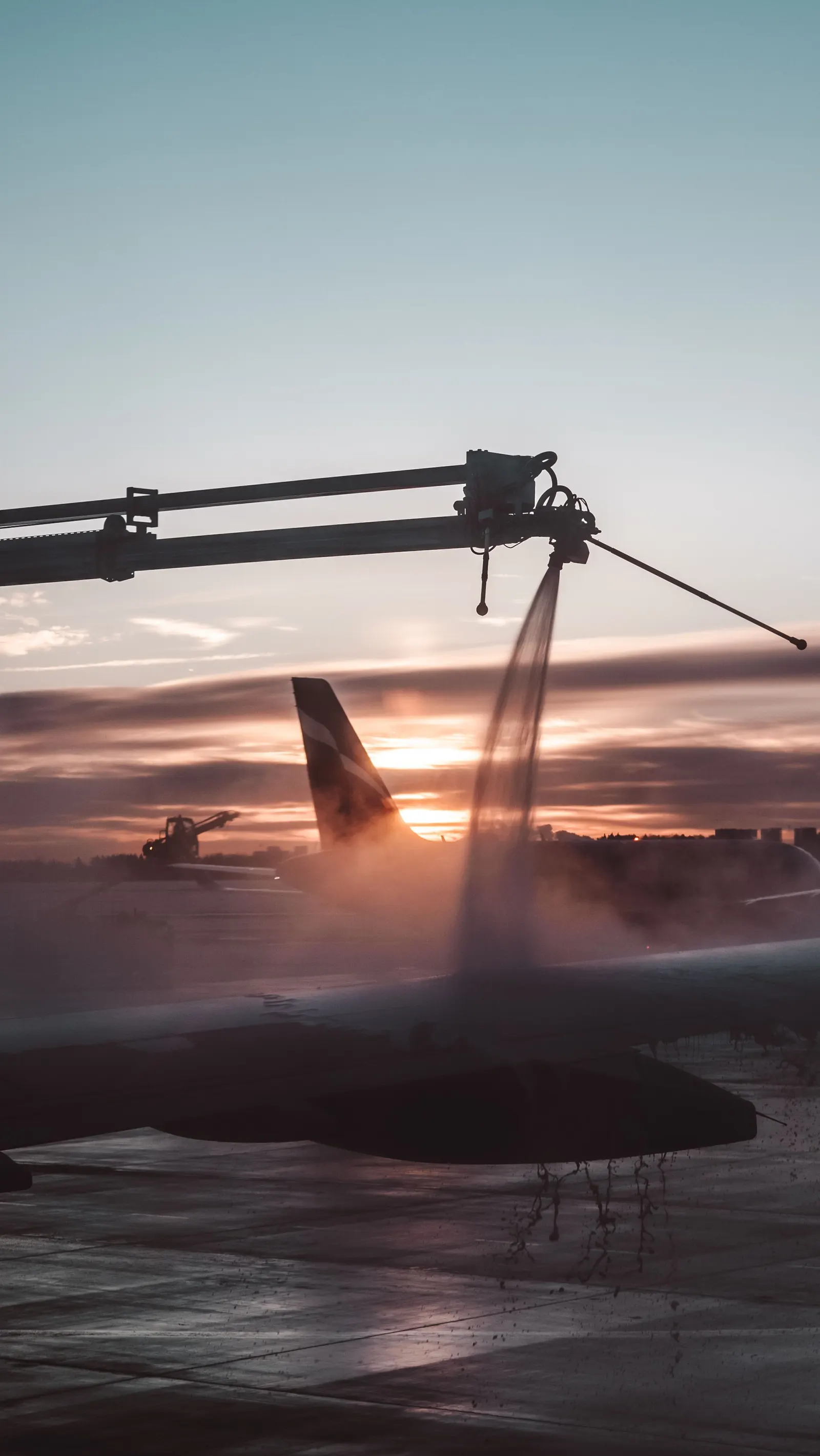 Seasonal · 7 min readWinter aircraft detailing in OntarioIn an Ontario winter, aircraft need detailing adjusted for deicing fluid film, salt and grit on lower surfaces, and moisture carried into the cabin. Remove glycol film soon after deicing, ideally in a heated hangar. Protect cabin entries, dry carpets thoroughly and let leather warm before conditioning. Residue in control surface gaps is for maintenance to inspect.


Private consultation
Exceptional care begins here.
A short, confidential conversation about your aircraft, your operation and your ground windows. A written scope follows, never a price list.