The short answer
Clean private jet leather with a pH-neutral leather cleaner on a soft brush or microfibre, working gently and never saturating the hide, then apply a light conditioner formulated for finished aviation leather. Avoid household cleaners, alcohol, silicone dressings and heavy oils. Aviation leather is often thinner and more heavily finished than automotive hide.
Key takeaways
- Aviation leather is often thinner and more heavily finished than automotive leather and reacts badly to the wrong product.
- Cabin air at cruise is very dry, and UV through cabin windows is stronger at altitude, so leather dries and fades faster than it would on the ground.
- Use a pH-neutral cleaner and a light, non-greasy conditioner; never soak the leather or the foam beneath.
- Body oil, sunscreen and denim dye transfer are the most common causes of visible wear.
- Test any product on a hidden area first, and check the interior completion centre's care guidance.
Leather is usually the most visible and most handled material in a private jet cabin. It is also one of the most expensive to replace, because a seat is not just a cover: it is an assembly of hide, foam, fire-blocking layers and frame, built and documented to meet aircraft flammability requirements. Caring for it properly is about keeping that hide supple and clean for as long as possible, without introducing anything that changes how it looks, feels or behaves.
Why aviation leather is different
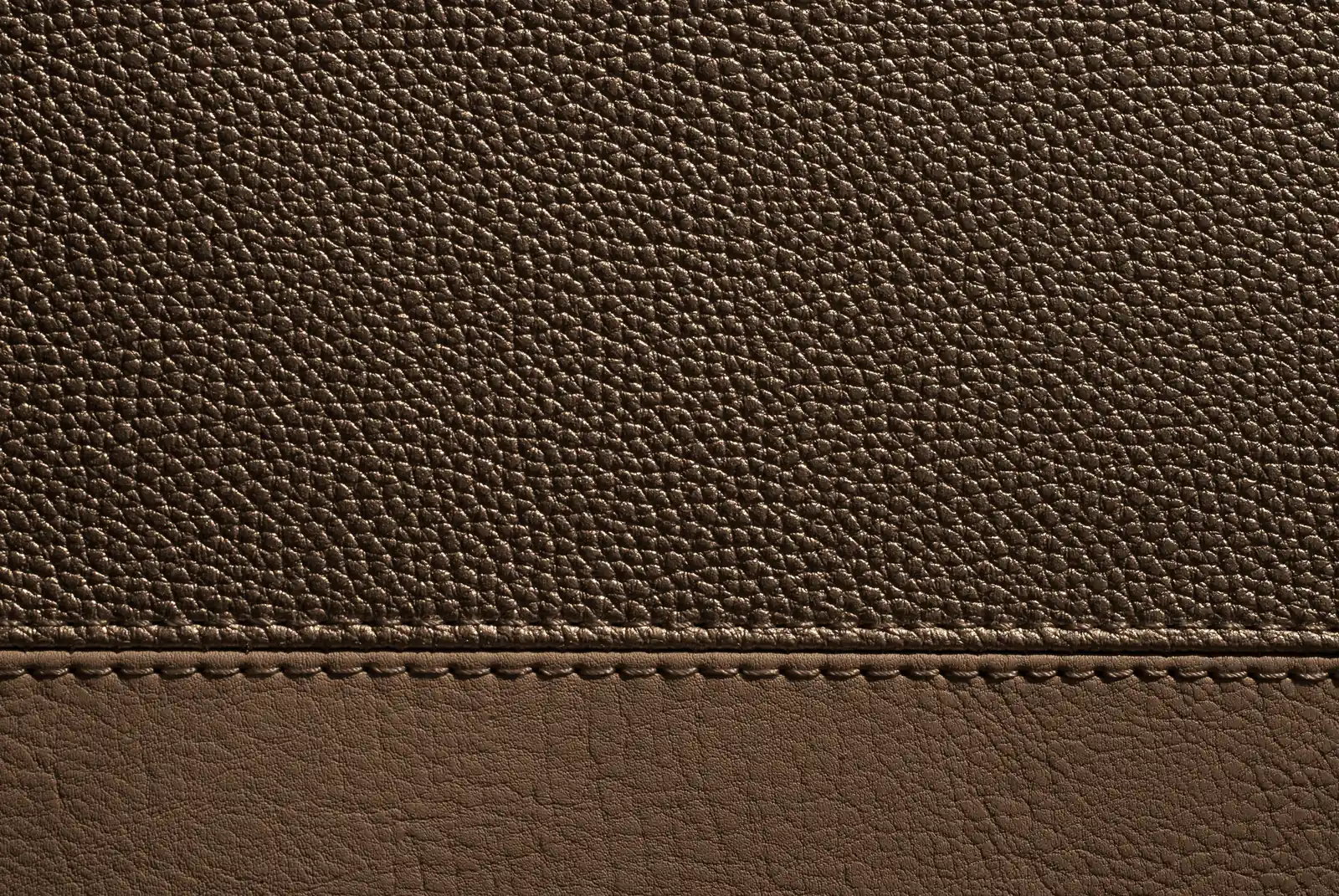
From a distance, aircraft leather looks like a high-end car interior. Up close, it is built to a different brief.
- Weight matters in an aircraft, so leathers are often thinner than comparable automotive hides.
- Most aircraft leather is pigmented or otherwise finished with a protective surface coat, which is what you are actually cleaning most of the time.
- Some bespoke interiors use more natural aniline or semi-aniline leather, which is softer, more absorbent and much more easily marked.
- Seat materials form part of a tested assembly that must meet aircraft flammability standards, so the interior shop's guidance on care products is worth following.
The environment is harsher too. Cabin humidity at cruise altitude is very low, often well below 20 per cent on longer flights, which draws moisture out of natural materials. Sunlight at altitude carries more ultraviolet energy than at ground level, and seats beside windows see it on every daytime flight. Then the aircraft sits in a cold hangar or on a hot ramp, and the leather goes through that cycle again.
What actually damages aircraft leather
Body oils and skin products
Armrests, headrests and seat edges absorb oils from skin and hair, along with sunscreen, hand cream and cosmetics. Over time this darkens and softens the finish, then leaves it shiny and eventually cracked. This is the most common cause of visible wear, and it is mostly preventable with regular cleaning.
Dye transfer
New denim and dark fabrics transfer dye onto light leather, particularly on seat cushions. Fresh transfer often lifts with a gentle clean. Left for weeks, it can bond into the finish.
The wrong products
Household wipes, all-purpose sprays and alcohol-based sanitisers can strip or soften the topcoat. Silicone dressings and heavy oils leave a tacky surface that attracts dirt and can affect how the leather ages. Many automotive conditioners are formulated for thicker hides and leave aircraft leather greasy or sticky.
Too much liquid
Soaking leather drives moisture through seams and into the foam and fire-blocking layers beneath. That can leave tide marks, odours and slow-drying cushions, none of which belong in a cabin.
Sanitisers and leather
Alcohol-based hand sanitiser and disinfectant wipes are a frequent cause of dull, rough patches on armrests and seatbelt buckles. If your cabin stocks them, ask passengers and crew to let hands dry before touching the seats, and have leather surfaces cleaned with a product made for them rather than disinfectant wipes.
How to clean aviation leather
- 1Vacuum seams, piping and the crease between cushion and backrest with a soft brush attachment to remove grit that would otherwise abrade the finish.
- 2Identify the leather type. If water darkens a hidden spot immediately, it may be aniline or semi-aniline and needs extra care.
- 3Test the cleaner on a hidden area such as the underside of a cushion or the back of a seat base.
- 4Apply a pH-neutral leather cleaner to a soft brush or microfibre, not directly to the seat, and work gently in small areas.
- 5Wipe away the lifted dirt with a clean, slightly damp microfibre, then dry with another.
- 6Pay attention to armrests, headrests and seat edges, where oils build up most.
- 7Allow the leather to dry fully before conditioning.
How to condition it
Conditioning replaces some of the moisture and flexibility that dry cabin air and sun take out. For finished aviation leather, less is more. A light, water-based conditioner without silicone or heavy oils, applied thinly and buffed off, keeps the surface supple without leaving residue. If the seat feels slippery or tacky afterwards, too much was used or the product is wrong for the hide.
Do not condition cold leather. An aircraft that has been sitting in a cold hangar or on a winter ramp should be allowed to warm up before conditioning, otherwise the product sits on the surface instead of being absorbed.
How often
| Use profile | Cleaning | Conditioning |
|---|---|---|
| Charter, flown several times a week | High-touch areas at each turnaround; full clean regularly | More often than an owner-flown aircraft |
| Owner-flown, weekly | Light clean frequently; full clean periodically | A few times a year |
| Hangared, flown occasionally | Full clean at each detail | Less often, guided by how the leather feels |
| Seats beside windows on daytime flights | As above | Watch for drying and fading on sun-facing surfaces |
These are starting points rather than rules. The leather itself is the best guide: if it feels dry or looks dull at the high-touch areas, it is due.
Common marks and the right first response
Most damage to aircraft leather starts as a small, fresh mark that someone treated with whatever was to hand. The right first response is usually gentler than people expect.
| Mark | First response | Avoid |
|---|---|---|
| Spilled drink | Blot immediately with a clean, dry cloth; then a damp microfibre | Rubbing, which spreads it into the grain |
| Sunscreen or hand cream | pH-neutral leather cleaner on a soft brush | Alcohol wipes, which strip the finish |
| Denim dye transfer | Gentle leather cleaner, early | Solvents or magic erasers |
| Ink | Leave for a specialist; record where it is | Hairspray, alcohol or ink removers not made for aircraft leather |
| Food grease | Blot, then pH-neutral cleaner | Heat or household degreasers |
Perforated, quilted and light-coloured leather
Perforated seats, often used where seats are ventilated, need even less liquid than plain hide, because anything sprayed or wiped on can be drawn into the holes and the layers beneath. Cleaner goes on the brush, never the seat, and the surface is wiped across the perforations rather than pressed into them. Quilted and stitched panels collect dirt along the stitch lines, which a soft brush lifts better than a cloth.
Light leathers, such as cream, ivory and pale grey, are popular in cabins because they make the space feel larger. They also show oils and dye transfer quickly. They benefit from more frequent light cleaning, and from a protective product where the interior shop approves one, so that marks sit on the surface rather than in it.
Protecting leather between details
- Lower window shades when the aircraft is parked outdoors, so the sun does not bake seats beside the windows.
- Keep sanitiser use away from seats, and let hands dry before touching leather.
- Ask crews to wipe spills straight away with a clean, dry cloth rather than a wet wipe.
- Use seat covers or throws during maintenance or when the cabin is used for loading.
- Avoid leaving the aircraft closed up and hot for long periods in summer, which accelerates drying.
What is outside a detailer's scope
Cleaning and conditioning maintain leather. They do not repair it. Cuts, deep cracks, worn-through colour and seam failures need an aircraft interior shop, and colour restoration on an aircraft seat should be done by people who understand the flammability documentation for that interior. A good detailer will point these out and stop there.
Noctavius Aviation cleans and conditions aviation leather with products matched to the hide and reports anything that needs an interior specialist, rather than attempting repairs that belong elsewhere.
Where we do this work