
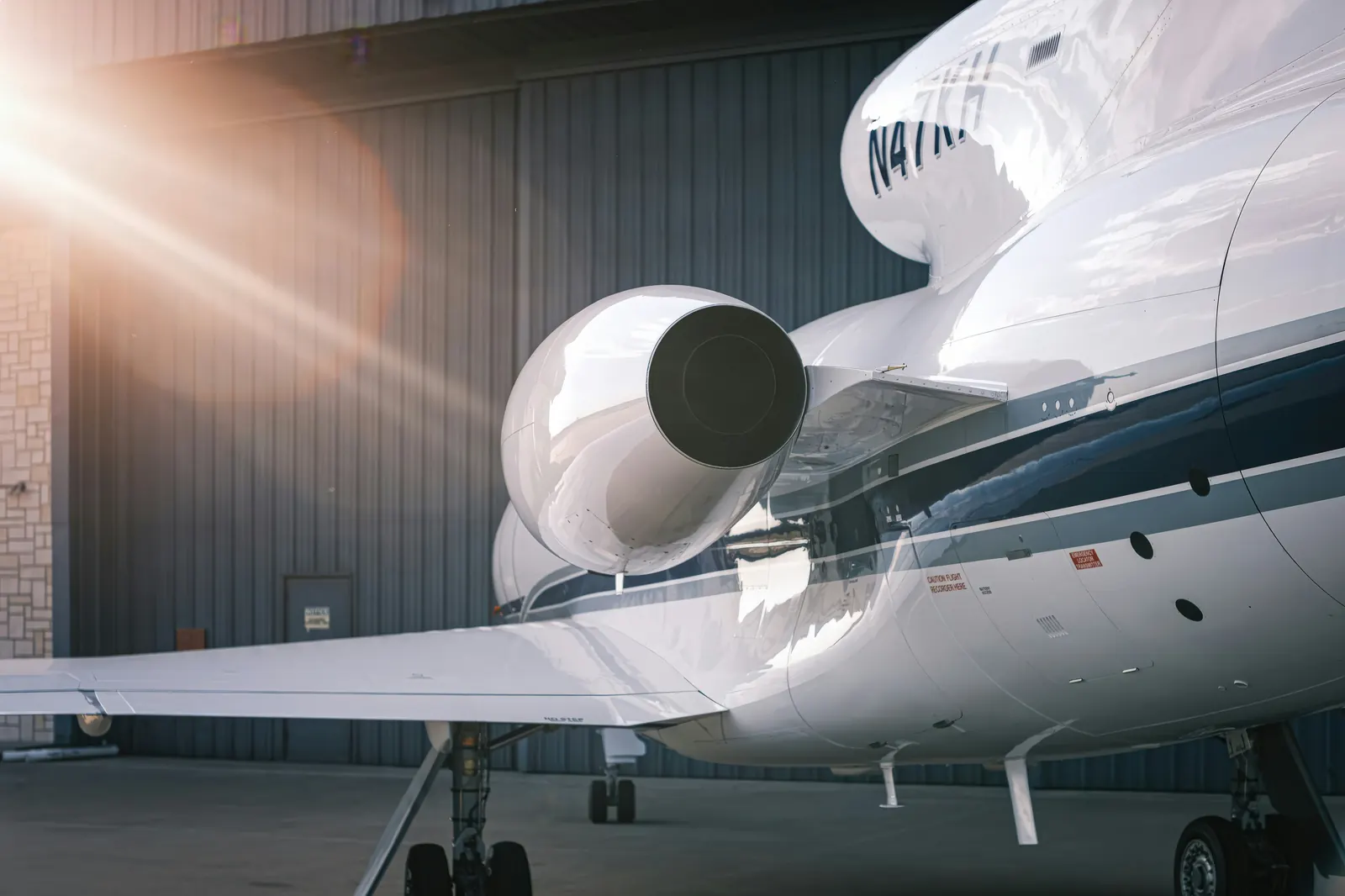
Paint protection
Protection made for altitude,not adapted from the showroom.
An aircraft-formulated SiO₂ sealant that helps paint shed grime, resist exhaust staining and hold its gloss between details.
- Usually combined with an exterior detail and scheduled into a longer ground period, so the sealant can cure before the aircraft flies.
- At your FBO or hangar
- Confidential by default
What is aviation ceramic sealant?
An aviation ceramic sealant is a silica-based (SiO₂) protective layer applied to aircraft paint after washing and, where needed, polishing. Noctavius Aviation applies aircraft-formulated sealants that help jet and turboprop paint resist UV, exhaust residue and environmental fallout, so the airframe stays cleaner between details and washes more easily.
Overview
Aviation ceramic sealantdone properly.
Paint on a business aircraft takes punishment from every direction. UV intensity rises with altitude, exhaust settles along the fuselage, insects bond to leading edges, and winter brings de-icing fluid and slush carried across the ramp. A ceramic sealant puts a hard, slick layer between those contaminants and the coating beneath.
The real benefit is easier care, not shine alone. A sealed surface releases dirt more readily, so routine dry washes are quicker and gentler, and exhaust residue is less likely to bond into the paint. Gloss is easier to hold, and less frequent correction means less paint removed over the life of the aircraft.
We use sealants formulated for aircraft rather than automotive coatings put to a use they were not designed for. Application follows a full wash and decontamination, and often a polish, because a sealant locks in whatever lies beneath it. Windows, sensors, probes, de-ice boots and any areas your maintenance provider specifies are excluded.
The scope
What it includes.Every surface, by name.
- Preparation wash
- A full exterior dry wash and decontamination down to clean paint.
- Paint assessment
- Gloss and defects reviewed, with correction recommended where sealing would lock in haze.
- Panel wipe
- Residual oils and polish removed so the sealant bonds to the coating itself.
- Sealant application
- Aircraft-formulated SiO₂ sealant applied panel by panel and levelled evenly.
- Exclusions masked
- Windows, sensors, probes, de-ice boots and specified areas left untreated.
- Cure guidance
- Advice to the crew on cure time and washing during the first period after application.
- Care plan
- A recommended wash method and inspection interval to keep the protection working.
Why the method matters
The differenceis in what you don't see.
- I
Exhaust bonds to bare paint
Soot and oily residue settle into unprotected paint and become harder to lift with every flight.
- II
UV is stronger aloft
Higher UV exposure speeds oxidation and fade, especially on dark and metallic liveries.
- III
Car coatings are not designed for this
Aircraft paint flexes, sees wide temperature swings and contacts aviation fluids. The protection has to suit that environment.
- IV
Gentler washing, longer paint life
When dirt releases easily, every wash involves less friction and later correction is needed less often.
The process
How we workon your aircraft.
Usually combined with an exterior detail and scheduled into a longer ground period, so the sealant can cure before the aircraft flies.
- I
Wash and decontaminate
Exterior cleaned and bonded contamination removed.
- II
Assess and correct
Paint reviewed; polishing carried out first where it would make a real difference.
- III
Prepare the surface
Panel wipe to remove oils and polish residue; exclusions masked.
- IV
Apply and level
Sealant applied in sections and levelled before it flashes.
- V
Cure and hand over
The aircraft is left to cure as the product requires, and the crew receives care guidance.
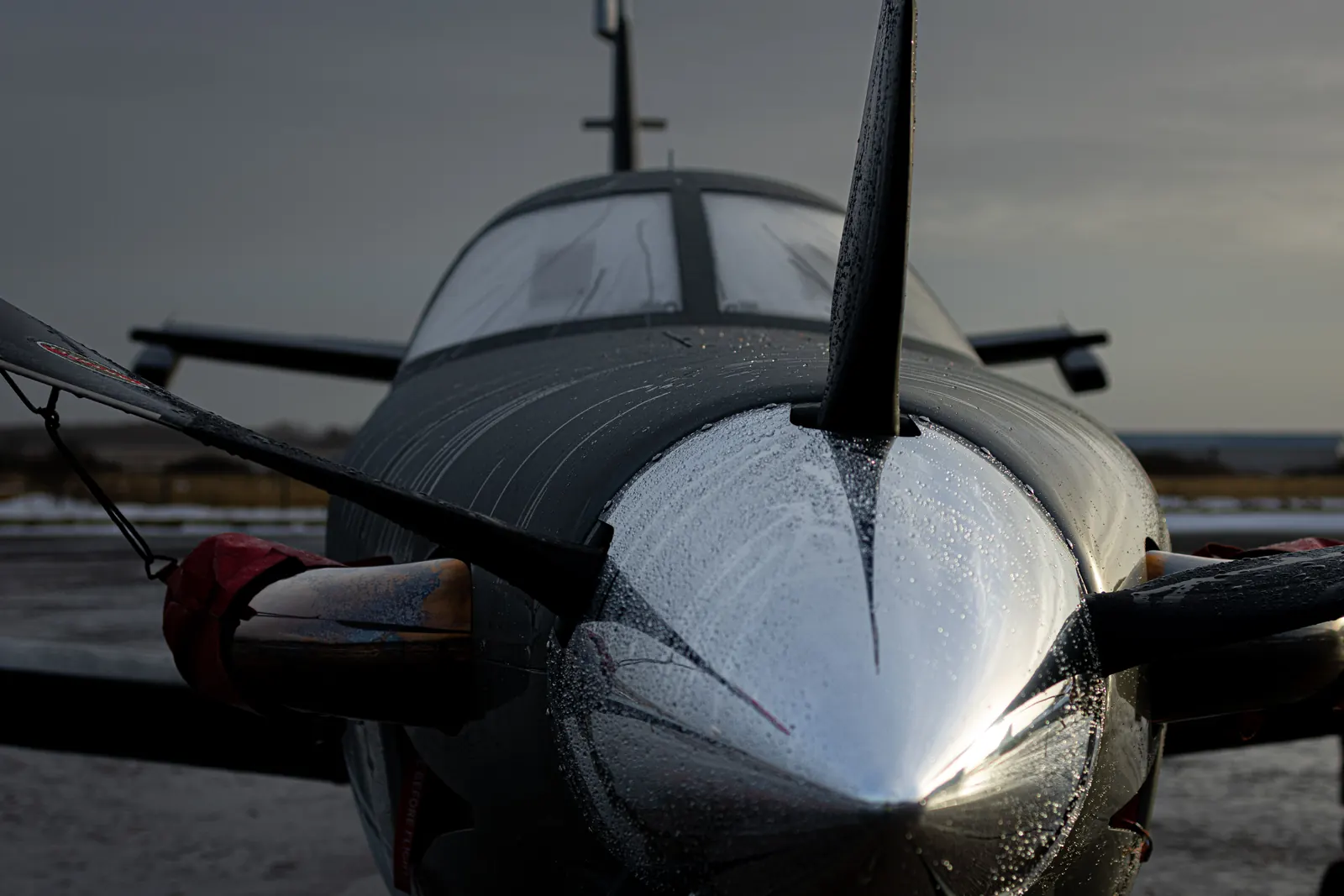
Airframes
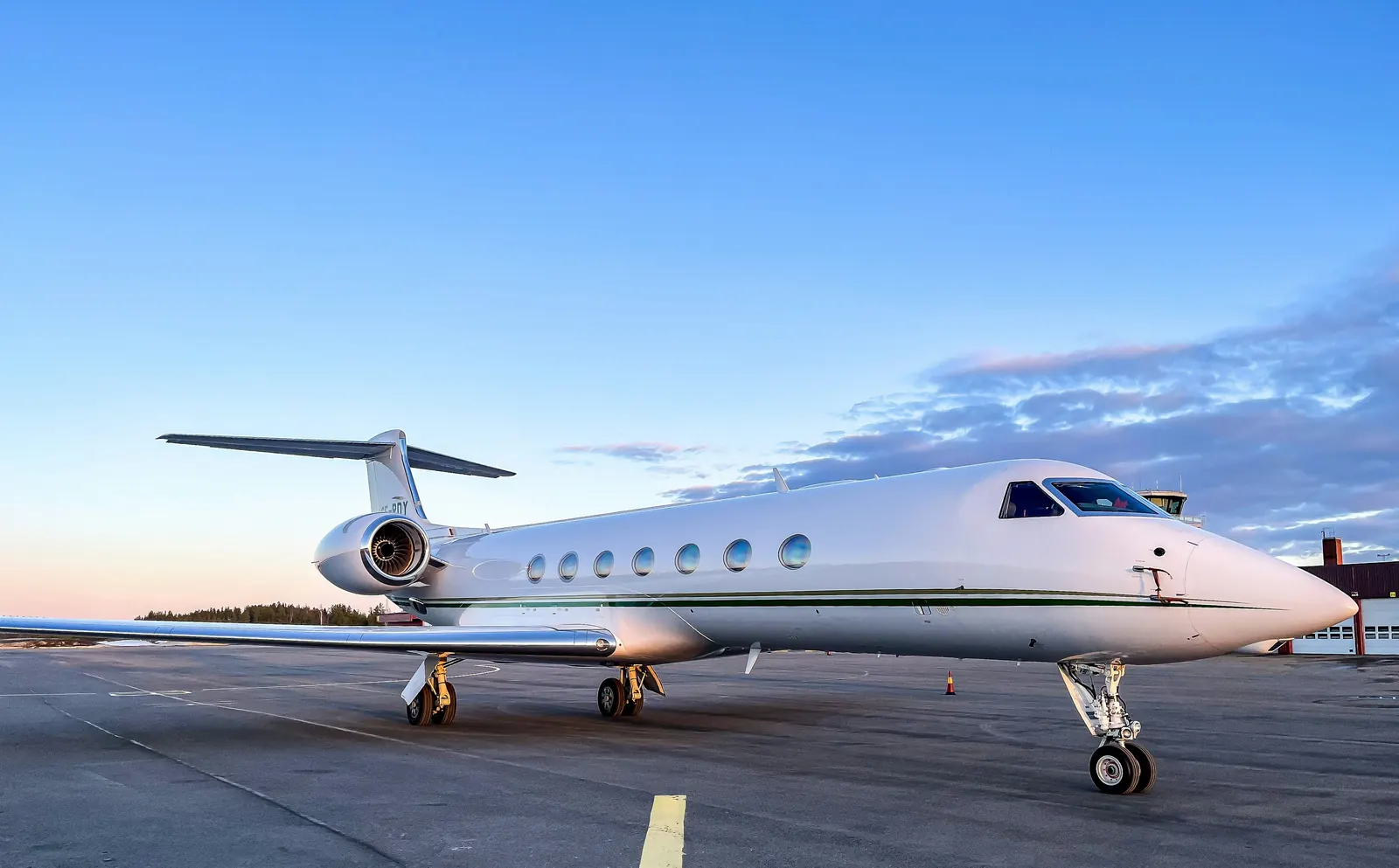
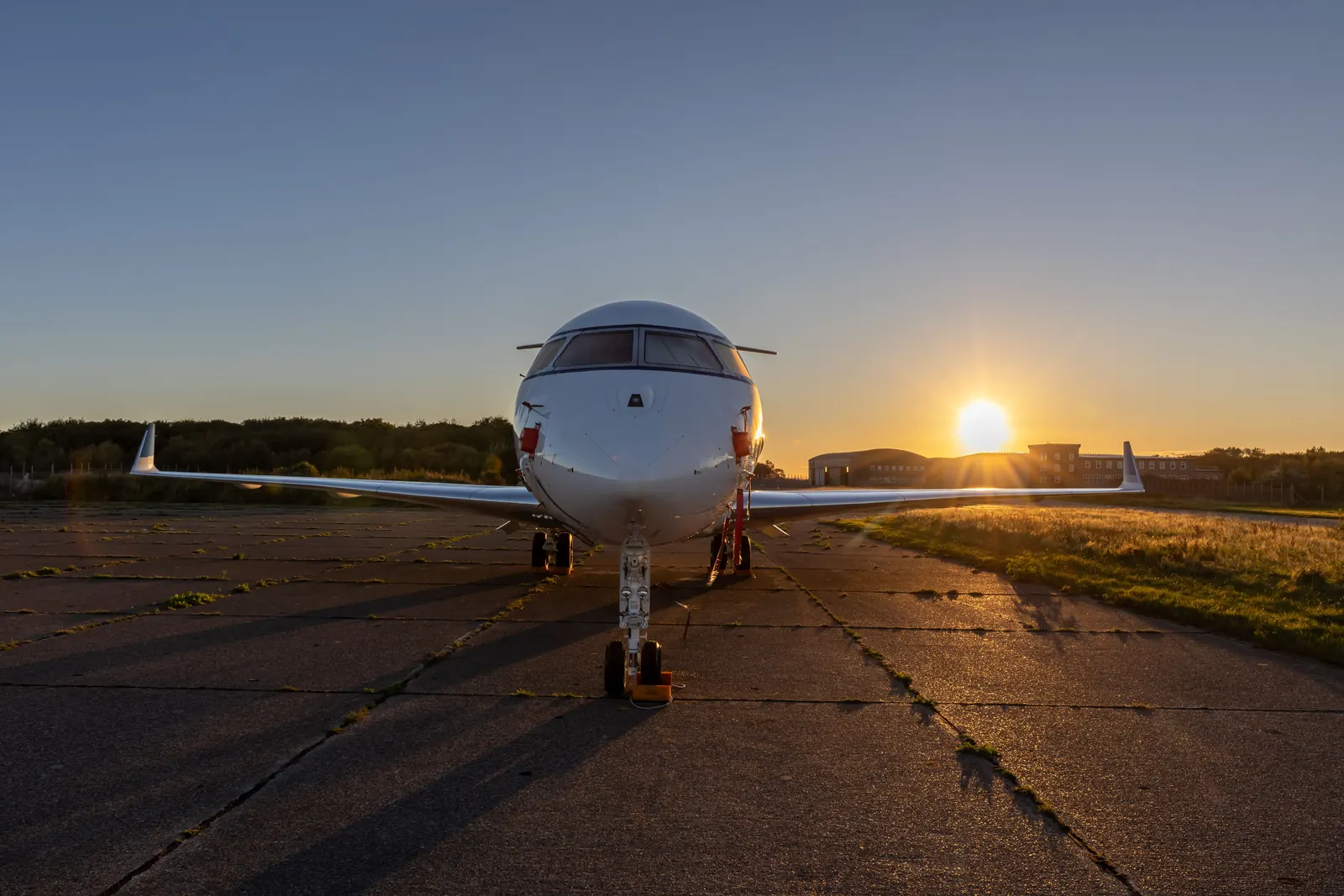
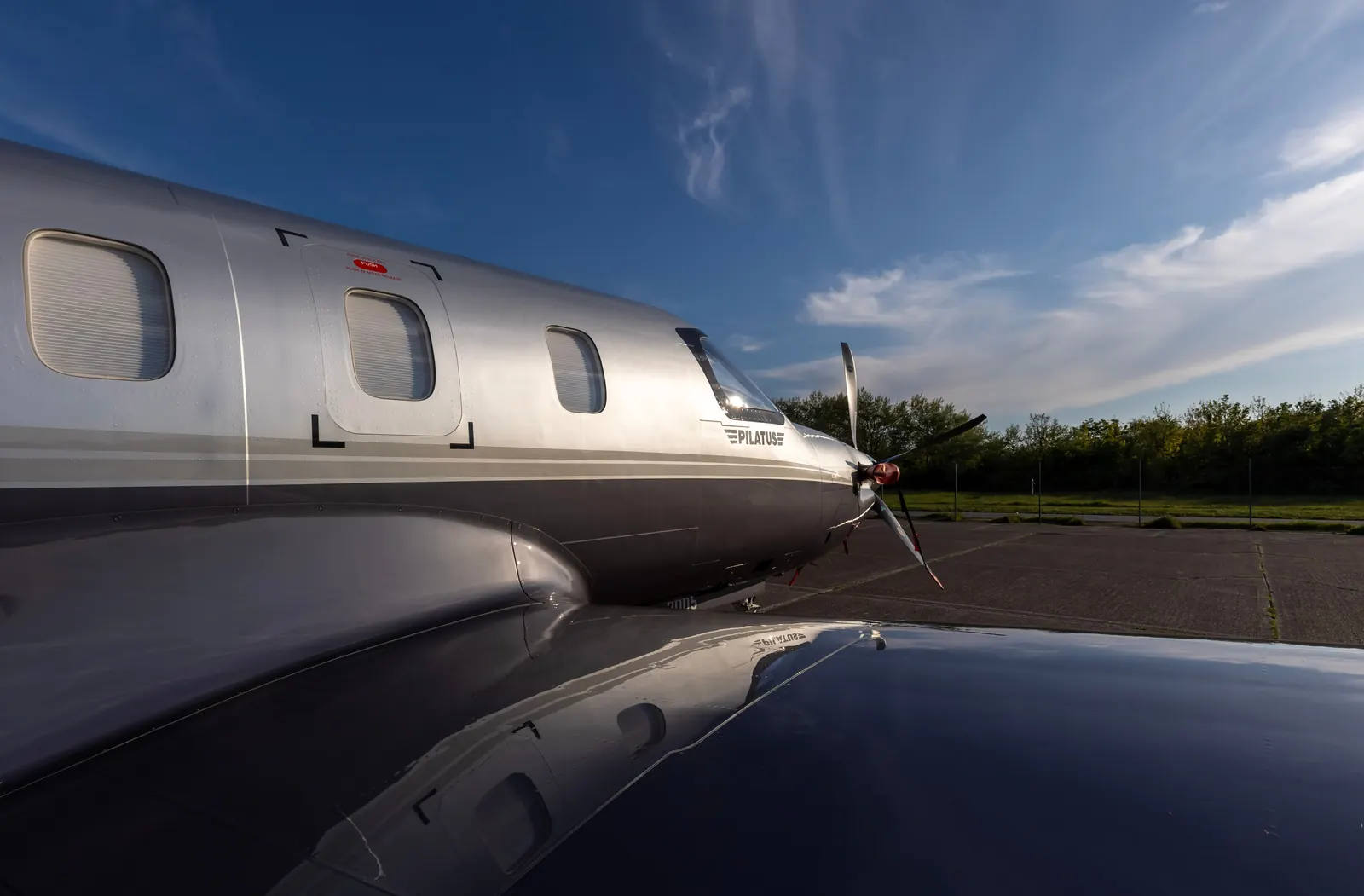
Matched to the aircraft,not applied generically.
Questions
Asked by ownersand flight departments.
How long does an aviation ceramic sealant last?
It depends on how the aircraft is stored, how often it flies and how it is washed. A hangared aircraft cared for with gentle dry washes holds protection far longer than one parked outside through an Ontario winter. We do not quote a fixed lifespan. Instead, we assess the surface at each detail and advise when reapplication is due.
Is a ceramic coating safe for aircraft paint?
An aircraft-formulated sealant, applied correctly to sound paint, is designed for that environment. What matters is preparation and exclusions: the paint must be clean and free of oils, and windows, sensors, probes and de-ice boots are left untreated. If your maintenance provider or paint shop has restrictions, we follow them.
Does a ceramic sealant stop exhaust staining?
It does not stop exhaust reaching the paint, but it reduces how firmly the residue bonds. Exhaust tracks on a sealed aircraft usually lift with gentler product and less effort, so they can be cleaned more often without stressing the paint. Regular belly and exhaust track cleaning remains part of good care.
Should the paint be polished before sealing?
Often, yes. A sealant locks in the surface beneath it, including oxidation, haze and swirl marks. If the paint is in good condition, a thorough wash and panel wipe may be enough. We assess the finish first and tell you honestly whether correction would make a visible difference before recommending it.
Can a sealant be applied to a newly painted aircraft?
Fresh paint generally needs time to cure fully before anything is applied over it, and the paint shop that applied the livery is the right authority on that interval. Once they confirm the paint is ready, we can seal it, which is a sensible way to protect a new livery from the start.
Is ceramic sealant part of your fleet program?
Yes. Aviation ceramic sealant is included in our Elite Fleet program for operators, together with the full exterior and cabin scope of the Signature detail. For individual owners, it can be added to any exterior detail. Every program is quoted to the aircraft and to how it is operated.
Often paired with
Related services.
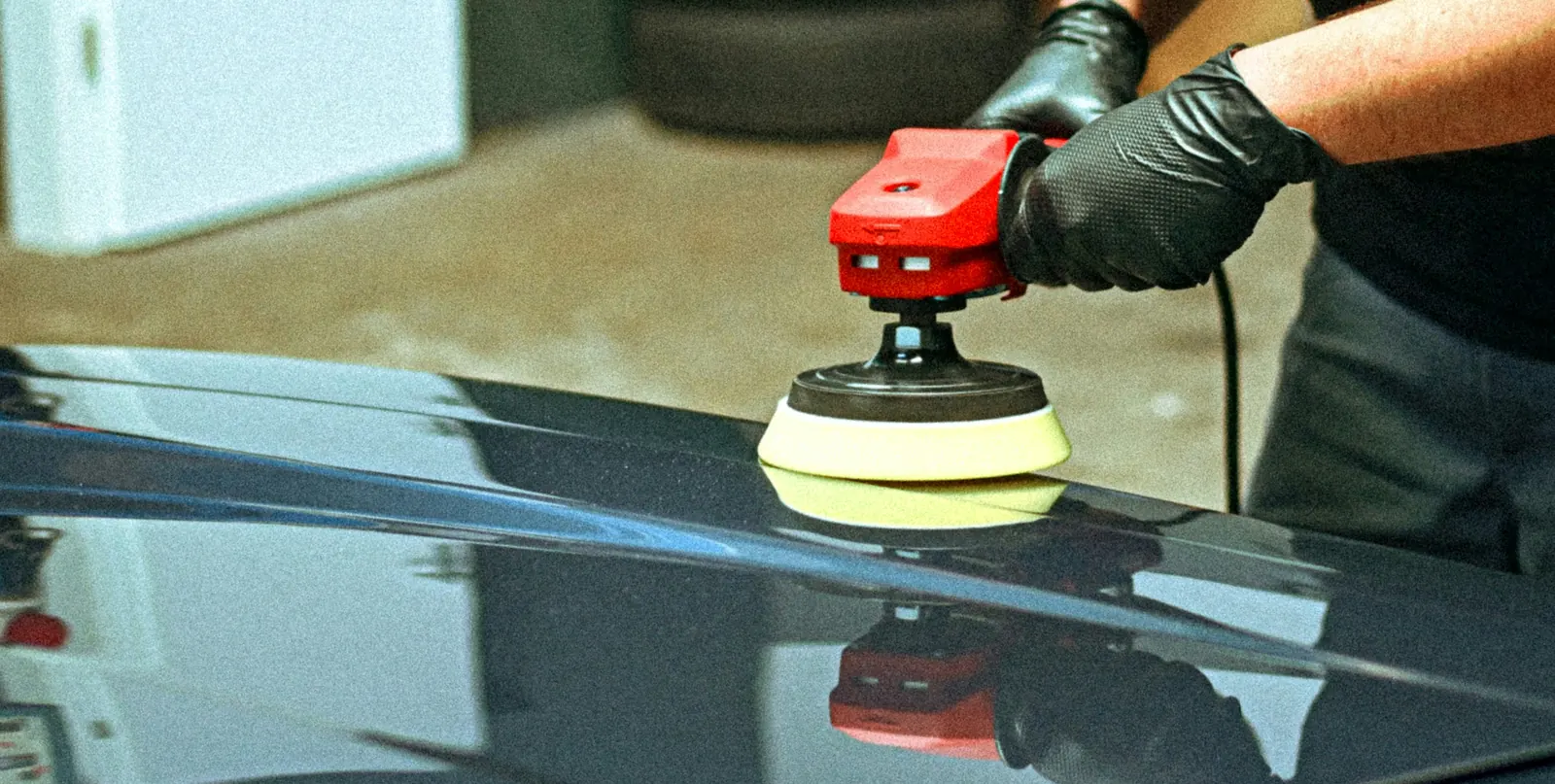 Paint correction and brightworkMeasured machine polishing of aircraft paint and bright metal, only where the coating can spare it.
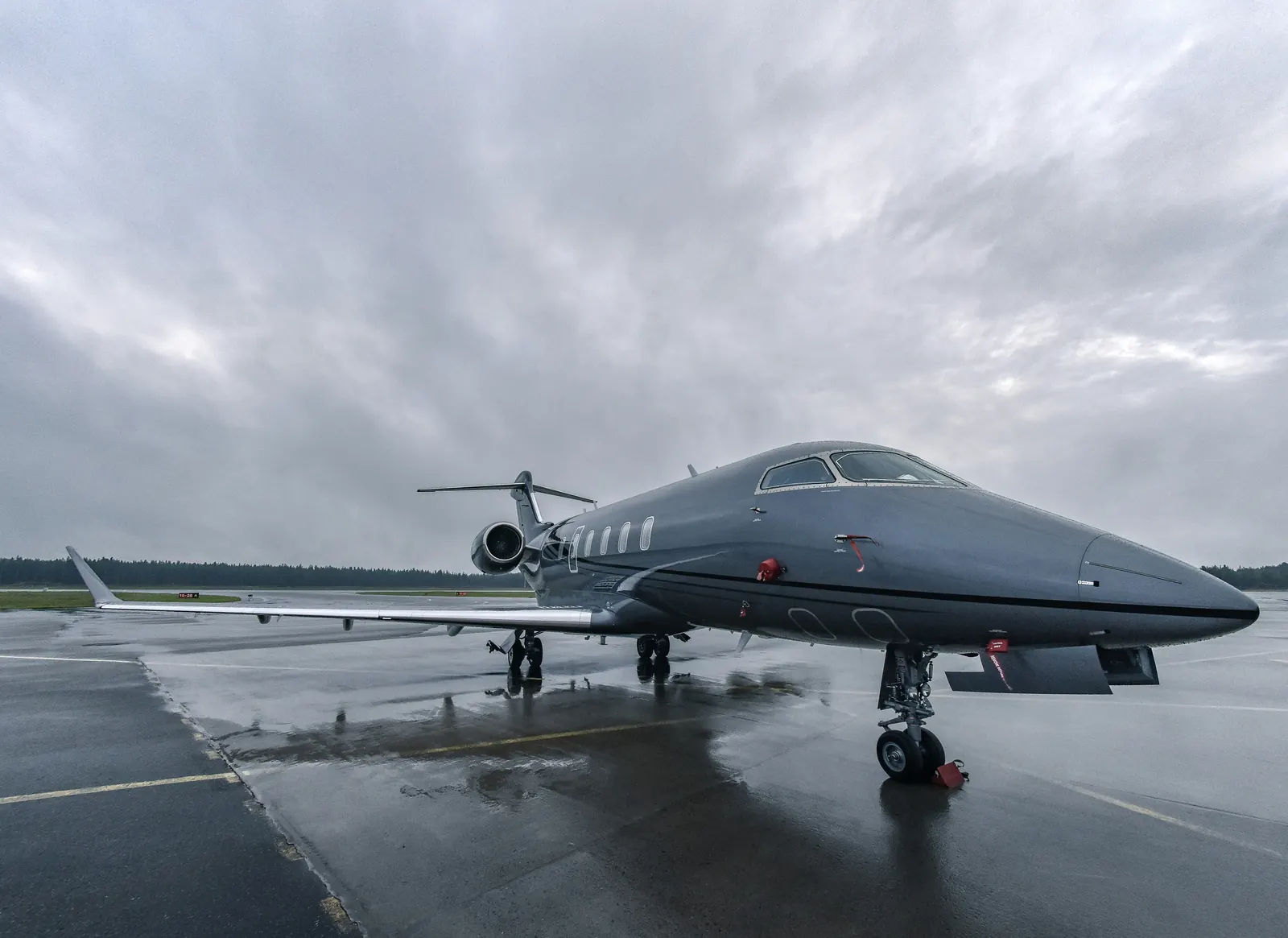 Exterior dry washWaterless exterior cleaning that keeps moisture out of ports, hinge lines and panel seams.
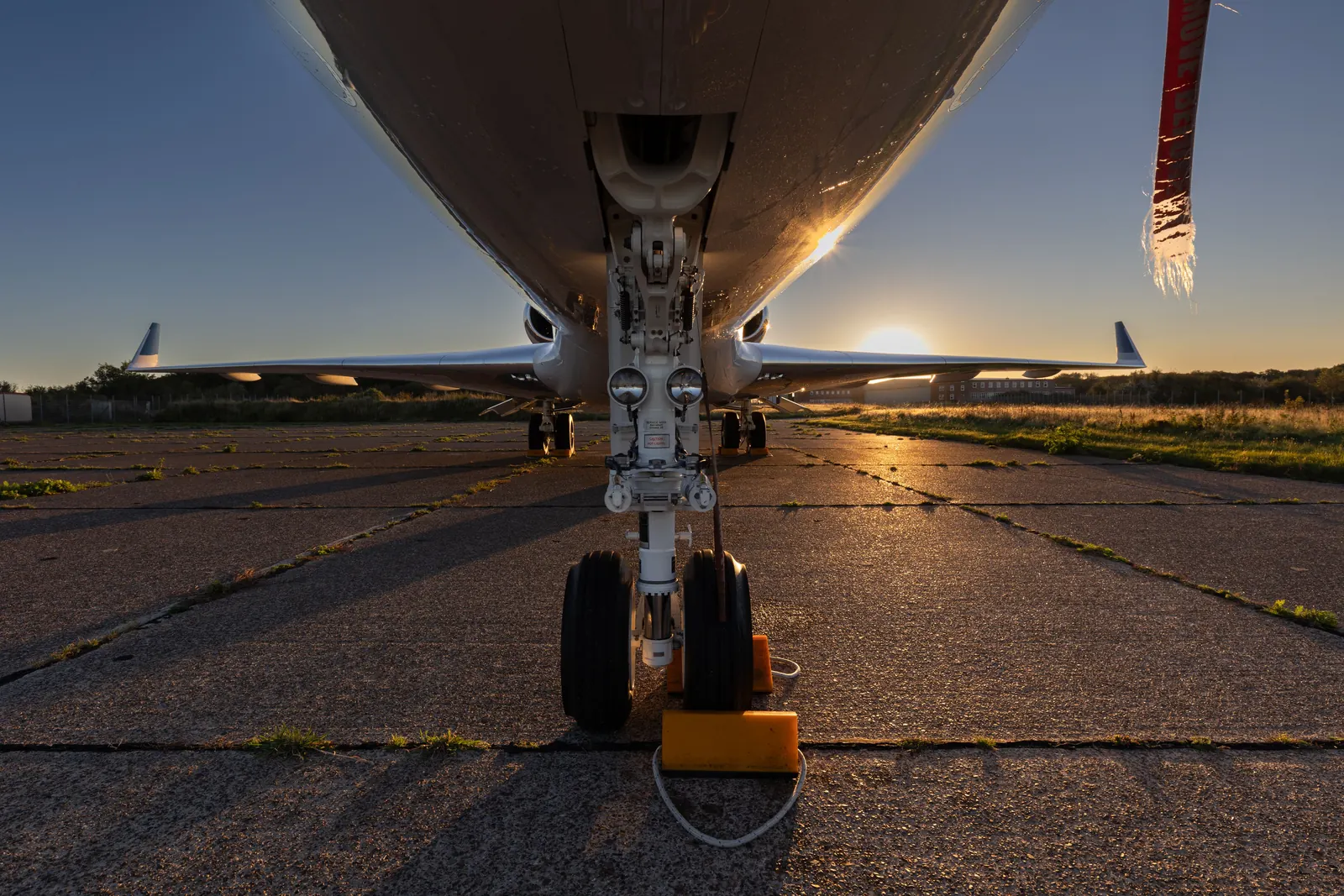 Belly and exhaust track cleaningExhaust soot, hydraulic staining and runway grime removed from belly panels and trailing surfaces.
From the journal
Further reading.
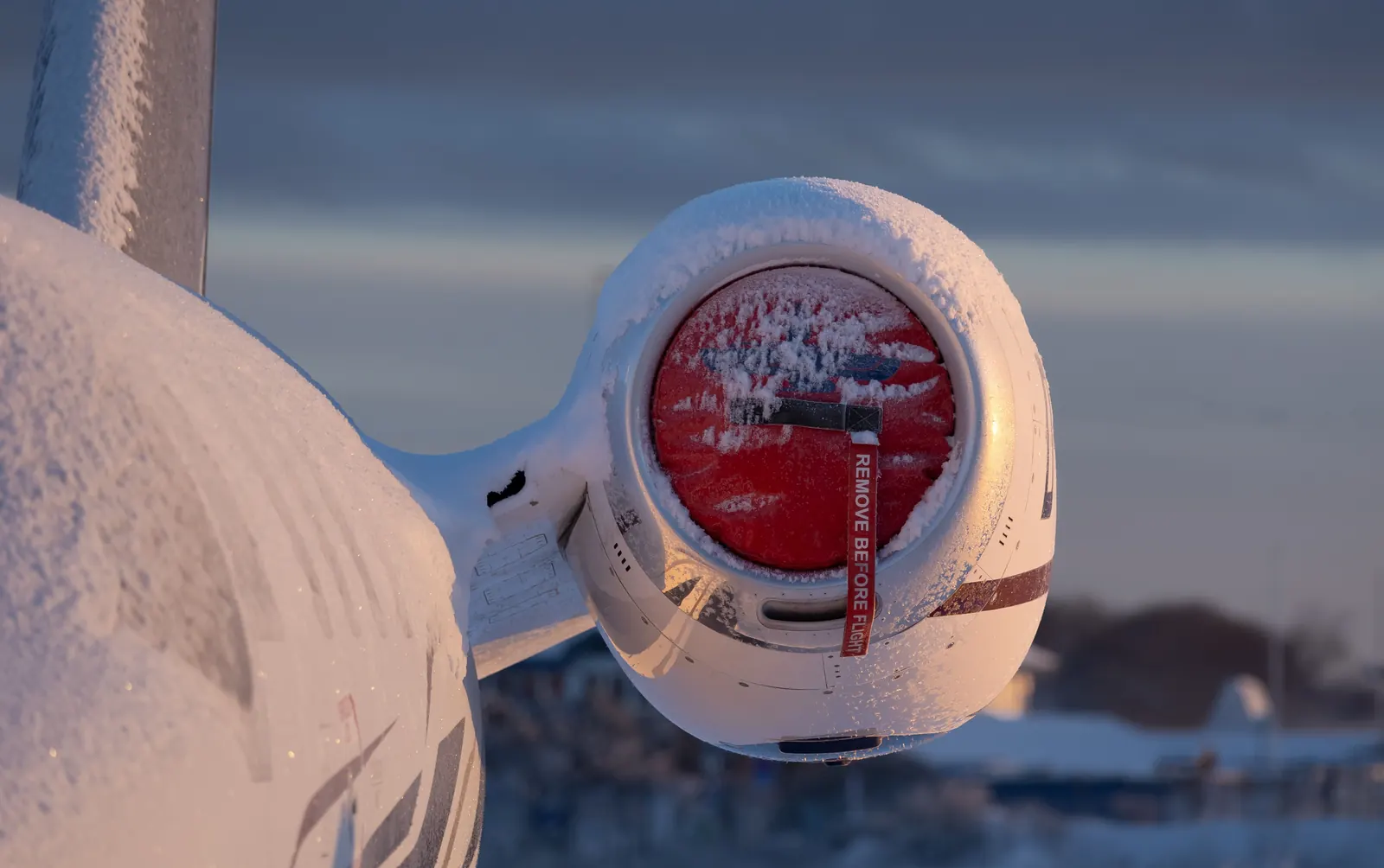 Exterior · 7 min readDry wash vs wet wash: which is right for a private jet?For routine cleaning of a private jet, a dry wash is usually the better choice: lubricated waterless products and microfibre lift light to moderate dirt without driving water into static ports, hinges and panel gaps, and without runoff. A wet wash remains the right tool for heavy grime, thick deicing residue or badly soiled bellies.
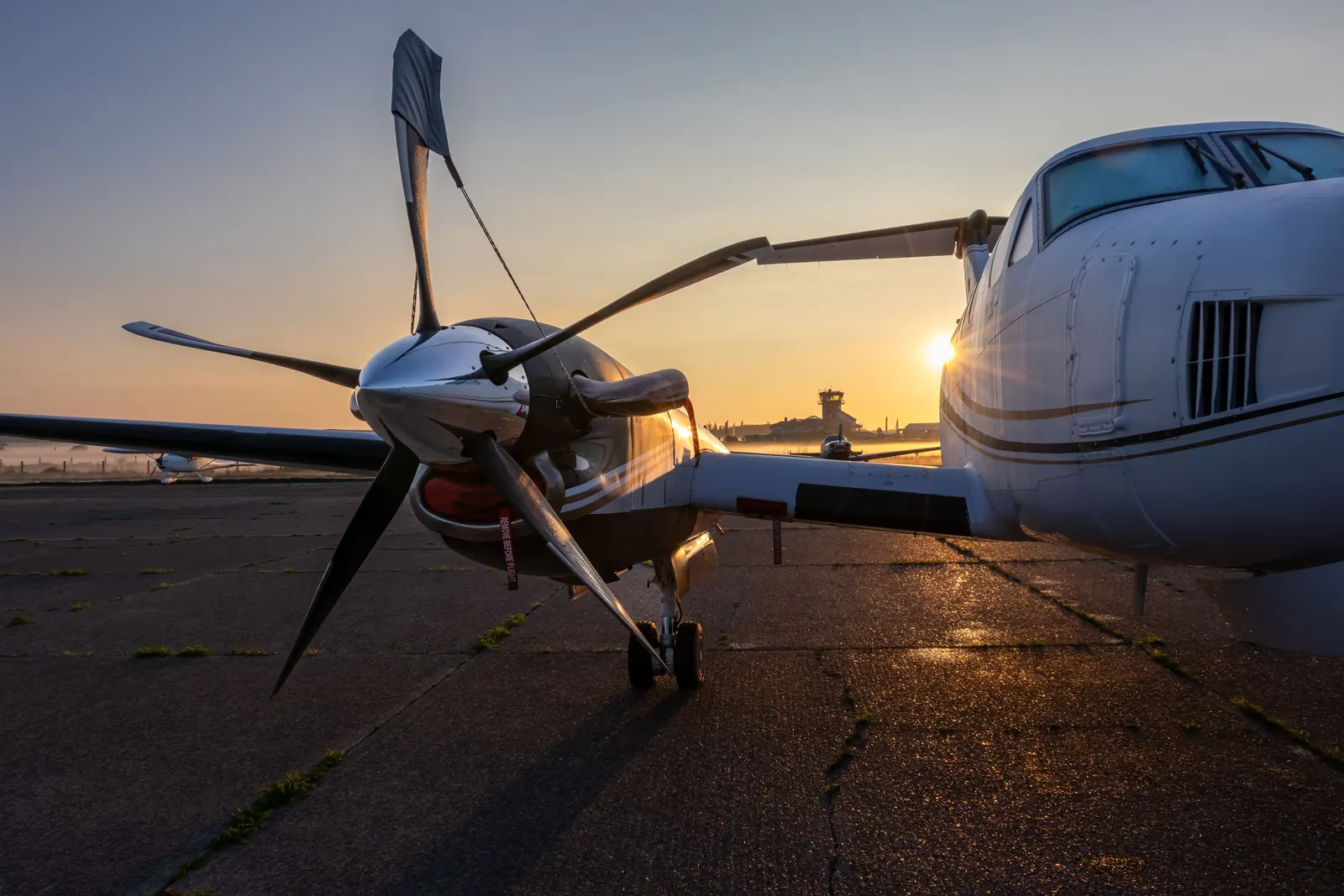 Ownership · 7 min readHow often should a private jet be detailed?There is no single interval. A private jet's cabin should be reset after every trip with passengers, while full interior and exterior details are scheduled by utilisation, storage and season. Charter aircraft and those parked outdoors need the shortest intervals; hangared, owner-flown aircraft can go longer. Winter deicing and summer insects shorten every interval.
 Exterior · 7 min readAviation ceramic sealant explainedAn aviation ceramic sealant is a thin, hard, silica-based layer bonded to clean aircraft paint, making it slicker and more water-repellent. Soot, bugs and grime release more easily, and it adds some UV and chemical resistance. It will not stop chips or erosion, and its life depends on exposure, washing and hours flown.

Private consultation
Exceptional care begins here.
A short, confidential conversation about your aircraft, your operation and your ground windows. A written scope follows, never a price list.