The short answer
A full private jet cabin detail works top to bottom and back to front: protecting the cabin, removing loose items and waste, cleaning headliners and sidewalls, then veneers, leather, windows, galley, lavatory and cockpit, and finishing with carpet. Each material gets a suitable product, nothing is saturated, and it ends with a crew or owner walkthrough.
Key takeaways
- A full cabin detail is far deeper than a turnaround and usually needs planned ground time.
- The order matters: top to bottom, back to front, carpets last.
- Every material, from leather and veneer to acrylic and headliner fabric, has its own product and method.
- Personal items and documents are left in place; nothing is removed from the aircraft.
- A walkthrough at the end is how issues are caught before the detailer leaves.
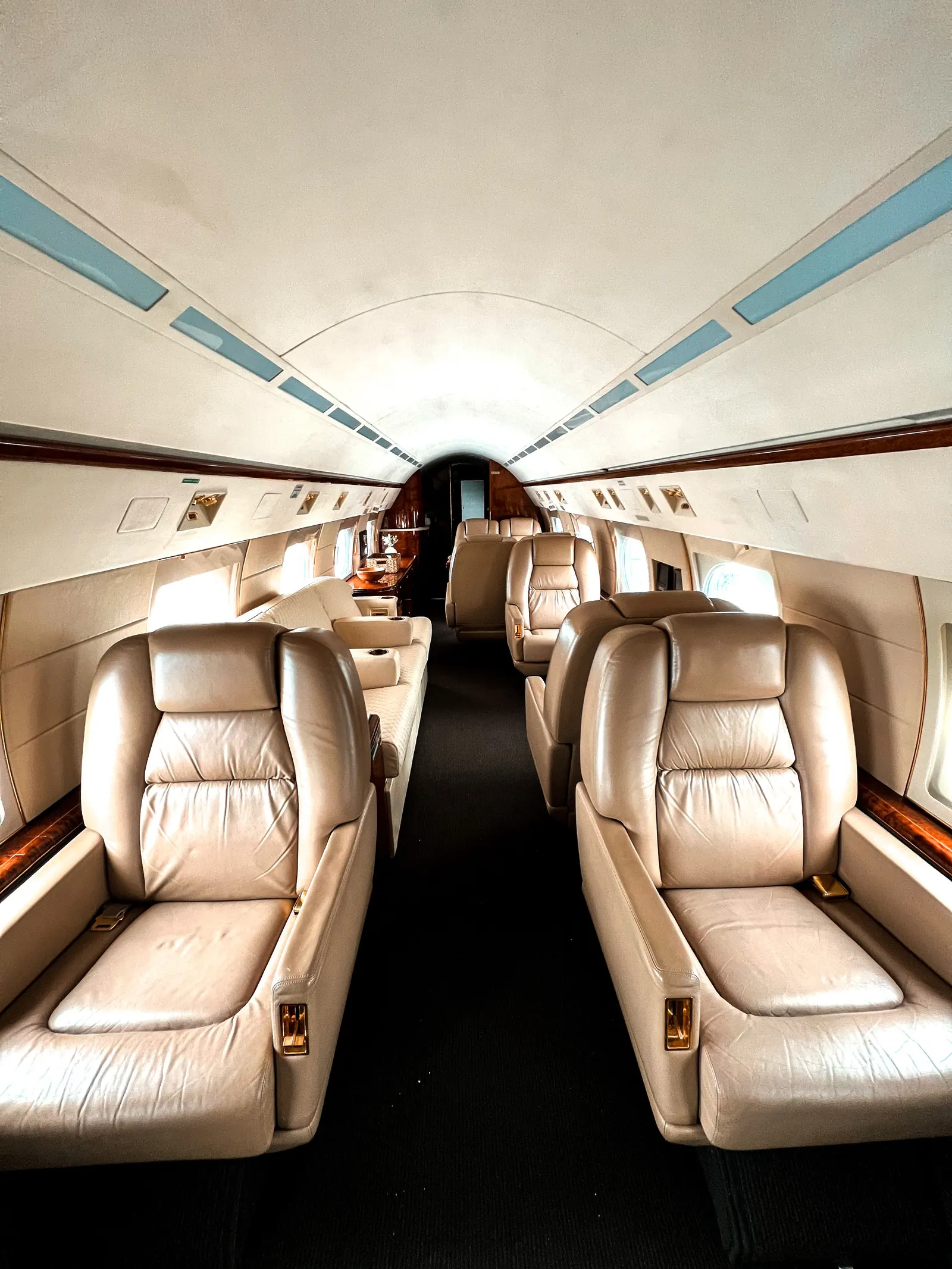
A full cabin detail is the deep counterpart to a turnaround. Where a turnaround resets an aircraft between trips, a full detail addresses every surface in the cabin, including the ones passengers do not notice until they are dirty: seat tracks, window reveals, cabinet interiors, the lavatory floor edges. Knowing what to expect helps owners and crews plan the ground time and judge the result.
Before work begins
Scope and assessment
A professional detail starts with an agreed, written scope. The detailer should have assessed the cabin, noted its materials, such as leather type, veneer finish, carpet and headliner, and recorded any existing damage. Areas outside scope, such as anything requiring panel removal or interior repairs, are identified at this stage.
Crew briefing
The crew or owner confirms what may be touched, which personal items are aboard, whether the aircraft will be powered, and any preferences for presentation. Documents, devices and personal belongings stay where they are unless the owner asks otherwise.
Protection
The entry, airstair and carpets are protected before equipment comes aboard. Equipment is staged outside or on protected flooring, and the technician brings only what the current zone needs.
The order of work
The sequence follows two principles: top to bottom, so dust and drips fall onto areas not yet cleaned, and back to front, so the technician leaves through finished space only once. Carpets are always last.
1. Waste and loose items
All waste is removed from the cabin, galley, lavatory and seat pockets. Loose soft goods are set aside for cleaning or replacement according to the operator's standard.
2. Headliner and upper sidewalls
Headliner fabrics and upper panels are vacuumed with a soft brush and spot cleaned with minimal moisture. Headliners are particularly sensitive to over-wetting, which can loosen adhesive and leave tide marks. Air outlets, reading lights and passenger service units are dusted and wiped.
3. Windows and reveals
Cabin window reveals, shades and acrylic inner panes are cleaned with products suited to aviation plastics and fresh microfibre. Electrochromic or mechanical shades are cleaned according to their design, without forcing mechanisms.
4. Veneers and cabinetry
Wood veneers usually carry a high-gloss lacquer that marks easily and reacts to heat and solvents. They are cleaned with a mild, non-abrasive product and buffed to remove fingerprints and haze. Cabinet doors, drawer fronts and, where in scope, interiors are wiped. Plated hardware is cleaned with care to avoid scratching.
5. Seats
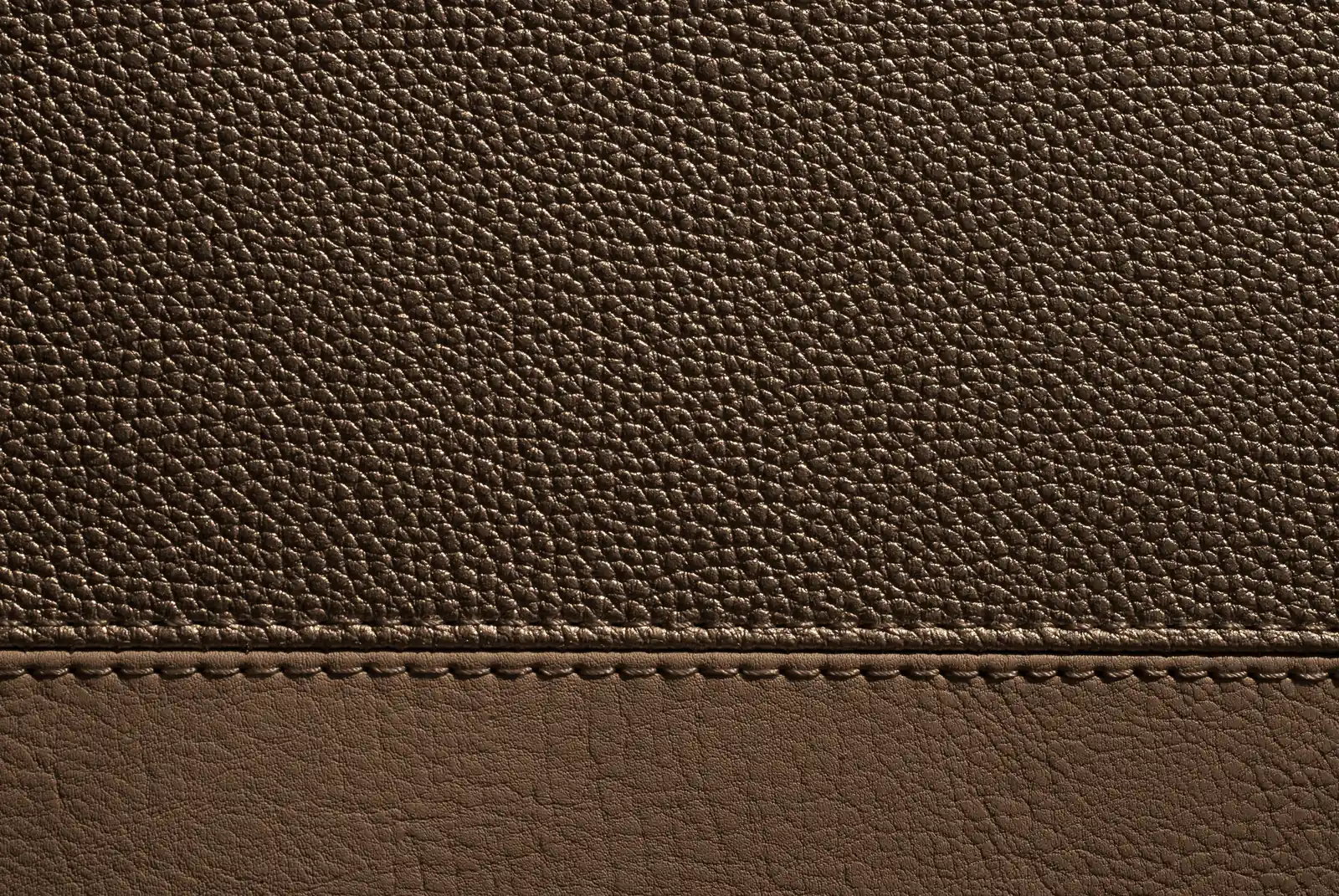
Leather seats are vacuumed in their seams, cleaned with a pH-neutral leather cleaner and conditioned lightly once dry. Fabric seats are vacuumed and spot treated with minimal moisture. Seat tracks and the gaps around seat bases are vacuumed, which is where crumbs and small items collect. Seat mechanisms are not disassembled.
6. Tables, ledges and touch points
Tables, side ledges, cupholders, switches and control panels are cleaned and, where appropriate, sanitised with products safe for each surface.
7. Galley
Counters, drawers, handles and appliance exteriors are cleaned and sanitised. Ovens, coffee makers and similar appliances are cleaned on the surfaces that are accessible without disassembly. Food-contact surfaces receive particular attention.
8. Lavatory
The lavatory is cleaned and sanitised top to bottom: mirror, cabinetry, basin and taps, toilet and surround, walls, door and handles, and floor, including edges where moisture collects. Waste servicing remains with the FBO line team.
9. Cockpit
If in scope and permitted by the crew, the cockpit is cleaned with non-solvent products: displays with an approved cleaner on microfibre, switch panels with soft brushes, and placards wiped gently. Nothing is switched or moved.
10. Carpets
Carpets are vacuumed thoroughly, including edges and under seats where accessible, then spot treated or extracted as scoped. Extraction uses controlled moisture, and carpets are dried fully before the aircraft is handed back.
Moisture discipline
Aircraft cabins do not dry the way rooms do. Moisture left in carpet, seat foam or headliner can lead to odour and staining and can affect adhesives. A careful detailer uses as little liquid as possible, applies it to the cloth rather than the surface, and confirms surfaces are dry before closing the aircraft.
Materials and how each is treated
| Material | Typical approach | Main risk |
|---|---|---|
| Finished leather | pH-neutral cleaner, light conditioner | Tacky residue or stripped finish from the wrong product |
| Aniline or semi-aniline leather | Minimal moisture, specialist products | Staining and darkening from liquid |
| High-gloss veneer | Mild, non-abrasive cleaner and soft microfibre | Hazing, scratches and heat or solvent damage |
| Headliner fabric | Soft vacuuming, dry or minimal-moisture spot cleaning | Tide marks and loosened adhesive |
| Acrylic windows and reveals | Aviation plastic cleaner, clean microfibre | Scratches and crazing |
| Carpet | Thorough vacuum, controlled extraction | Over-wetting and slow drying |
| Plated hardware | Gentle cleaner, soft cloth | Scratching and wear to plating |
How owners and crews can prepare
- Remove or secure valuables, documents and devices, even though they would be left untouched.
- Tell the detailer about any known stains, spills or damage and when they happened.
- Share any presentation preferences, such as how soft goods are folded or where amenities sit.
- Confirm whether the aircraft will be powered and whether lighting is available.
- Allow enough ground time for the scope, including drying time if carpets are extracted.
The more the detailer knows before arriving, the less time is spent asking questions on the day and the more consistent the result.
Odour and air quality
A cabin that looks clean but smells stale has not been detailed properly. Odours usually come from a small number of sources: the lavatory, galley waste, food spills that reached under seats or into carpet, damp carpet or runners, and soft goods stored in closed cabinets. A full detail addresses each source rather than masking it. Fragrance products are best avoided unless the owner specifically requests one, because many passengers dislike scent in a closed cabin and some products leave residue on surfaces.
Where an odour persists after cleaning, it is worth checking with the crew whether it might come from a system rather than a surface. Odours linked to air conditioning, bleed air or fluids are maintenance matters and should be reported, not covered up.
Handover
The detail ends with a walkthrough. The crew or owner sees the result, raises anything missed while the detailer is still there, and receives any observations, such as wear that needs an interior shop, a lifted placard or a stained area that did not respond to treatment. Equipment is removed, protection is lifted and the entry is left clean.
How long it takes
A full cabin detail takes considerably longer than a turnaround, and the time depends on the cabin size, condition and scope. A light jet cabin is a much smaller job than a large-cabin aircraft with multiple zones, a full galley and a crew rest area. For larger aircraft, the detail may be planned over more than one session or scheduled around an inspection.
| Turnaround | Full cabin detail | |
|---|---|---|
| Purpose | Reset between trips | Restore every surface |
| Depth | Visible and high-touch surfaces | All surfaces, including seat tracks, reveals and cabinetry |
| Leather | Touch-up | Full clean and condition |
| Carpet | Vacuum and spot clean | Thorough vacuum and extraction as scoped |
| Timing | Inside the ground window | Planned ground time |
At Noctavius Aviation, every cabin detail follows a written scope by zone and ends with a walkthrough alongside the crew or owner before we leave the hangar.
Related services
Where we do this work