

CYTZ, Toronto Island
Aircraft detailing at Billy Bishop,across the water from downtown.
An island airfield with no jets, a small apron and a curfew. Detailing here is planned around the ferry, the FBO and the hours the field is open.
Aircraft detailing at Billy Bishop
Noctavius Aviation details turboprop and piston aircraft at Billy Bishop Toronto City Airport (CYTZ) on the Toronto Island, by arrangement with Porter FBO and the aircraft’s operator. Equipment crosses by the airport ferry, work is fitted to the small apron and the airport’s operating hours, and dry wash methods avoid runoff. All work is cosmetic.
Billy Bishop (Toronto Island)
The localpicture.
Billy Bishop sits on the western end of the Toronto Island, across a narrow channel from the mainland and minutes from downtown. Passengers reach it by a pedestrian tunnel under the Western Gap or by a very short ferry crossing, and vehicles cross on the ferry. For a detailer that matters: equipment has to travel in a form that crosses easily and is handled on foot once on the island, and there is no driving a wash rig up to the aircraft. Our dry wash method suits this well, because it needs no water supply on the ramp and leaves no runoff into the harbour.
The field does not accept jet aircraft, so private traffic at Billy Bishop is turboprop, piston and helicopter. Porter Airlines is based at the airport and accounts for most of its scheduled movements, which means the apron is busy with airline operations and space for business aircraft is tight. Private aircraft are handled through Porter FBO. A visit is agreed with the operator and the FBO in advance, so the aircraft is somewhere we can work on safely without obstructing anyone else, and we move when the FBO asks.
Operating hours are the other fixed point. Under the agreement that governs the airport, normal operations stop overnight under a curfew. That limits when aircraft arrive and leave, and it shapes when ramp work is practical. We schedule inside the field’s day, often first thing in the morning before an early departure or in the gap after an aircraft lands, and confirm with the FBO what is permitted around the edges of the day.
Being on the lake changes the dirt. Aircraft here collect a damp film from lake air on windows and leading edges, and gulls and geese around the waterfront leave droppings that are acidic and worth removing quickly before they mark the paint. The passengers, meanwhile, are often principals travelling from downtown offices for a day trip, so the cabin has to be right on a short turn. Acrylic windows get a dedicated product and cloth, never the one used on the fuselage.
Why it matters here
Portable, waterless work for an island field
Everything we bring crosses on the ferry and is carried to the aircraft. Dry wash needs no hose and leaves nothing to drain into the harbour, and a tight, written scope keeps us inside the slot the FBO and the airport’s hours allow.
Airfields
Where we work,by arrangement.
Access is coordinated with your flight department, management company or the FBO for each visit. The aircraft stays where it is.
- Billy Bishop Toronto City Airport (CYTZ)
- Ramp and hangar areas by arrangement with Porter FBO
Services
Available at Billy Bishop.
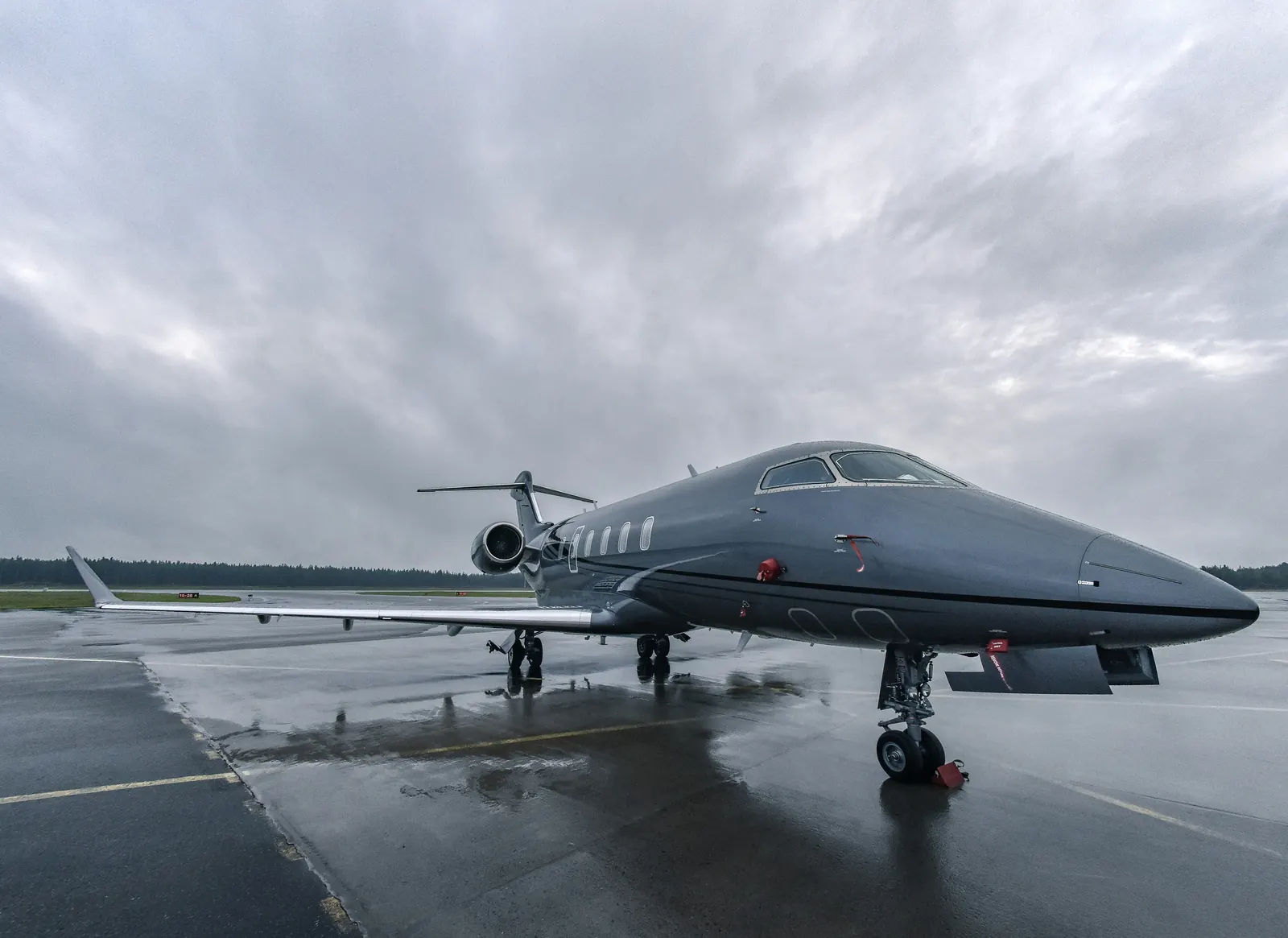 Exterior dry washWaterless exterior cleaning that keeps moisture out of ports, hinge lines and panel seams.
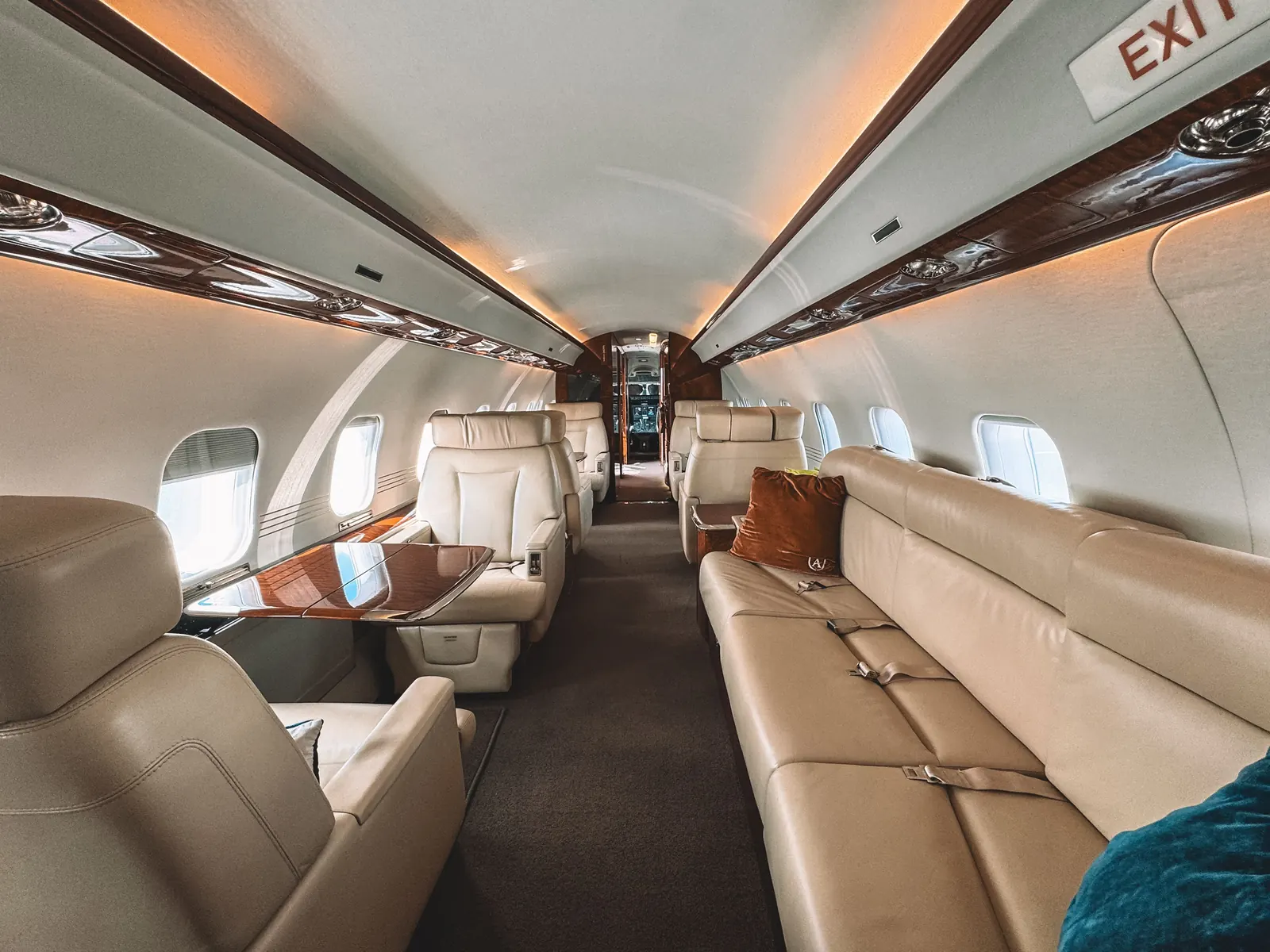 Cabin interior detailingSeating, veneers, carpets, headliners and sidewalls, each cleaned with product matched to the material.
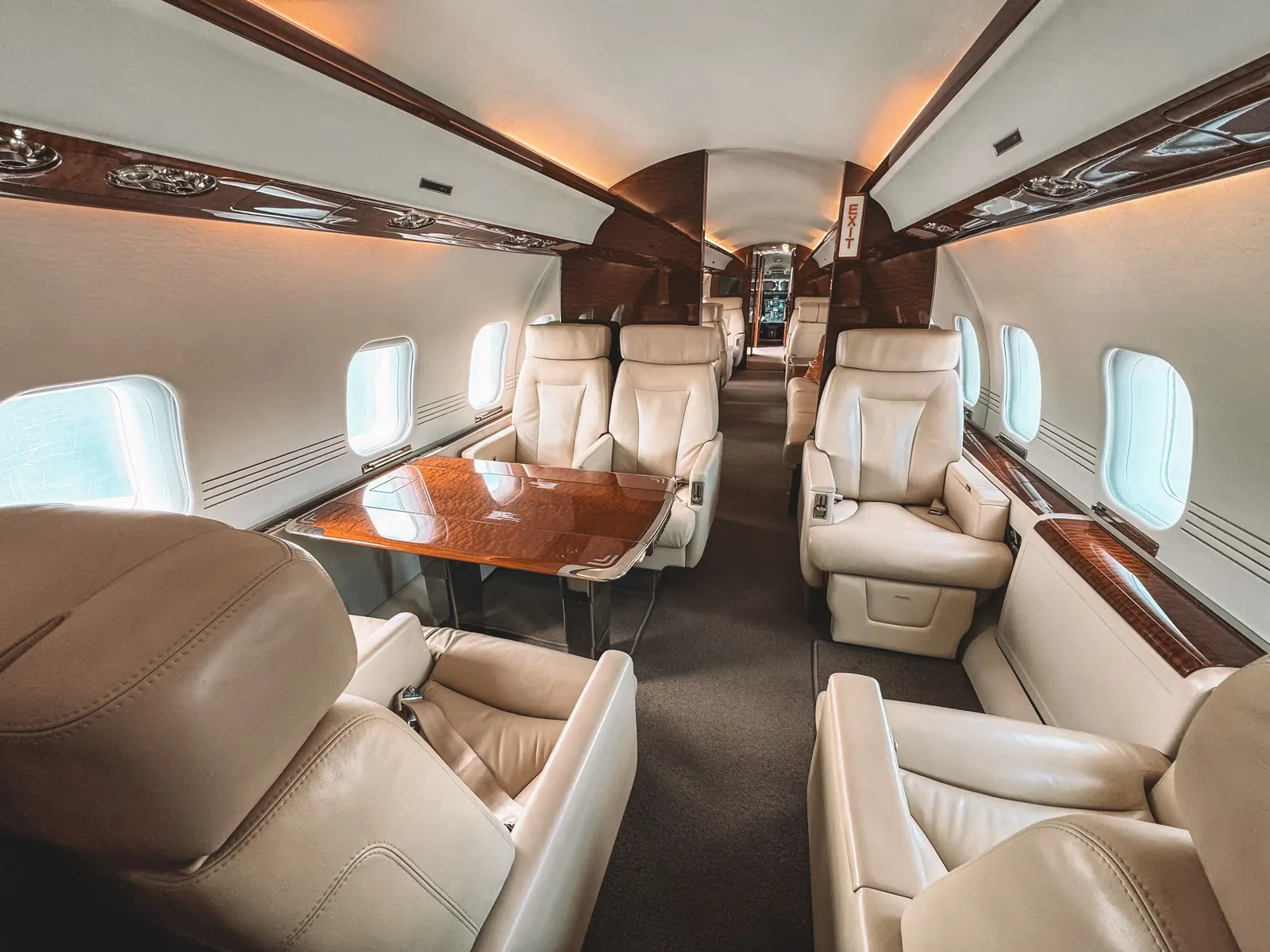 Aircraft leather careCleaning and conditioning for thin, finished aviation hide, without tackiness or premature cracking.
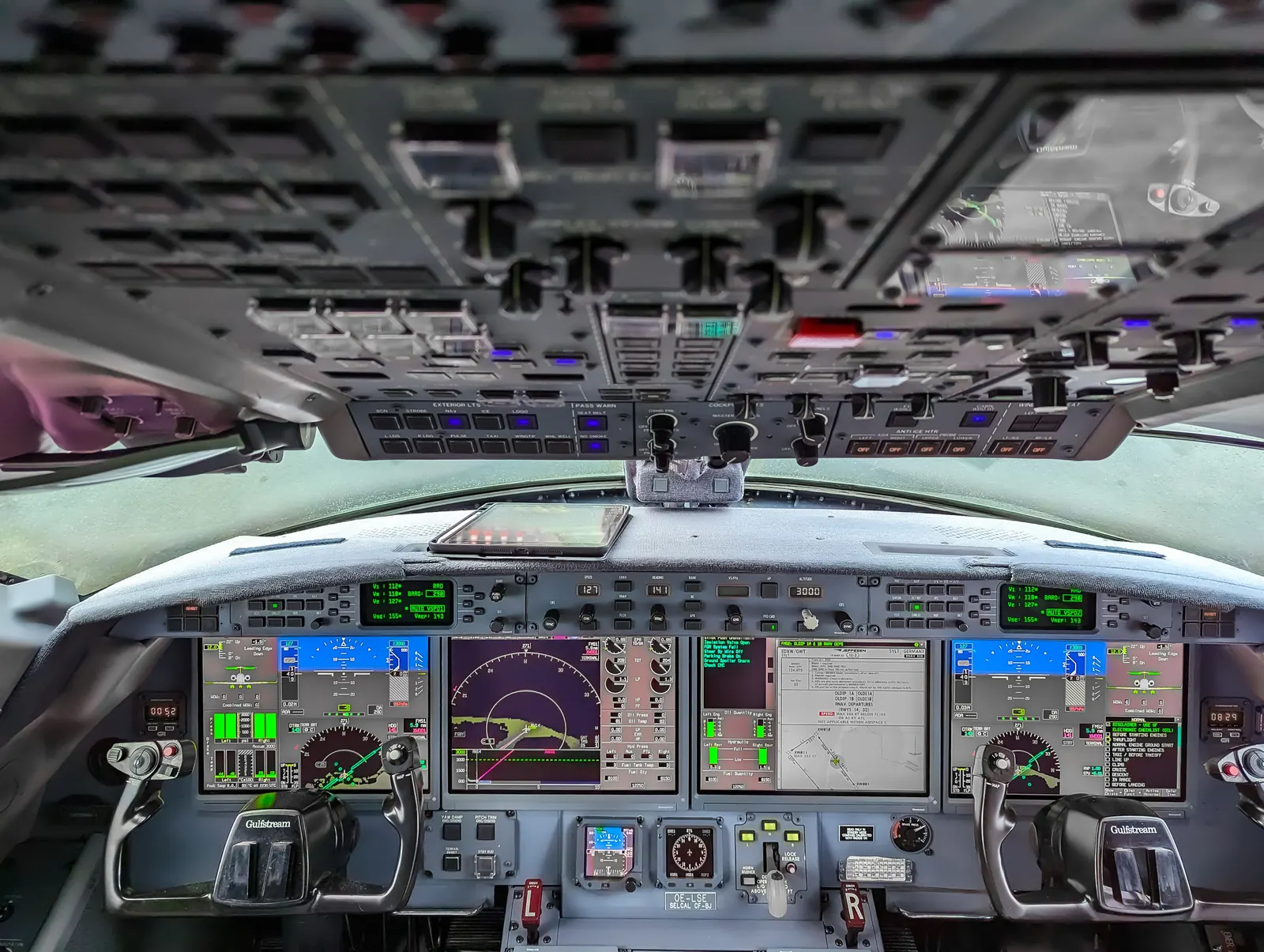 Cockpit and placard careNon-solvent cleaning for flight-deck panels, displays, placards and acrylic, with every switch left as found.
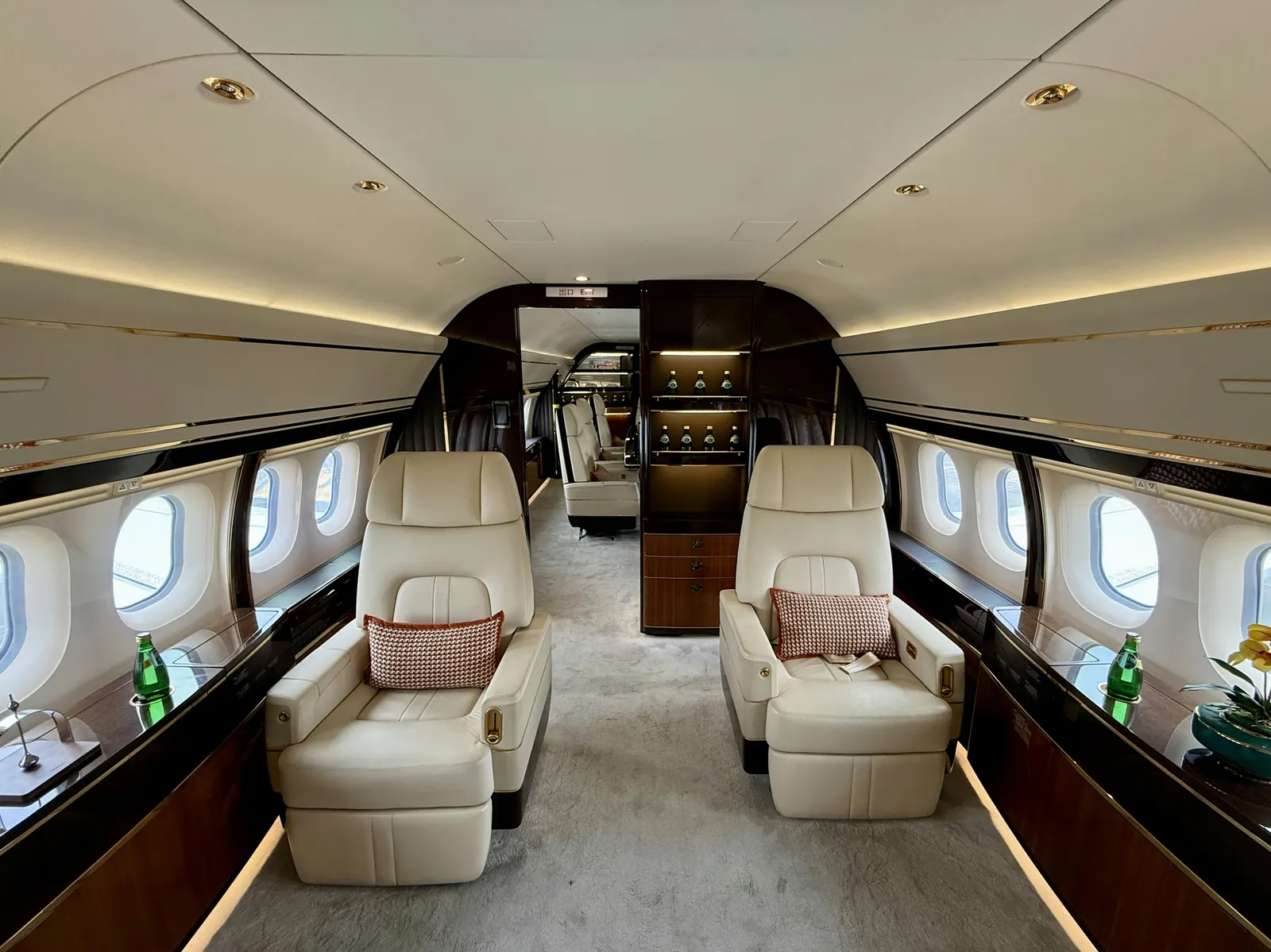 Galley and lavatory sanitationHygiene-level cleaning of galley surfaces, appliances and lavatories, left ready for passengers.
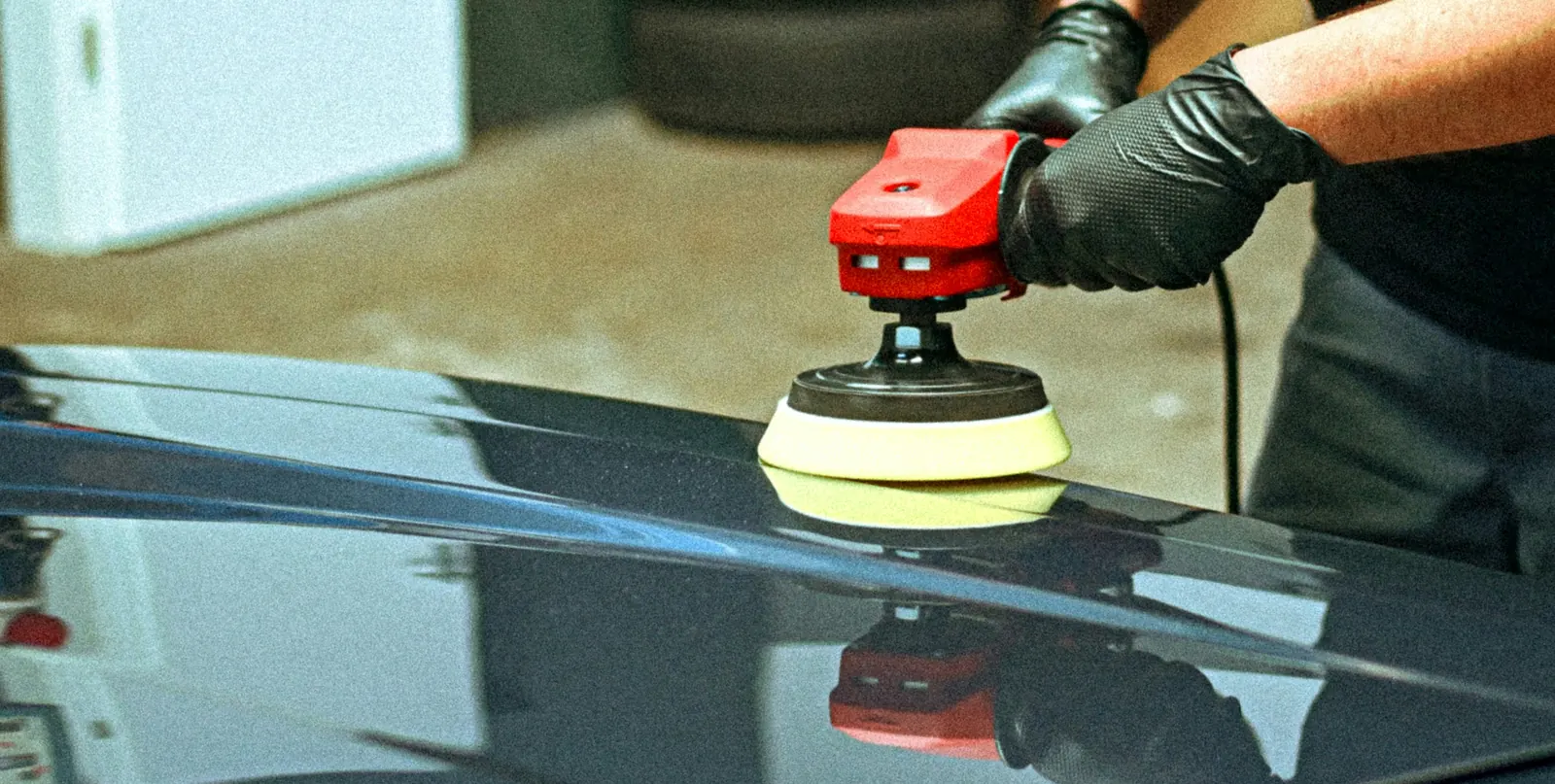 Paint correction and brightworkMeasured machine polishing of aircraft paint and bright metal, only where the coating can spare it.
Questions
Detailing at Billy Bishop.
Do you detail jets at Billy Bishop?
No jets operate there, so the question does not arise. Private aircraft at Billy Bishop are turboprops, piston aircraft and helicopters, and we detail all three by arrangement.
How do you get equipment onto the island?
On the airport ferry, in kit we can carry to the aircraft. That is one reason we use dry wash methods there: no water supply, no wash rig and no runoff into the harbour.
Can you work outside the airport’s operating hours?
The airport has an overnight curfew on normal operations, so we plan inside its day. Whether any work is possible at the margins, for example inside a hangar, is for the FBO and airport to permit; we ask rather than assume.
Who do we contact to arrange access?
Book with us directly or through your operator, and we coordinate the visit with Porter FBO. We follow the FBO’s instructions on where and when we can work on the apron.
Does lake air affect the aircraft?
Yes. Damp lake air leaves a film on windows and leading edges, and bird droppings are common on the waterfront. Both are easier to remove early, before they dry onto acrylic or etch the paint.
Also serving
Across Ontario.
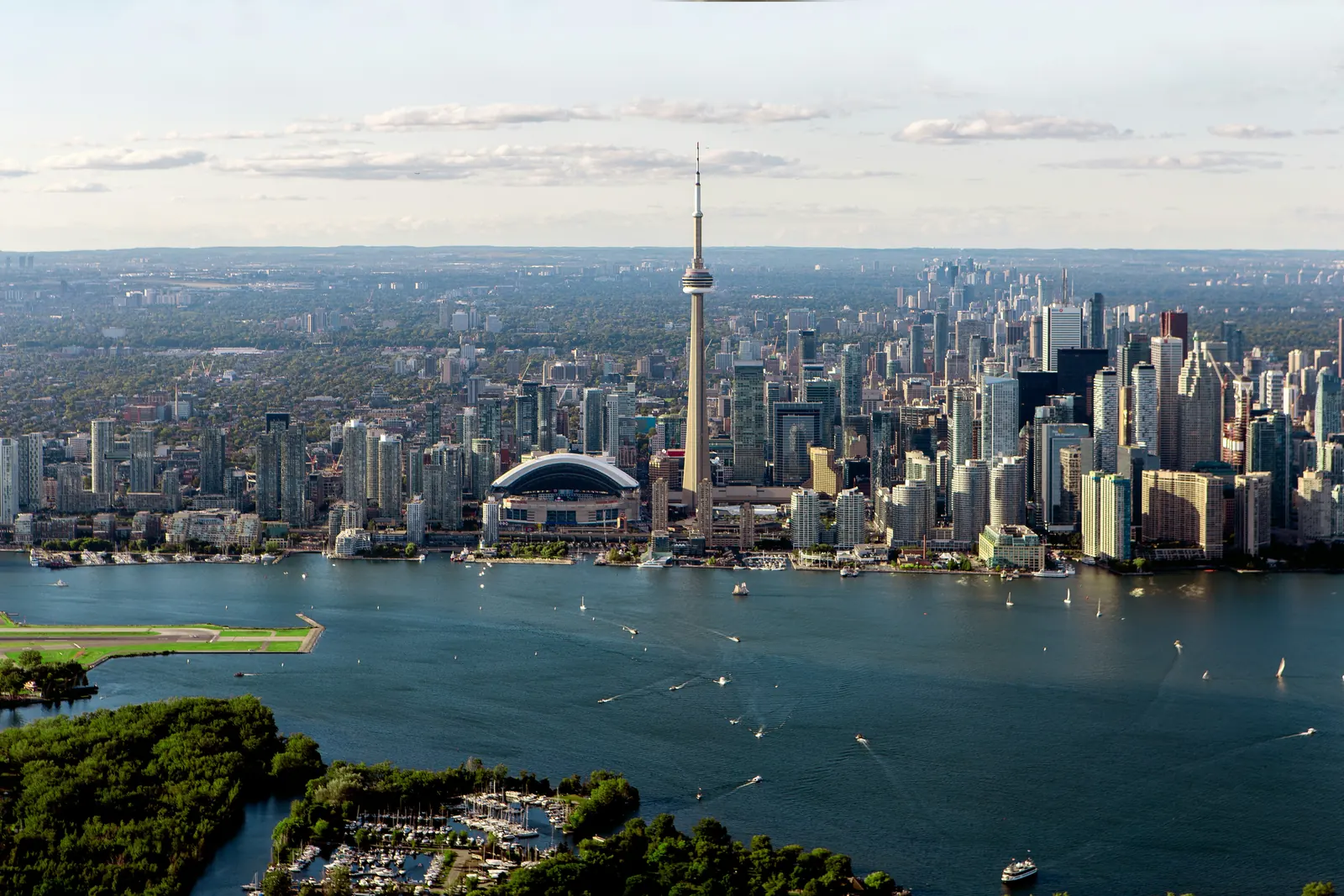 TorontoNoctavius Aviation provides cosmetic detailing for private jets, turboprops and helicopters across Toronto and the GTA, working at FBOs and private hangars by arrangement. Services include exterior dry wash, cabin and leather care, galley and lavatory sanitation and pre-charter turnarounds. Every scope is quoted in writing, and the aircraft is never repositioned.
 Toronto Pearson & MississaugaNoctavius Aviation details private jets, turboprops and helicopters at Toronto Pearson International Airport (CYYZ) in Mississauga, working through the FBO or operator that handles the aircraft. Airside access follows the GTAA’s restricted-area rules, so each visit is arranged in advance, usually with an escort. Work is cosmetic, quoted in writing, and fitted to the ground window.


Private consultation
Exceptional care begins here.
A short, confidential conversation about your aircraft, your operation and your ground windows. A written scope follows, never a price list.