The short answer
Ontario weather attacks aircraft paint from both ends of the year: summer UV and insects, winter deicing fluid, salt and grit. Protect paint by cleaning off contaminants promptly with aircraft-safe methods, applying a sealant in a heated hangar before winter, renewing protection on a schedule, and hangaring the aircraft where possible.
Key takeaways
- Summer: UV fades and oxidises; insects etch.
- Winter: glycol film and salt build up.
- Seal before winter, in a hangar.
- Prompt cleaning prevents permanent damage.
Aircraft paint is durable, but Ontario's climate swings put it under steady stress.
Summer
Strong UV oxidises and fades paint and dries out seals. Insects on leading edges and the nose are acidic and etch if left. Remove them the same day where possible.
Winter
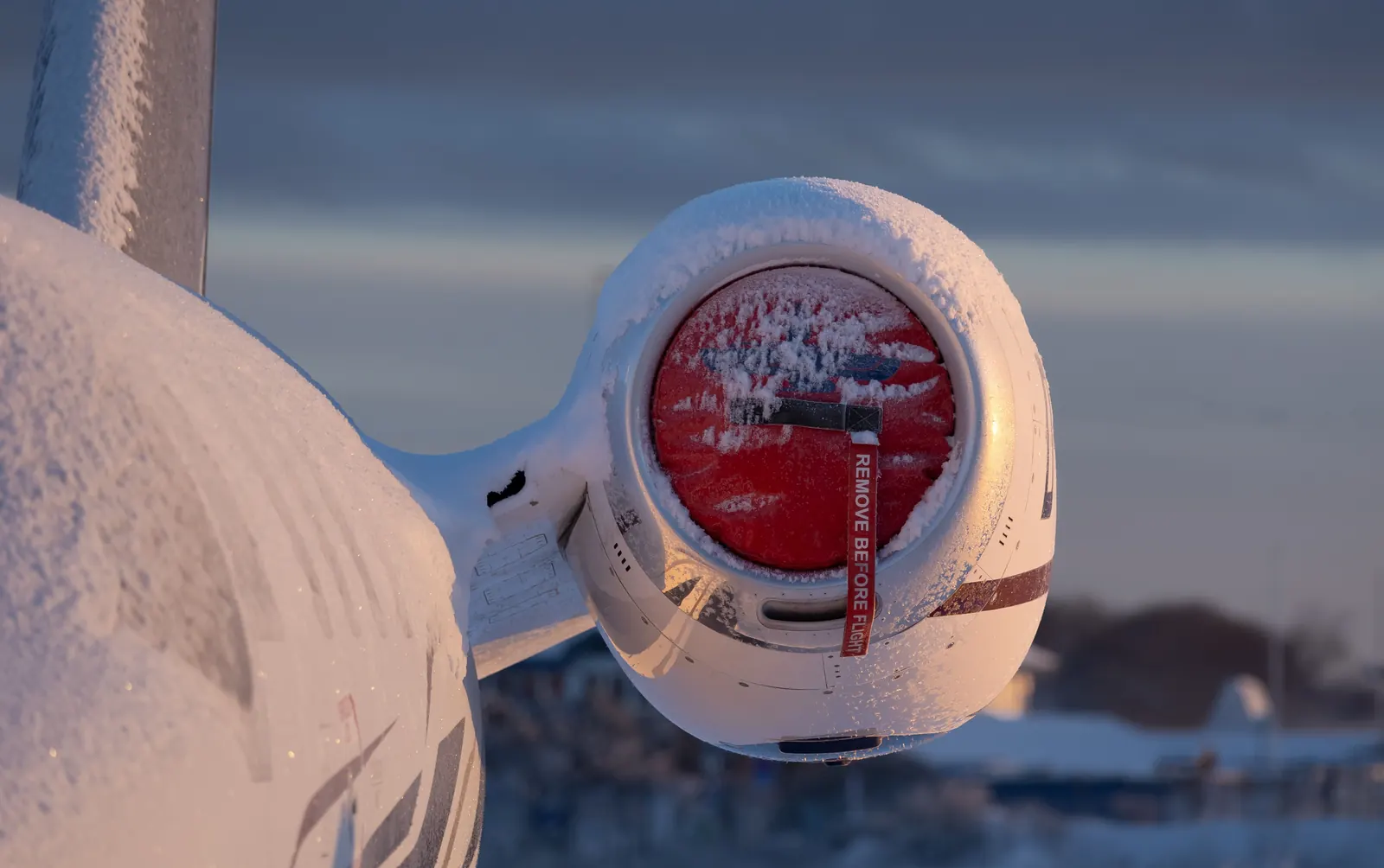
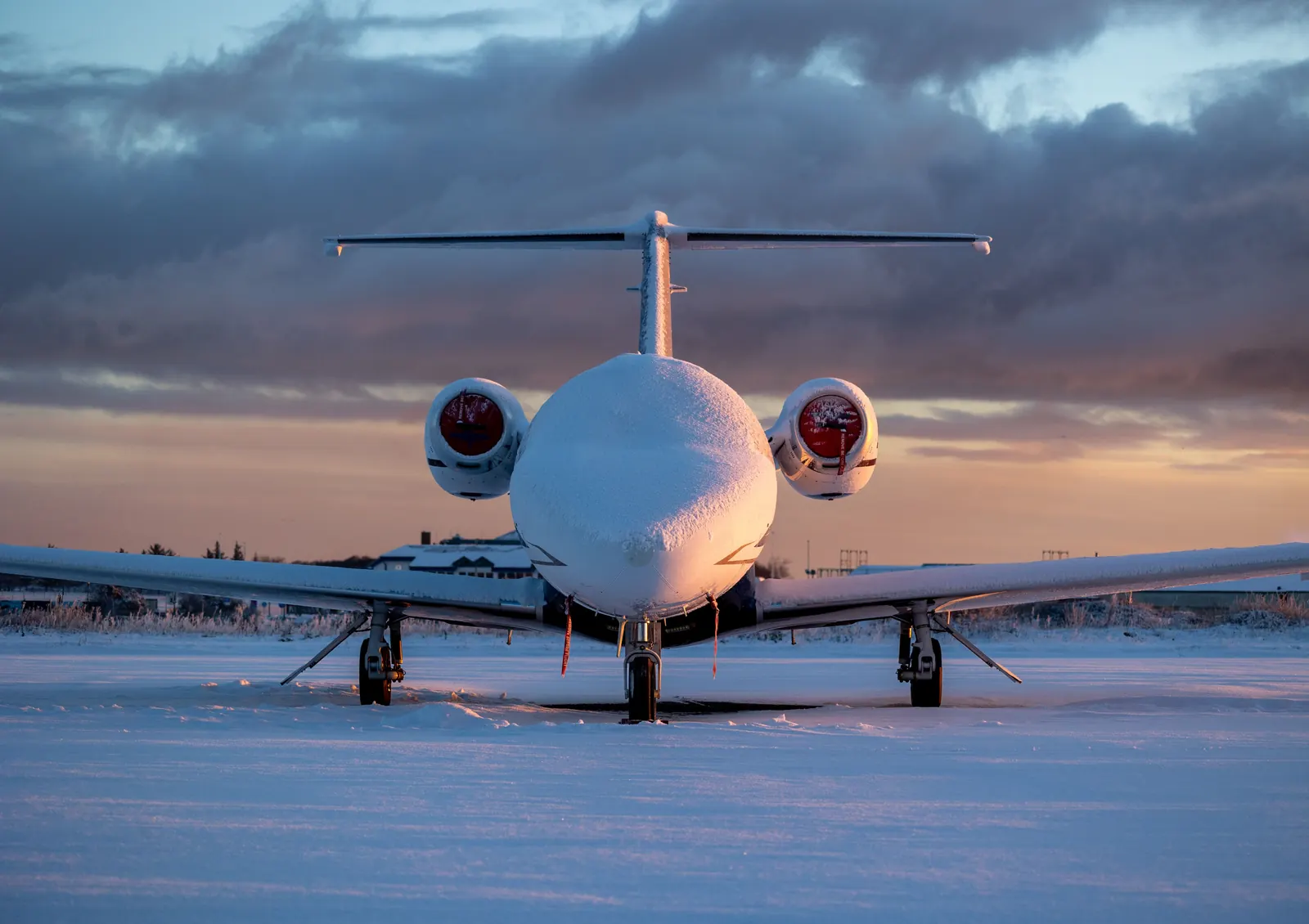
Deicing fluid leaves a sticky film that holds soot and dirt; salt and grit from ramps and vehicles collect on lower surfaces. Cleaning soon after deicing events, in a heated hangar, prevents build-up.
Protection
- Sealant applied in autumn, in a heated hangar, before deicing season
- Gentle, regular cleaning rather than occasional heavy scrubbing
- Hangar storage where possible
- Prompt removal of insects and bird droppings
Paint repair is not detailing
Chips, cracking and failing paint are for a paint shop. A detailer protects sound paint and reports damage.
Where we do this work