The short answer
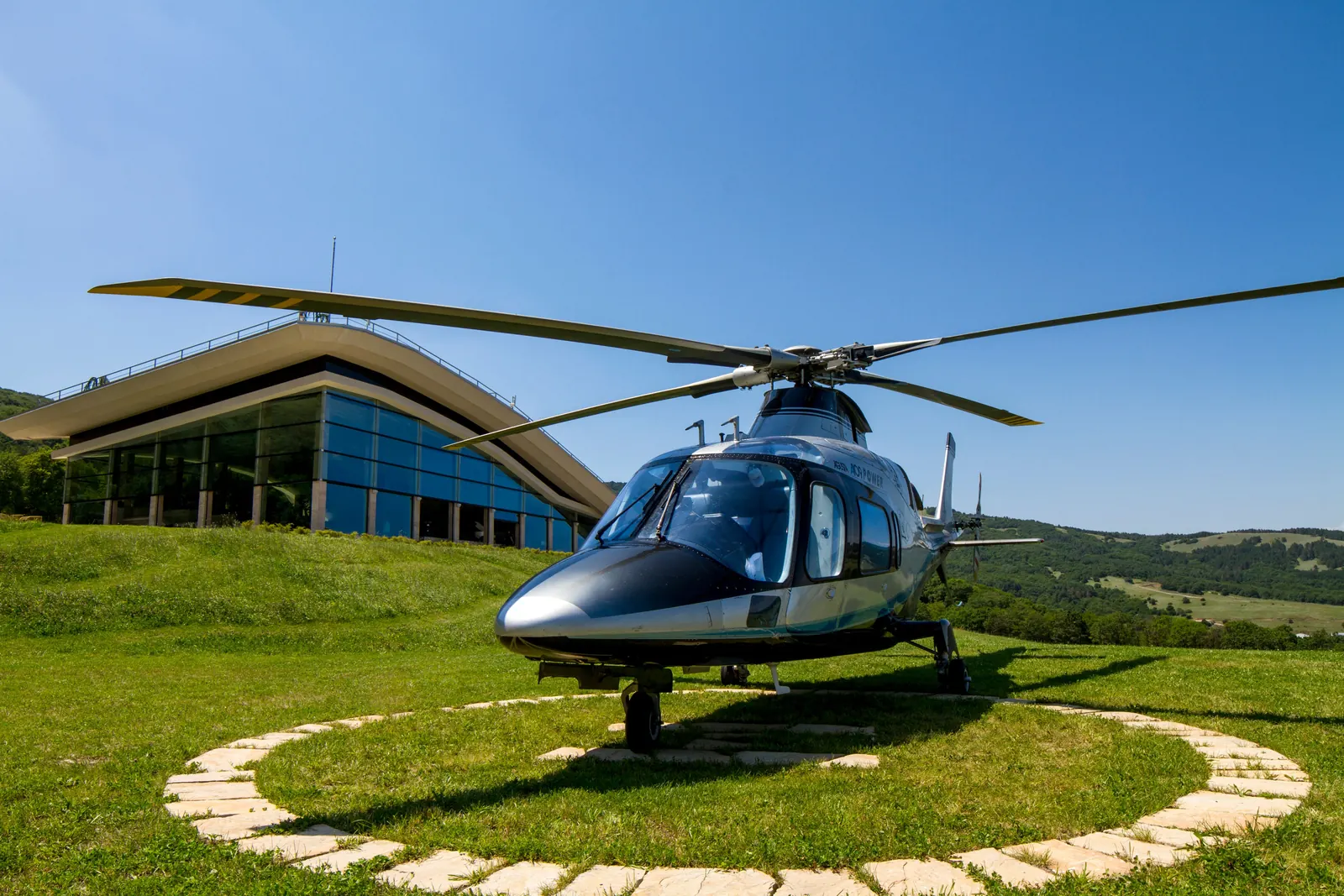
Helicopter detailing differs from fixed-wing detailing in three ways: large acrylic canopies need careful, scratch-free cleaning; exhaust and oil staining on the tail boom and belly need regular removal; and rotor systems are left to the crew and maintenance. Cabins see frequent boarding, so seats, carpets and door areas need extra attention.
Key takeaways
- Canopies are large, curved acrylic: no ammonia, no paper towels.
- Exhaust and oil stain the tail boom.
- Rotor systems are for crews and maintenance.
- Cabin entries see heavy wear.
Executive helicopters fly short, frequent hops, often from pads and private sites, which shapes how they get dirty.
Canopy and windows
The canopy is a large, curved acrylic surface that defines the passenger view. It is cleaned only with acrylic-safe products and fresh microfibre, never pressed hard or wiped dry.
Exhaust and oil
Engine exhaust and small oil traces stain the tail boom and belly. Regular cleaning with paint-safe products prevents permanent marking. Leaks are reported to maintenance.
Rotors and controls
Blades, hubs and controls are maintenance and crew areas. Blades are secured by the crew before any work starts, and nothing is moved without their agreement.
Cabin
- Frequent boarding wears seat edges and carpets
- Door seals and steps collect grit
- Headsets and controls need gentle cleaning
Where we do this work