The short answer
Ramp detailing suits quick, routine work such as turnarounds and exterior dry washes in good weather. Hangar detailing suits longer scopes, cold or wet weather, and work that needs stable conditions, such as ceramic sealant, leather conditioning and paint correction. Many aircraft use both: ramp work between trips, hangar work for deeper details.
Key takeaways
- Ramp: quick, routine, weather-dependent.
- Hangar: longer scopes, stable conditions.
- Sealant and leather care need stable temperatures.
- Hangar rules usually mean low-moisture methods.
Where an aircraft is detailed shapes what can be done in a visit. Neither the ramp nor the hangar is always better; each suits different work.
On the ramp
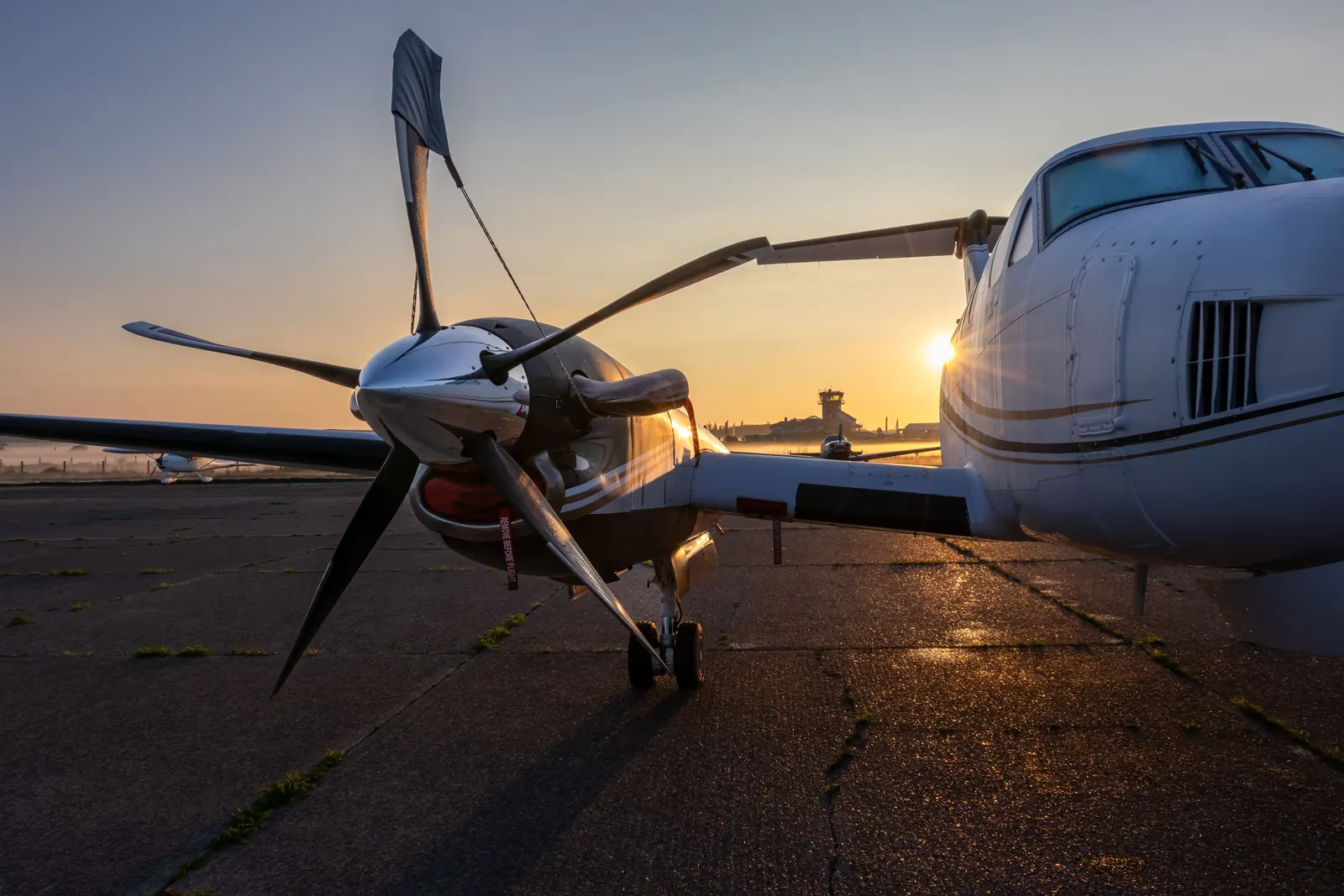
Ramp work is fast and convenient between trips: pre-charter turnarounds, cabin refreshes and exterior dry washes. It depends on weather, daylight and the ground window, and on airport rules for airside work.
In the hangar
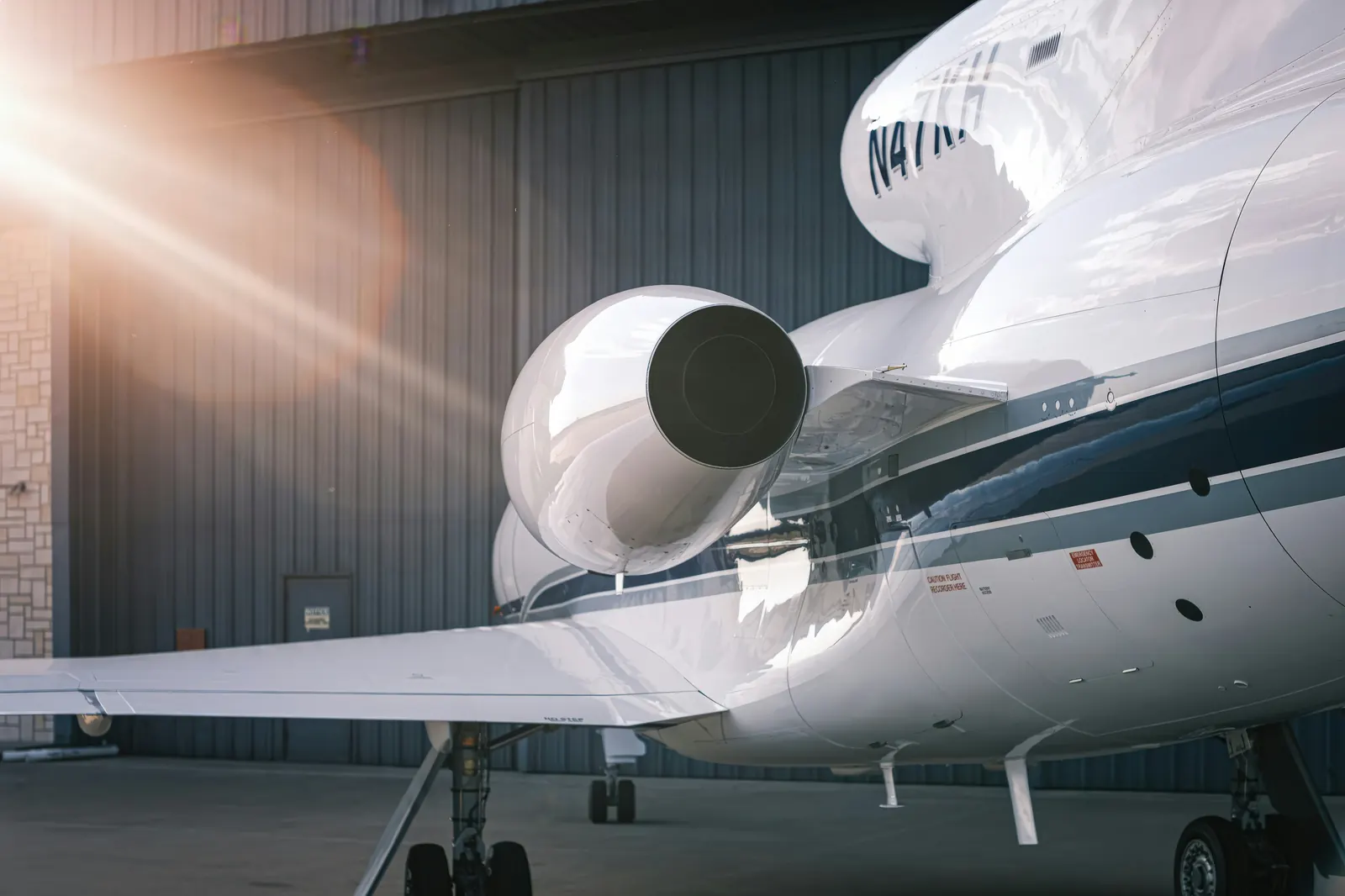
A hangar gives stable temperatures, shelter and time. That makes it the right place for longer scopes and for products that need controlled conditions to work or cure.
| Work | Ramp | Hangar |
|---|---|---|
| Pre-charter turnaround | Ideal | Fine |
| Exterior dry wash | Good in fair weather | Ideal in winter |
| Ceramic sealant | Not recommended | Ideal |
| Leather conditioning | Possible in mild weather | Ideal |
| Paint correction | Not recommended | Ideal |
Hangar etiquette
Shared hangars have rules: low-moisture methods, no water on the floor, equipment kept clear of other aircraft, and the space left exactly as found.
Related services
Where we do this work